
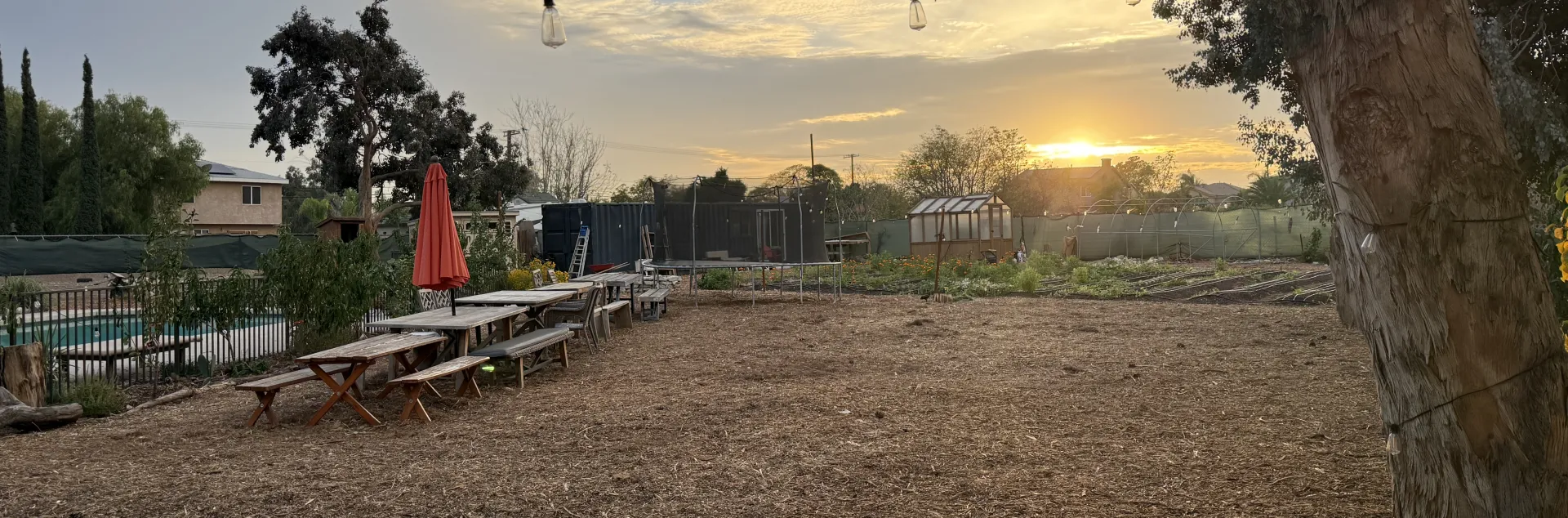

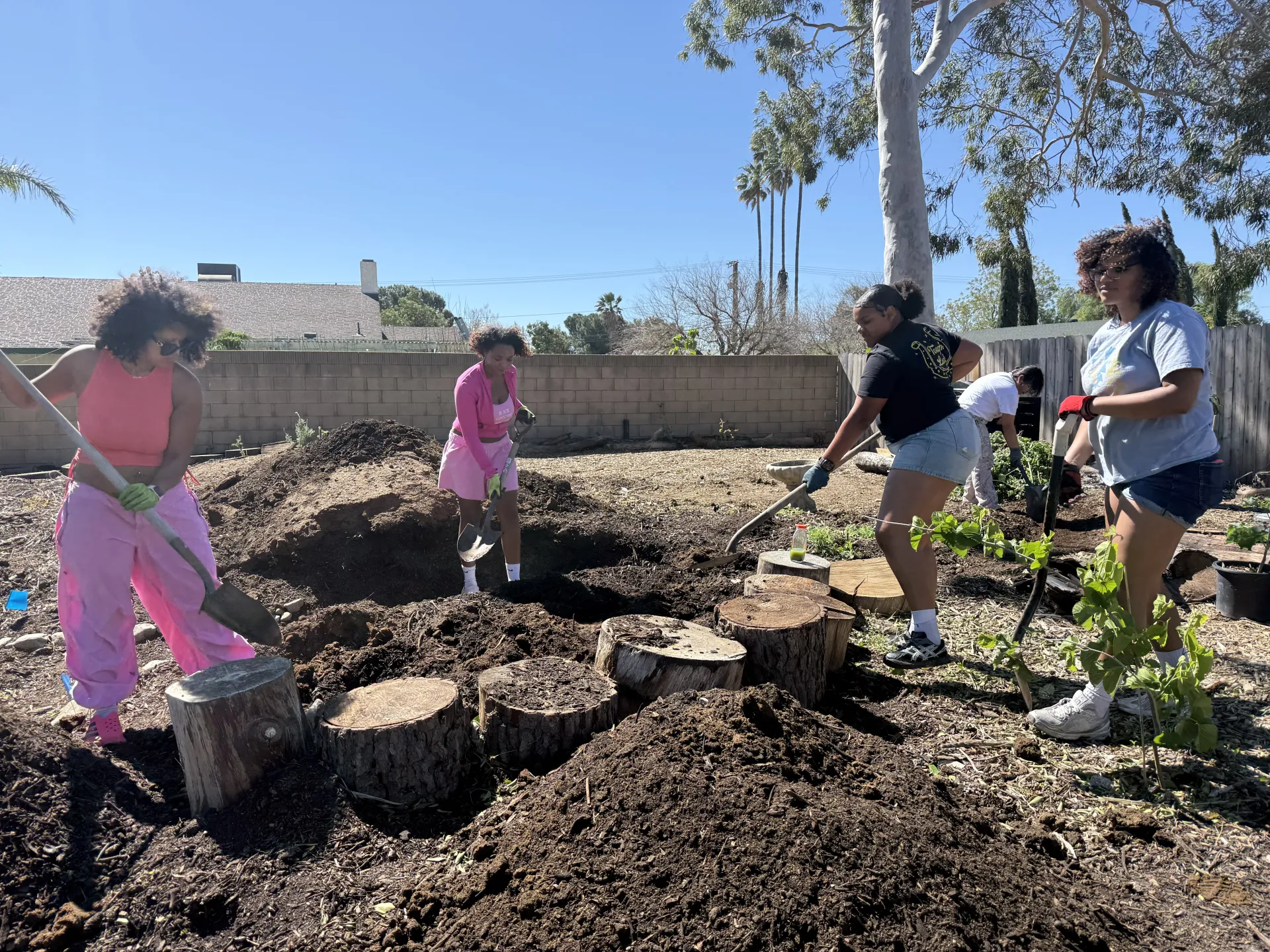
UC ANR scientists, advisors and growers bring agritourism down to earth at workshop held at Alma Backyard Farms in Compton
Before opening a farmstand or turning your ranch into a glamping getaway, Rachael Callahan recommends asking hard questions to determine whether agritourism is right for you. Such as: do you enjoy being around people?
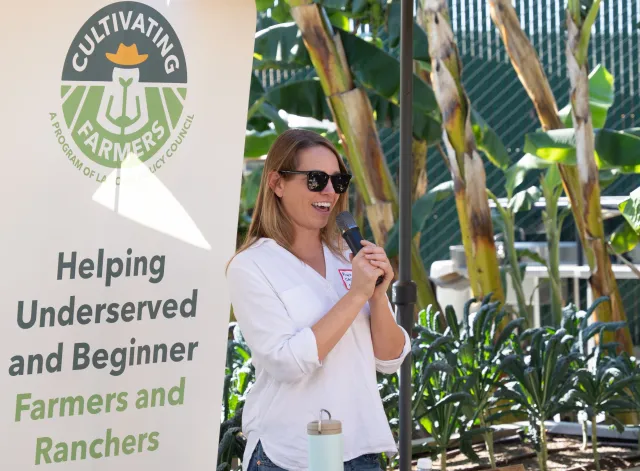
“Start by inviting an afterschool group to come onto your farm…see if they're trampling on things and if that really freaks you out. See if you like chitchatting with folks,” said Callahan, statewide agritourism coordinator for the University of California Sustainable Agriculture Research and Education Program.
As part of UC Agriculture and Natural Resources, Callahan helps people navigate the “wild west” of this burgeoning industry. Over the last decade, she’s watched on-farm experiences, such as tractor rides and pick-your-own strawberries, surge in popularity.
Given all the interest, the UC ANR Climate and Land Equity (CALE) Project hosted a free workshop on the topic at Alma Backyard Farms, an urban farm in Compton, in February.
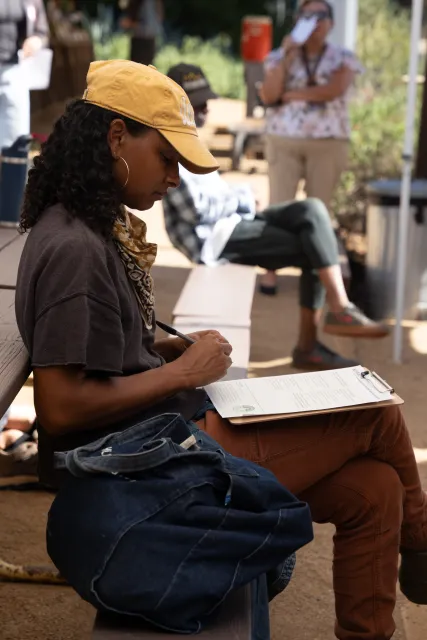
The mission of the CALE network is to increase land equity and climate-smart management practices by supporting smaller-scale and emerging farms. That’s why the workshop, organized alongside the LA Food Policy Council’s Cultivating Farmers program, focused on facilitating agritourism in urban areas.
In any business, rural or urban, long-term profitability isn’t guaranteed. But expert advice can always help. In her introductory presentation, Callahan cut to the chase with the audience.
“Agritourism is not something you should feel compelled to do because it’s trending right now or because someone down the street is doing it,” she said. “Take a hard look at how it fits into your business goals or your mission or values.”
Jessica Handy, a grower from San Bernardino County, listened intently and reflected on her own endeavor. Recently, Handy founded Sandalwood Farm and Sanctuary, a three-quarters of an acre community garden in Rialto. Already, her space has hosted film screenings, natural-dye workshops and yoga classes, and she hopes to continue that momentum.
“I'm building this for community and longevity. I want it to live on beyond me,” Handy said. “ I’m committed to just slowing down and doing strategic planning to make sure this land is truly community-sustained for generations to come."
At the workshop, local growers and UC experts shared structured guidance to help Handy and other attendees get set up for success in agritourism.
What skills do you and your team have?
According to Callahan, anyone considering an agritourism venture should start by taking stock of their team’s capabilities, from people skills to technical know-how. Welcoming the public onto farm property is not for everyone, she cautioned.
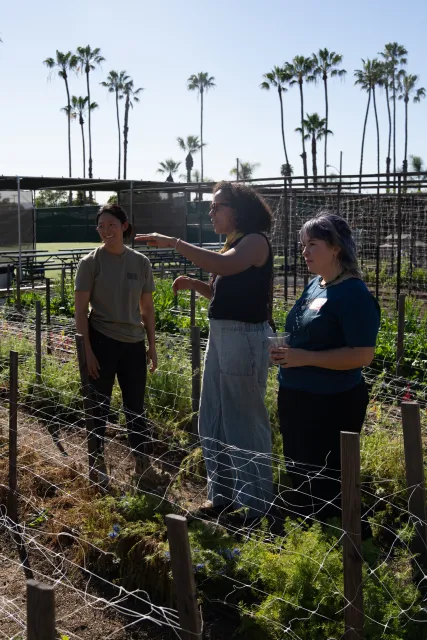
For Handy, though, it’s an obvious choice – Sandalwood Farm revolves around her passion for people. She created the space as a source of “food sovereignty, healing and radical joy.”
One of her top priorities is to host farm-to-table dinners using their hand-built, earthen “cob” pizza oven, which was funded through the LA Food Policy Council’s Cultivating Farmers Grant. For Handy, these gatherings are more than a meal. They’re a connection to the earth through shared local and seasonal foods.
“I love being able to break bread with folks on the land and have local artists and musicians incorporate art and ecology together,” Handy said.
But what about technical skills? Workshop panelist Alexys Romo, founder of Black Thumb Farm in Panorama City, recommends investing in personal relationships to build a diverse network of support.
“Cash in on favors. Like, remember when in 2015 I babysat your child for six hours? I now need legal advice,” Romo said. “Take a minute to assess your resources and the people within your inner web who might be able to assist.”
Hearing from Romo was a workshop highlight for Handy, who looks up to the fellow urban farmer and follows her on social media. As it turns out, Handy has already been following her role model’s advice.
“I don’t know how to woodwork, but there’s a neighbor who’s a woodworker. He’s taught us how to use some power tools and a circular saw,” Handy said. “So we’re building skills together and we’re building the farm as a collective.”
What makes your farm unique?
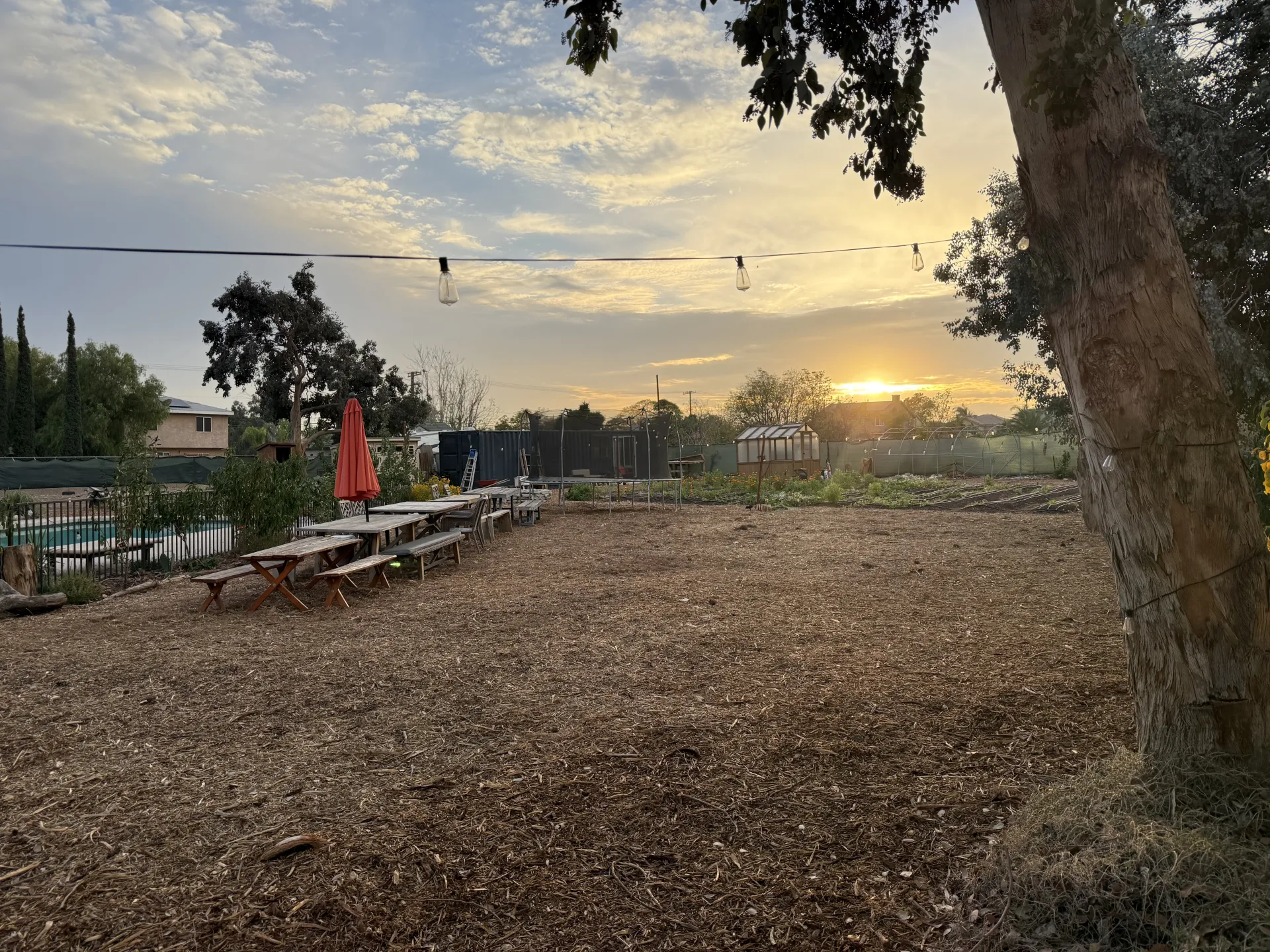
With a team assembled, it’s time to think about the features of your farm or operation. What makes it special? Are there any snags to anticipate?
Handy’s garden is relatively small, but her team has already successfully grown culinary and medicinal herbs, tree collards and several full seasons of annual vegetables, including okra, tomatoes, lettuce and arugula. The harvests are communal, so most produce goes home with volunteers and neighbors. As the farm grows, any food left over could present new opportunities.
UC Cooperative Extension urban agriculture advisor Amrita Mukherjee recommends finding ways to add value to raw crops.
“When growers have a surplus, they can produce shelf-stable products, like jam or jelly,” Mukherjee said. She recommends business owners connect with the UC Master Food Preserver program for support, like preservation demonstrations.
Besides cooking up preserves, Mukherjee encouraged growers to research their community’s needs and connect with grocery stores that might stock locally-grown specialty produce.
Handy’s farm already knows what to do with their surplus harvests: this spring they’re launching a farmstand that lets people pay what they can according to a sliding scale of prices.
Do you have community support?
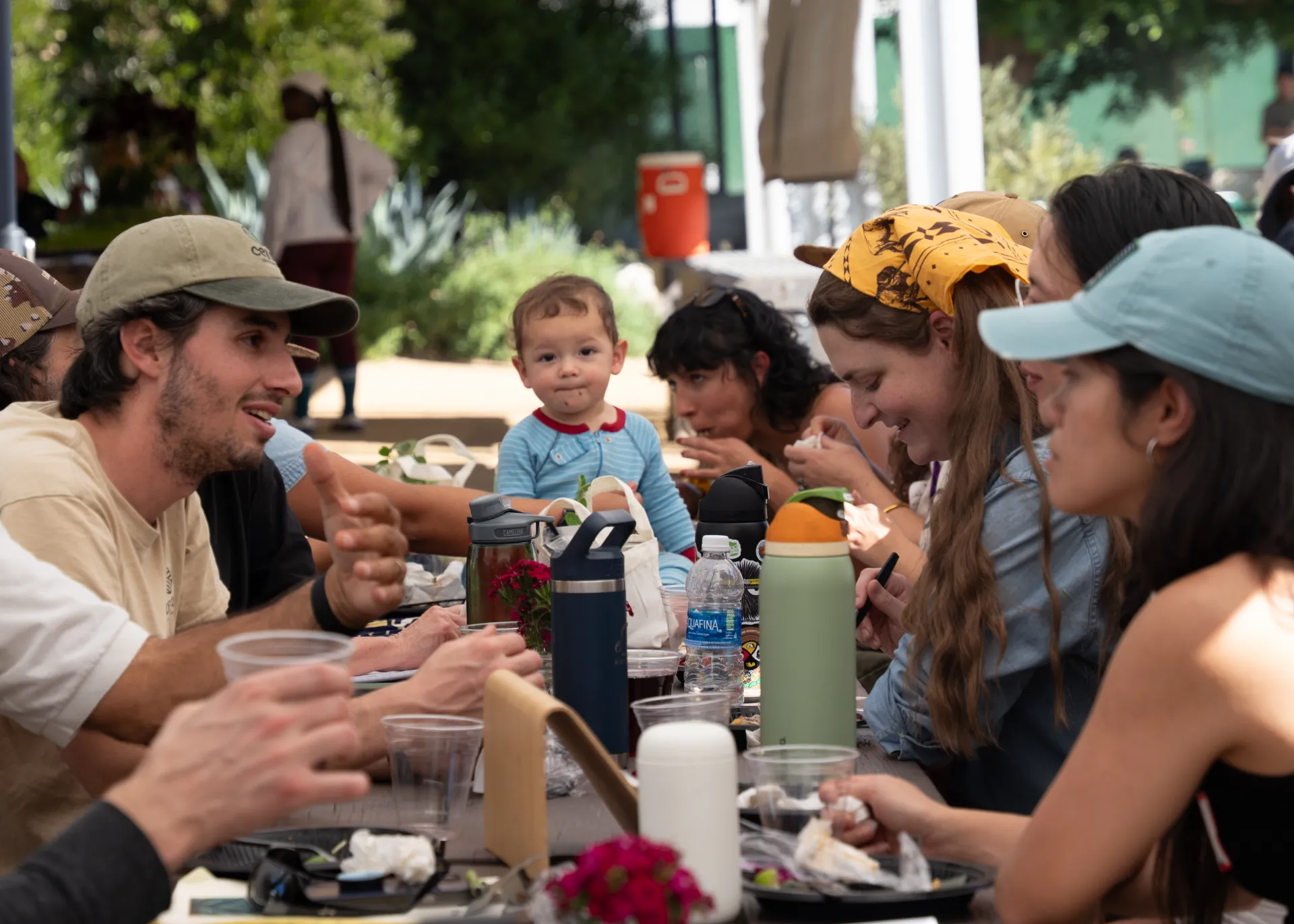
Before moving forward with the logistics of starting an agritourism business, securing community buy-in is necessary, according to Callahan. How will the neighbors feel about a public attraction setting up shop next door?
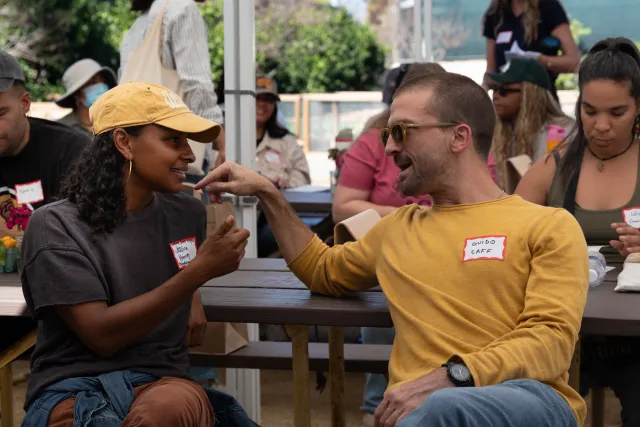
Since establishing Sandalwood Farm last year, Handy has worked hard to introduce herself to the community.
“I’m the new kid on the block. I didn’t grow up in Rialto,” Handy said. “I don’t want to go into a community like, ‘This is how it should be done,’ when that may not be what the community wants or needs.”
The listening process is ongoing, but Handy has already set some goals based on conversations with her neighbors. She wants Sandalwood Farm to create job pathways for the local community, just like the workshop host site Alma Backyard Farms has done for surrounding Compton.
“It’s beautiful to see successful models,” Handy said. “I’m reminded that we can support people and give people living wages to do this work.”
Agritourism expertise on-tap
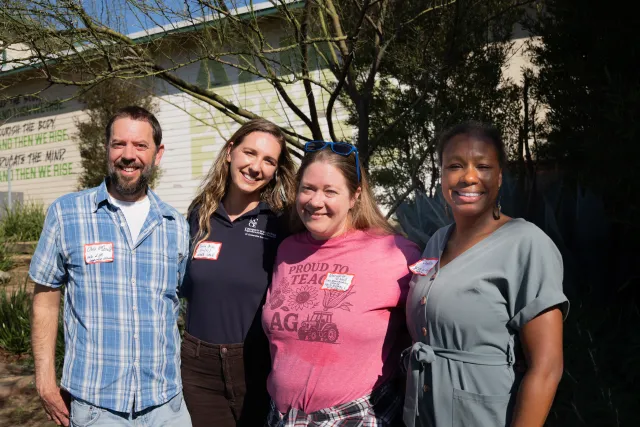
By the end of the workshop, Handy was confident that agritourism could be a good fit for Sandalwood. Even better, Handy’s intentions closely aligned with the other mission-driven guest speakers, opening the door to mentorship and collaboration.
“Being here – I feel full and fed. I’m ready to get back in the game,” Handy said.
The workshop provided a solid introduction to agritourism, but Callahan acknowledged that her presentation only scratched the surface. Inviting the public onto a working farm is tricky business requiring thorough research.
Operators will need to study all applicable laws, zoning and safety regulations, which can vary by region. They may need to make changes to their site to ensure accessibility and safety, and to protect themselves from liability, they’ll need the proper insurance.
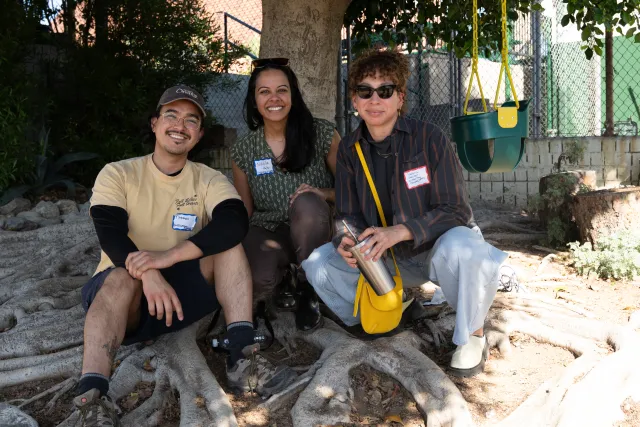
UC Cooperative Extension can help business owners navigate these details, and resources are available on the UC ANR California Agritourism web page.
Prior to the event, Handy wasn’t very familiar with UC ANR, but will now consider the institution among the suite of resources available to support emerging farms, like her own.
“We are still very scrappy…but I feel like it doesn’t have to be scrappy forever,” Handy said.