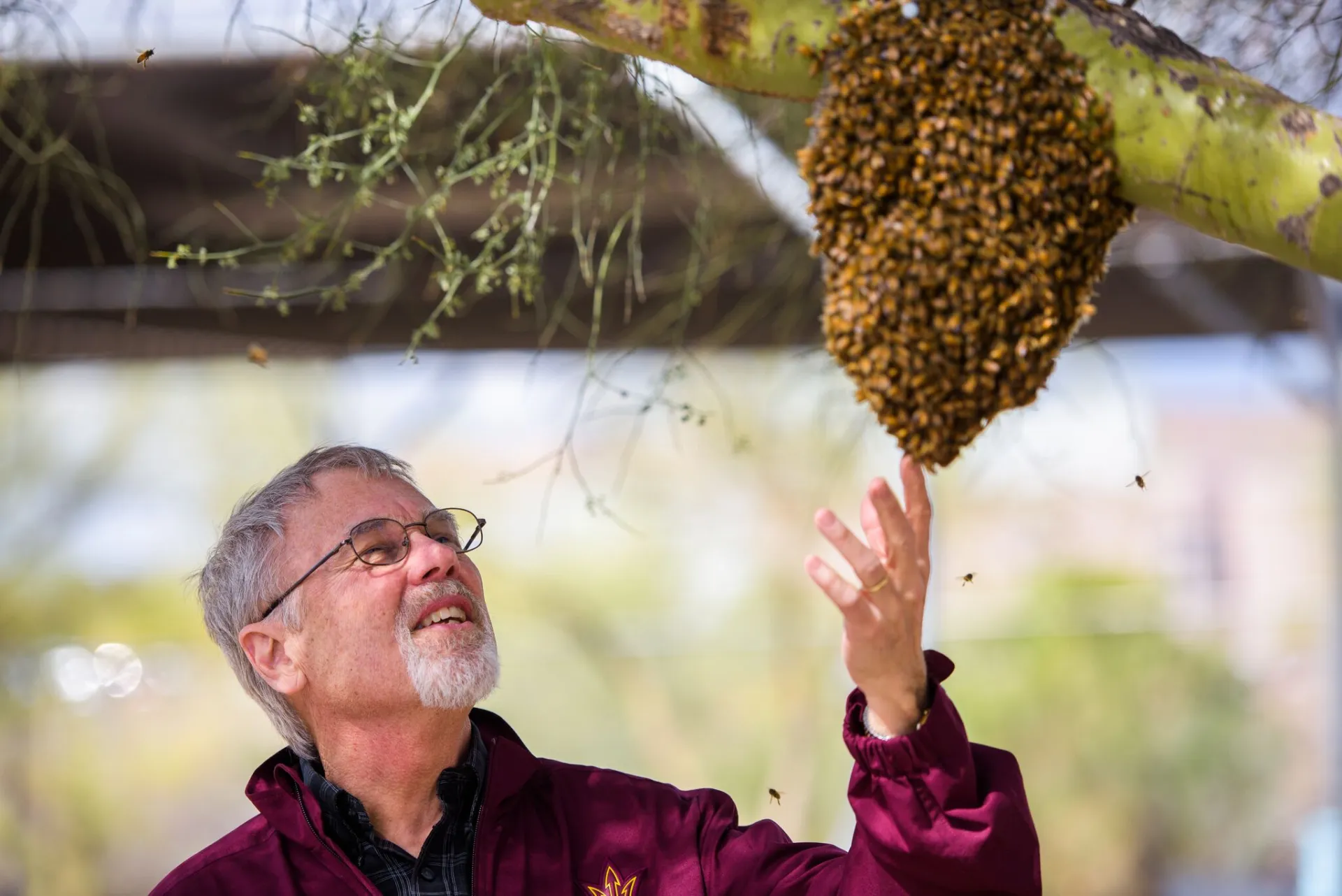
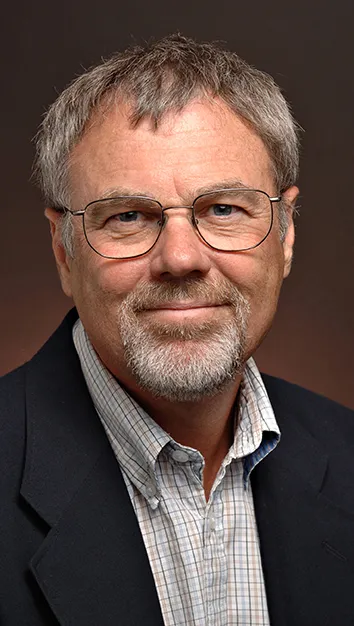
"I'm ecstatic," said internationally renowned bee scientist Robert E. Page Jr., when hearing this morning that he's a newly elected member of the National Academy of Sciences (NAS).
So are we! And so well deserved.
UC Davis and Arizona State University (ASU) colleagues are among those cheering. Page is a UC Davis doctoral alumnus and former chair of the UC Davis Department of Entomology. He went on to become founding director of the ASU School of Life Sciences; dean of the ASU College of Liberal Arts and Sciences; and ASU provost.
Page is one of 120 members (and 25 international members) elected to NAS today in recognition of their distinguished and continuing achievements in original research.
"Those elected today bring the total number of active members to 2,705 and the total number of international members to 557," a NAS spokesperson said. "International members are members of the Academy with citizenship outside the United States."
Constructed First Genomic Map of Honey Bee
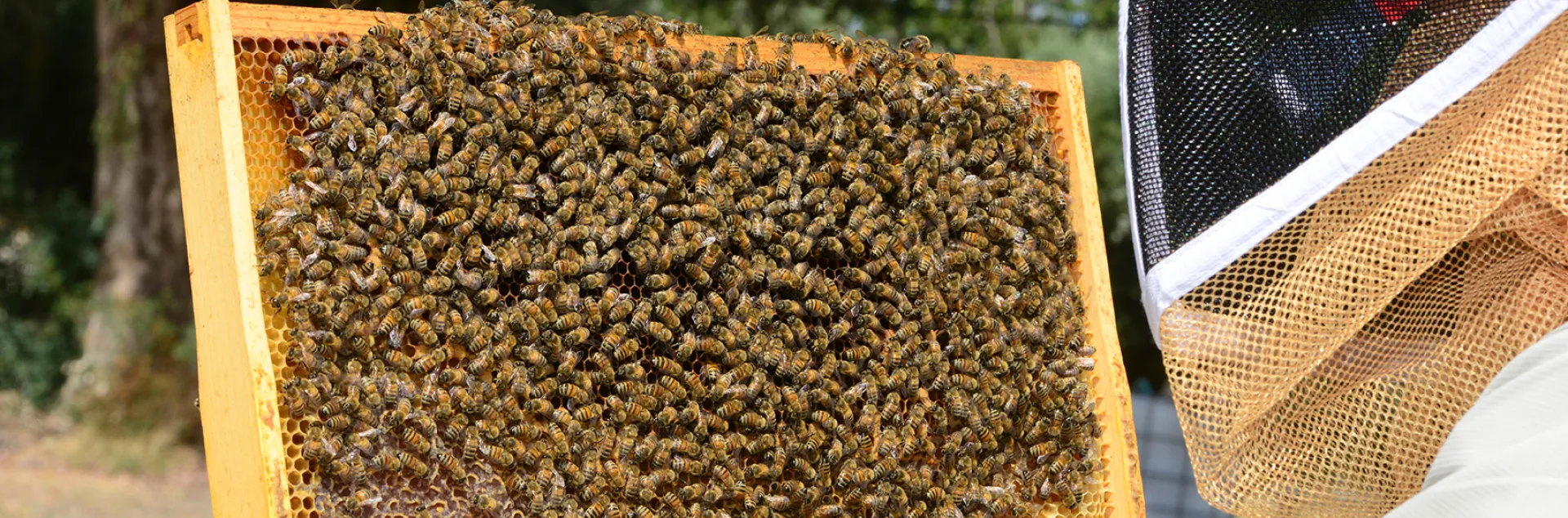
Page pioneered the use of modern techniques to study the genetic basis of social behavior evolution in honey bees and other social insects. One of his most salient contributions to science was to construct the first genomic map of the honey bee, which sparked a variety of pioneering contributions not only to insect biology but to genetics at large. He was the first to employ molecular markers to study polyandry and patterns of sperm use in honey bees.
"Rob is arguably the most influential honey bee biologist of the past 30 years," said NAS member Walter Leal, UC Davis Distinguished Professor, Department of Molecular and Cellular Biology and former chair of the UC Davis Department of Entomology. "We're delighted to see he's now a NAS member. Very well deserved!"
Page received his doctorate in entomology from UC Davis in 1980. He joined the UC Davis faculty in 1989, and chaired the Department of Entomology from 1999 to 2004. After retiring from UC Davis in 2004, he accepted an appointment at ASU as founding director of the School of Life Sciences. He served as dean of the College of Liberal Arts and Sciences, 2011-2013, and provost of ASU from 2013-2015.
Today Page holds multiple titles, including UC Davis Distinguished Emeritus Professor and Emeritus Chair of the UC Davis Entomology Department, and ASU University Provost Emeritus and Regents Professor Emeritus.
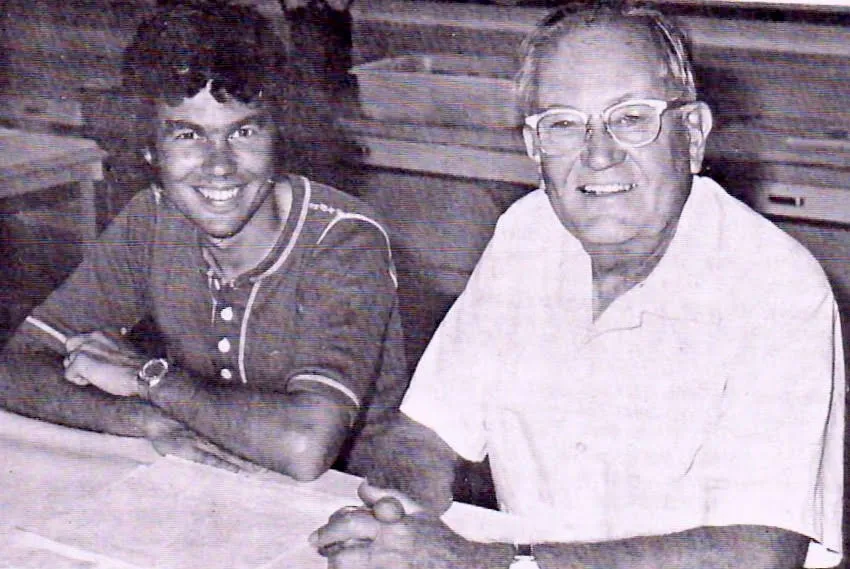
At UC Davis, Page worked closely with his mentor, Harry H. Laidlaw Jr., for whom the bee biology facility is named. Together they published many significant research papers and the landmark book, “Queen Rearing and Bee Breeding” (Wicwas Press, 1998), considered the most important resource book for honey bee genetics, breeding, and queen rearing.
For 24 years, from 1989 to 2015, Page maintained a UC Davis honey bee-breeding program, managed by bee breeder-geneticist Kim Fondrk. Their contributions include discovering a link between social behavior and maternal traits in bees. Their work was featured in a cover story in the journal Nature. In all, Nature featured his work on four covers from work mostly done at UC Davis.
Authored Three Books
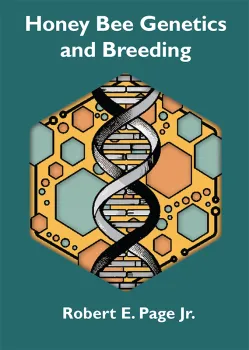
Page authored three books: Honey Bee Genetics and Breeding (Wicwas Press, 2025), The Spirit of the Hive: The Mechanisms of Social Evolution (Harvard University Press, 2013) and the Art of the Bee: Shaping the Environment from Landscapes to Societies (Oxford University Press, 2020). In 2023, he launched a free and publicly accessible YouTube Channel, https://youtube.com/@artofthebee “to make science understandable.”
Among Page's many honors:
- Fellow of the American Association for the Advancement of Science
- Awardee of the Alexander von Humboldt Senior Scientist Award (the Humboldt Prize, the highest honor given by the German government to foreign scientists)
- Fellow of the American Academy of Arts and Sciences
- Elected to the Leopoldina, the German National Academy of Sciences (the longest continuing academy in the world)
- Fellow of the Wissenschaftskolleg zu Berlin
- Fellow of the Entomological Society of America (ESA)
- Fellow of the California Academy of Sciences
- Elected to the Brazilian Academy of Science
- Recipient of the James W. Creasman Award of Excellence from the Arizona State University Alumni Association
- Fellow, Carl Friedrich von Siemens Foundation, Munich, Germany, September 2017-August 2018
- Thomas and Nina Leigh Distinguished Alumni Award from UC Davis Department of Entomology and Nematology
- Distinguished Emeritus Professor, UC Davis
- Exceptional Faculty Emeriti Award, UC Davis College of Agricultural and Environmental Sciences
Born in Bakersfield
Born and reared in Bakersfield, Kern County, Page received his bachelor's degree in entomology, with a minor in chemistry, from San Jose State University in 1976. Following his doctorate from UC Davis in 1980, he served as assistant professor at The Ohio State University before joining the UC Davis entomology faculty in 1989.
In a 2024 interview with entomologist Marlin Rice for a Legends article in the American Entomologist, an ESA publication, Page said he always knew he would go to college: "When I was born, my parents were living in a farm-labor camp in Lamont, California," Page told Rice. "My father had a sixth-grade education, and my mother was very demanding of me getting an education. My mother spent time teaching me to read, so I was reading fourth-grade readers when I was four years old. I don’t know that they necessarily knew I wanted to be a biologist, but there was never any question that I was going to college."
Another excerpt from the Legends article, Robert E. Page Jr., the Spirit of the Bee:
"At age 19, Page enlisted in the military (during the Vietnam War) and was trained as combat medic. He never saw combat duty. He was stationed in Heidelberg at the U.S. Army Europe and Seventh Army headquarters. It was there that he met Michele, his wife-to-be." The couple met in June and married in November.
When Rice asked him if his military service "was a positive or negative experience," Page replied: "The army training was fundamentally important to me being a university administrator. I learned leadership skills that I used every single step of the way. And I trained other faculty into leadership positions. The most important fundamental of what I learned of leadership in OCS (Officer Candidate School) is know what kind of leader you are and be consistent at it. There are different ways of doing it. You can push people. You can pull people. You can be a follow-me leader and lead from the front of the pack. You can be a shepherd, always re-routing them. Or you can steer them like a big ship. They are all equally good strategies. Different people use them in different ways. But you need to know what you are and be consistent."
NAS Mission
The NAS mission is to recognize and elevate outstanding science, foster a broad understanding of science, and oversee the National Research Council to produce and promote “independent, authoritative, trusted scientific advice to the government for the benefit of society.”
NAS was established in 1863 as a private, nongovernmental institution.