
Don't miss this new exhibit at Briggs Hall during the 112th annual UC Davis Picnic Day on Saturday April 18.
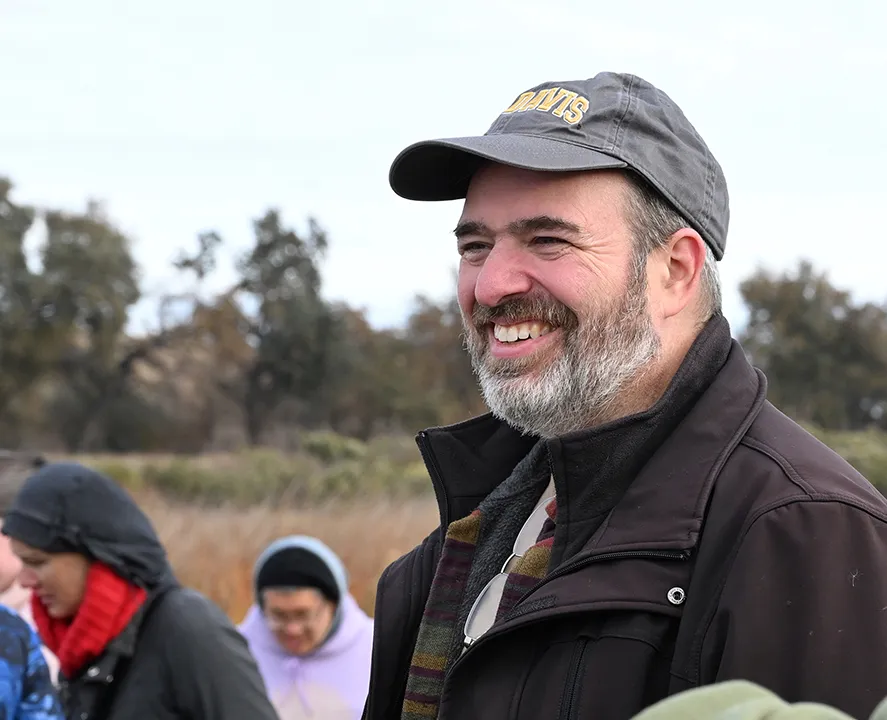
The exhibit, scheduled from 9 a.m. to 5 p.m., will feature the wetlands restoration project of medical entomologist-geneticist Geoffrey Attardo, associate professor, UC Davis Department of Entomology and Nematology and his colleagues.
He's a talented scientist, outstanding teacher, and an amazing photographer and videographer.
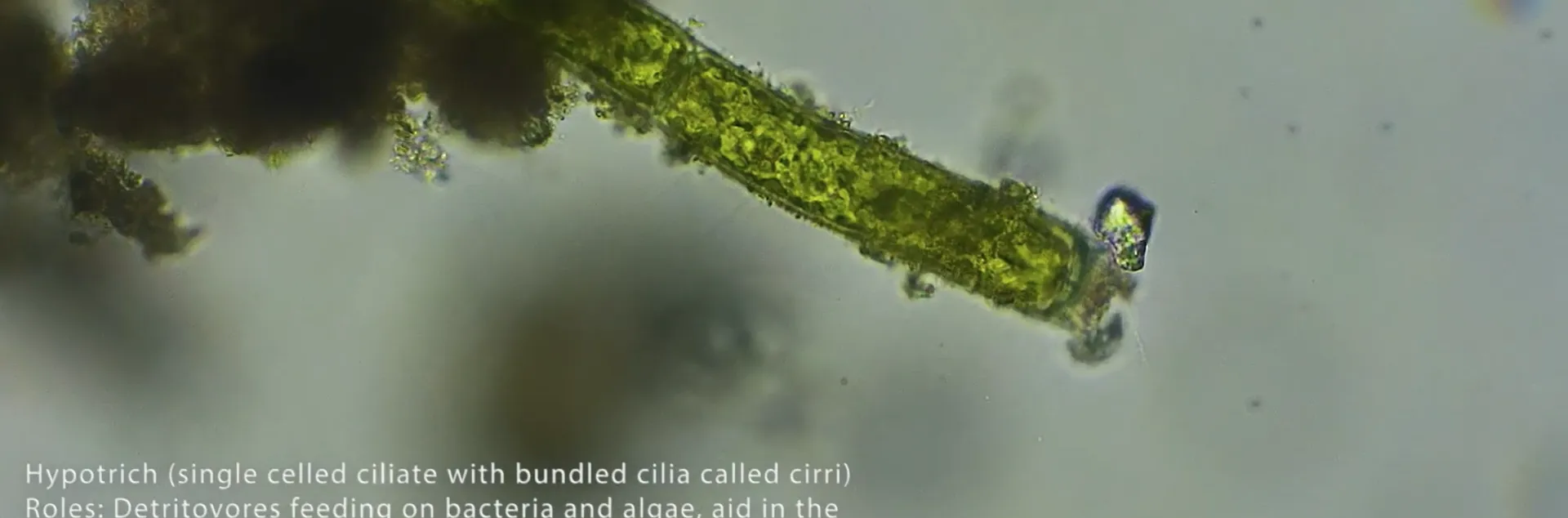
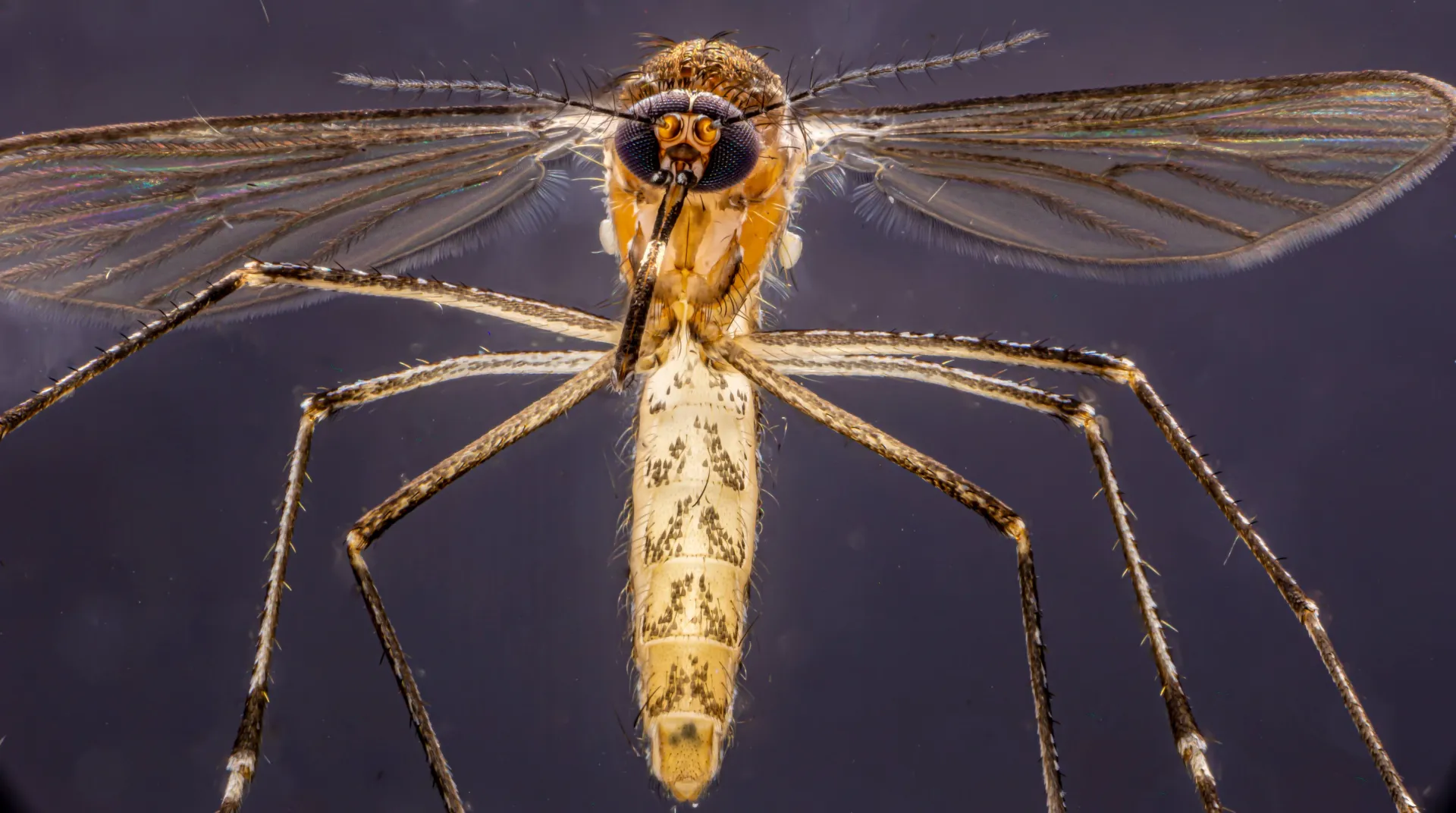
Attardo and his lab will be presenting a display featuring macro photos and videos of the aquatic invertebrates that make up and provide the ecological services of wetland ecosystems. He aslo will display a poster "on the importance of maintaining wetland ecological health to provide critical benefits needed for public and environmental health and to mitigate climate change."
He also will provide videos that features close-up shots of most of the fauna.
Attardo collaborated with a Bay Area musician to create videos of wetland organisms to improvised electronic music.
- Sporepedia and the Microscopic Aquatic World: https://youtu.be/hfpNmjHiNr4?si=s7Nwhj-8m8Z3hxOH
- Tanquil Micro Worlds and Ambient Electronica: https://youtu.be/vj5y5D6eoxk?si=JeQOcS-XoqZfY5HY
- Denizens of Cache Creek: https://youtu.be/93OpJJUMUv8?si=FQ7MDeA5EHtzemde
The UC Davis Department of Entomology and Nematology's year-end-review newsletter, published in December 2025, featured Attardo's wetlands restoration project.
Mosquito-borne diseases are a growing global problem due to an array of complex factors, he said. “Many of these derive from human development, ecological disruption, and climate change. A historical method of mosquito control has been drainage and conversion of wetland ecosystems for agriculture and urban development to reduce mosquito populations and increase land productivity. Wetlands were stigmatized by western culture as sources of mosquitoes, disease, and sloth. It’s estimated that in California, more than 95 percent of the wetlands existing prior to western colonization have been drained and converted.”
“In contrast to these views, these ecosystems were an essential part of Californian Native American culture and considered sacred and treasured spaces," he said. "Native people relied on wetlands for clean water, abundant food, and raw materials for shelter, clothing, transportation, and ceremonial dress.
“Recent findings on the role that wetlands play in vector borne disease contradict the popular view that these ecosystems are sources of disease and that they could provide ecological services that regulate vector insect populations and reduce the risk of vector borne disease,” Attardo continued. “This is facilitated by the biodiversity of these ecosystems which produce abundant predatory species, create competition for resources, and provide alternative hosts for vectors. Proper restoration and care of wetlands can provide a multitude of benefits that address societal needs including restoration of biodiversity, improved water quality, disease transmission, carbon sequestration, flood control, and more. However, disruption, pollution, and degradation of wetlands can have the opposite effect.”
Attardo and his colleagues, in collaboration with a traditional ecological knowledge practitioner, Diana Almendariz, are working to educate people about the essential ecological services wetlands provide, teach traditional methods of wetland restoration and care, and introduce people "to the amazing hidden world of plants and invertebrates, to foster appreciation, care, and support for these essential habitats."
Attardo is the recipient of the 2026 Excellence in Teaching Award from the Pacific Branch, Entomological Society of America (PBESA), which he received at the PBESA conference held April 12–15 in Spokane, Wash. The theme: "Progress that Matters. Innovation That Serves. Where Ideas Shine and Impact Grows." PBESA encompasses 11 Western states, plus parts of Canada and Mexico, and U.S. territories. Attardo now is a nominee for the national award, given by the Entomological Society of America (ESA).
For more information on the entomological displays at Briggs Hall for the UC Davis Picnic Day, see https://entnem.ucdavis.edu/news/uc-davis-picnic-day-lets-go-bugs
Cover image: Hypotrich Single-celled ciliate with bundled cilia called cirri) at Cache Creek (Photo by Geoffrey Attardo)