Bug Squad Logo

Bug Squad

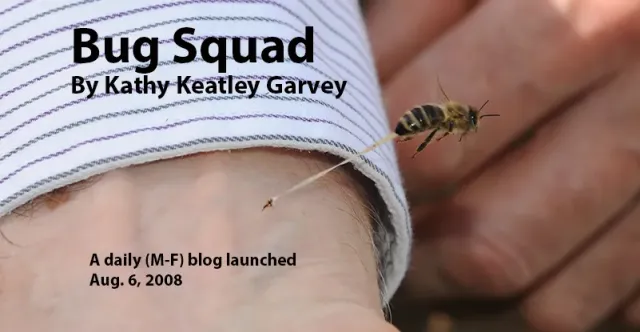
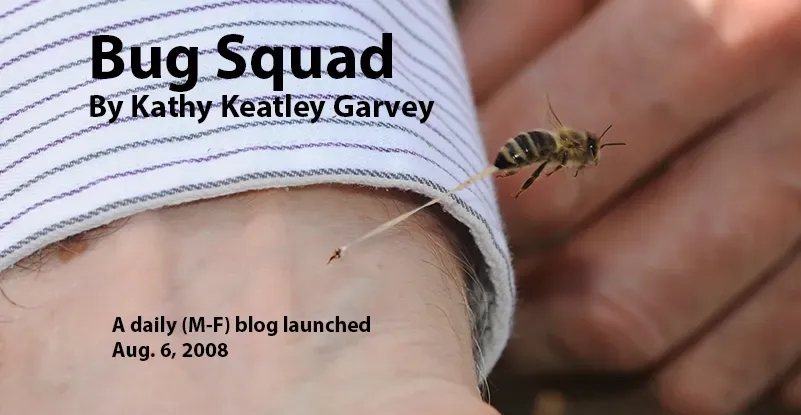
Bug Squad blog image depicts a honey bee sting in action.

Welcome to the Bug Squad blog! The Bug Squad blog was launched Aug. 6, 2008 and is a daily blog (Monday through Friday). It showcases entomologists and the work they do.  The blog focuses on scientists in the UC Davis Department of Entomology and Nematology, the Bohart Museum of Entomology, Harry H. Laidlaw Jr. Honey Bee Research Facility, the UC Davis Bee Haven, and assorted campuswide events, including UC Davis Picnic Day, UC Davis Biodiversity Museum Day, and Bohart Museum open houses. The blog spotlights insects, including bees, butterflies, dragonflies, and praying mantises, as well as arachnids such as jumping spiders and crab spiders. Author and photographer is Kathy Keatley Garvey, communications specialist, UC Davis Department of Entomology and Nematology, and a longtime journalist and community scientist with two degrees from Washington State University.  She is a member of the Entomological Society of America (ESA) and the Association for Communication Excellence (ACE). Her blog posts and images have won international awards from ACE and ESA and appeared on journal and magazine covers. She shoots primarily with a Nikon Z-8 mirrorless camera, a Nikon D500 and Nikon 800, with assorted macro lenses. Feedspot lists it as one of the top entomology blogs on the Internet. 
Primary Image
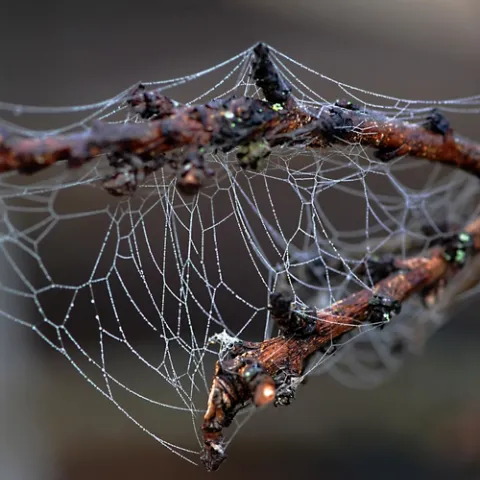
INTRICATE PATTERN of a spider web on nectarine branches. (Photo by Kathy Keatley Garvey)

Nature's Suspension Bridge

January 28, 2011
By Kathy Keatley Garvey
Nature's suspension bridge--that's what the spider builds. With the unseasonable warm weather and crafty spiders at work, can spring be far behind? Spiders are already building their webs on fruit trees yet to bud and bloom.
View Article
Primary Image
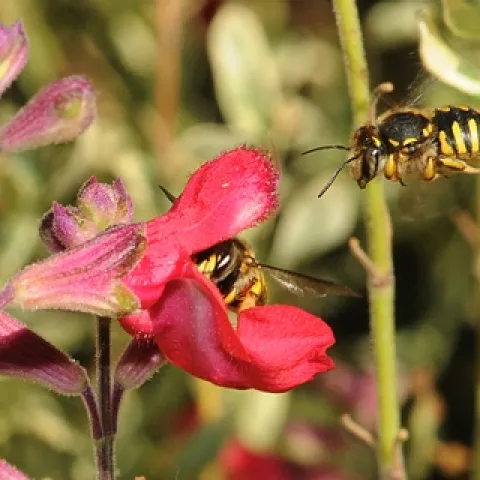
WOOL CARDER BEE heads for salvia, occupied by another wool carder bee. (Photo by Kathy Keatley Garvey)

Not a Terrorist

January 27, 2011
By Kathy Keatley Garvey
Last summer we watched European wool carder bees (Anthidium manicatum) dart in and out of the catmint and salvia in our bee friendly garden. The males are very territorial, so they'd chase away honey bees, bumble bees, hover flies and other insects from THEIR flowers. Yes, they claimed them.
View Article
Primary Image
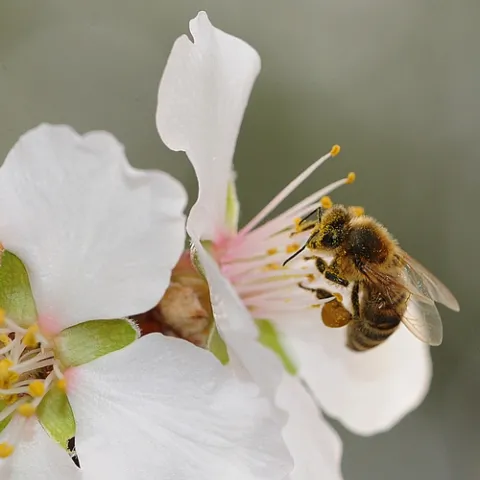
THIS WILL be the scene next month in California when honey bees begin pollinating the almond blossoms. (Photo by Kathy Keatley Garvey)

It's Almost Almond-Pollinaton Time

January 25, 2011
By Kathy Keatley Garvey
Hear the buzz in the California almond orchards? It's almost pollination time. The season usually begins around Feb. 1. This year California has some 750,000 acres of almonds, and each acre requires two bee colonies to pollinate. That's 1.
View Article
Primary Image
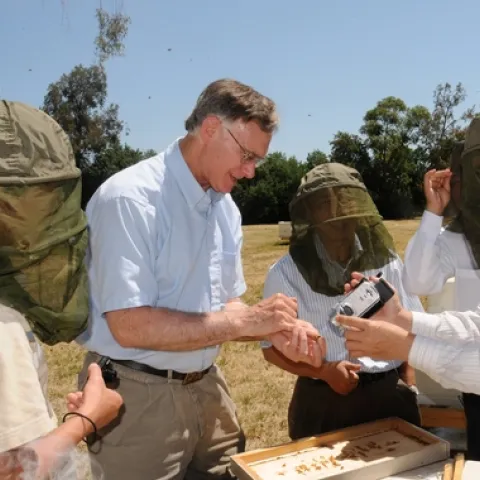
HONEY BEE EXPERT Eric Mussen shows bees to guests at the Harry H. Laidlaw Jr. Honey Bee Research Facility at the University of California, Davis. (Photo by Kathy Keatley Garvey)

Protecting the Pollinators

January 24, 2011
By Kathy Keatley Garvey
Honey bee expert Eric Mussen of UC Davis offers some good advice in a piece that he and commercial beekeeper Gene Brandi of Los Banos wrote in the current edition of CAPCA Advisor, published by the California Assoiciaton of Pest Control Advisors.
View Article