Bug Squad Logo

Bug Squad

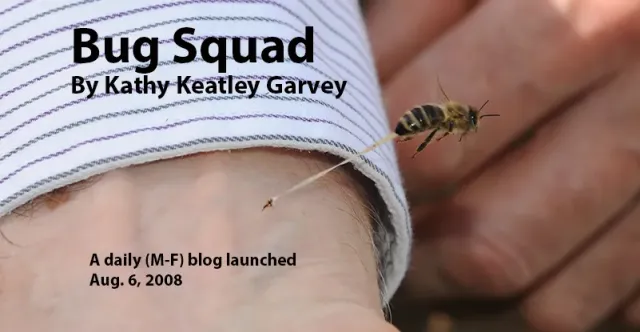
Bug Squad blog image depicts a honey bee sting in action.

Welcome to the Bug Squad blog! The Bug Squad blog was launched Aug. 6, 2008 and is a daily blog (Monday through Friday). It showcases entomologists and the work they do.  The blog focuses on scientists in the UC Davis Department of Entomology and Nematology, the Bohart Museum of Entomology, Harry H. Laidlaw Jr. Honey Bee Research Facility, the UC Davis Bee Haven, and assorted campuswide events, including UC Davis Picnic Day, UC Davis Biodiversity Museum Day, and Bohart Museum open houses. The blog spotlights insects, including bees, butterflies, dragonflies, and praying mantises, as well as arachnids such as jumping spiders and crab spiders. Author and photographer is Kathy Keatley Garvey, communications specialist, UC Davis Department of Entomology and Nematology, and a longtime journalist and community scientist with two degrees from Washington State University.  She is a member of the Entomological Society of America (ESA) and the Association for Communication Excellence (ACE). Her blog posts and images have won international awards from ACE and ESA and appeared on journal and magazine covers. She shoots primarily with a Nikon Z-8 mirrorless camera, a Nikon D500 and Nikon 800, with assorted macro lenses. Feedspot lists it as one of the top entomology blogs on the Internet. 

Primary Image
ROCK PURSLANE--The magenta-colored rock purslane (Calandrinia grandiflora) is a favorite of honey bees. (Photo by Kathy Keatley Garvey)

Twenty-Nine Days to Go

January 1, 2009
By Kathy Keatley Garvey
Twenty-nine days to go. If you love bees and know how to design a bee friendly garden, remember Jan. 30. Jan. 30 is the deadline to submit your design for the half-acre bee friendly garden at the Harry H. Laidlaw Jr. Honey Bee Research Facility, UC Davis.
View Article
Primary Image
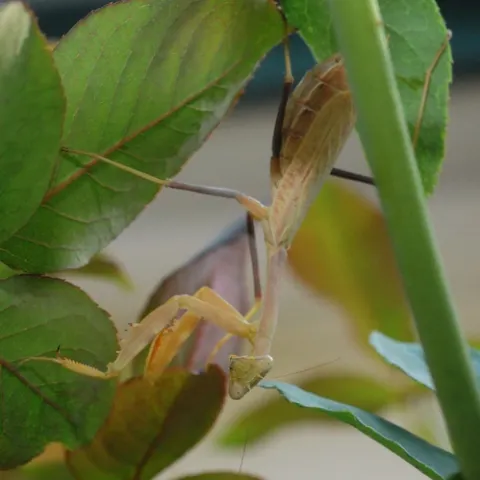
TURN OVER A NEW LEAF--and there's a praying mantis. (Photo by Kathy Keatley Garvey)

Turning Over a New Leaf

December 31, 2008
By Kathy Keatley Garvey
For my New Year's resolution, I resolve to turn over a new leaf. Oh, sure, most folks resolve to eat less, exercise more, drink less, read more, stress less, save more, gripe less, and volunteer more. Not me. I'm turning over a new leaf.
View Article
Primary Image
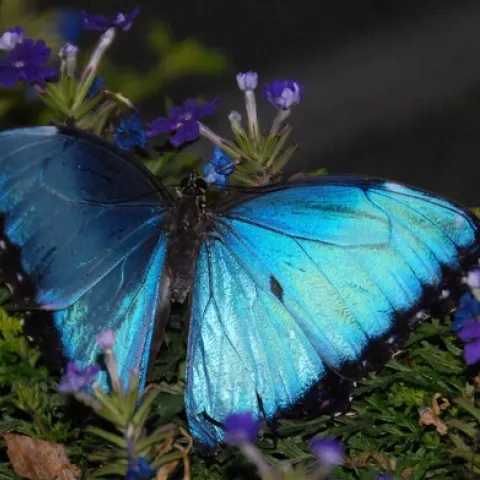
BLUE BUTTERFLY--This butterfly in the live butterfly display at the Entomological Society of America's recent meeting in Reno prompted photographers to aim, focus and shoot. (Photo by Kathy Keatley Garvey)

Flying Flower

December 30, 2008
By Kathy Keatley Garvey
Ponce Denis couchard Lebrun compared the butterfly to a flying flower: The butterfly is a flying flower, The flower a tethered butterfly. At the recent Entomological Society of America meeting in Reno, a blue butterfly drew the attention of lepidopterists and photographers alike.
View Article
Primary Image
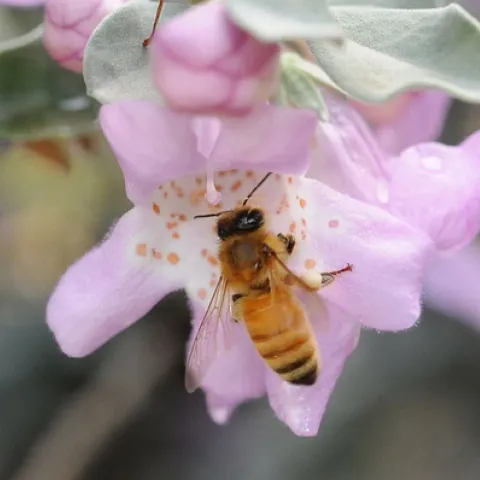
GATHERING NECTAR--This honey bee at the University of California, Davis, is gathering nectar on Cenizo (Leucophyllum frutescens). Newly published research from the University of Illinois finds that honey bees on cocaine dance more, and that the bees are motivated by feelings of reward. (Photo by Kathy Keatley Garvey)

What a Buzz!

December 29, 2008
By Kathy Keatley Garvey
Right out of Champaign, Ill., comes a research story about honey bees on coke. Cocaine. University of Illinois entomology and neuroscience professor Gene Robinson and his colleagues have found that honey bees on cocaine dance more.
View Article
Primary Image
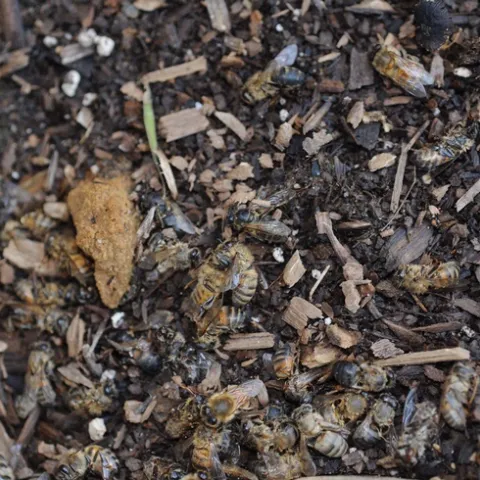
DEAD BEES--Drones are pushed out of the hive, cold and hungry, as the honey-gathering season ends and the weather turns colder. Some of these bees are drones (males) and some are worker bees (infertile females). This photo was taken Dec. 20, 2008. (Photo by Kathy Keatley Garvey)

Not Brotherly Love

December 26, 2008
By Kathy Keatley Garvey
'Tis the season for brotherly love, but not in the bee hive. As the honey-gathering season ends and the weather turns colder, the worker bees (infertile females) push their brothers--the drones--out of the hive. Drones are of no use to the colony in the winter. They're another mouth to feed.
View Article