
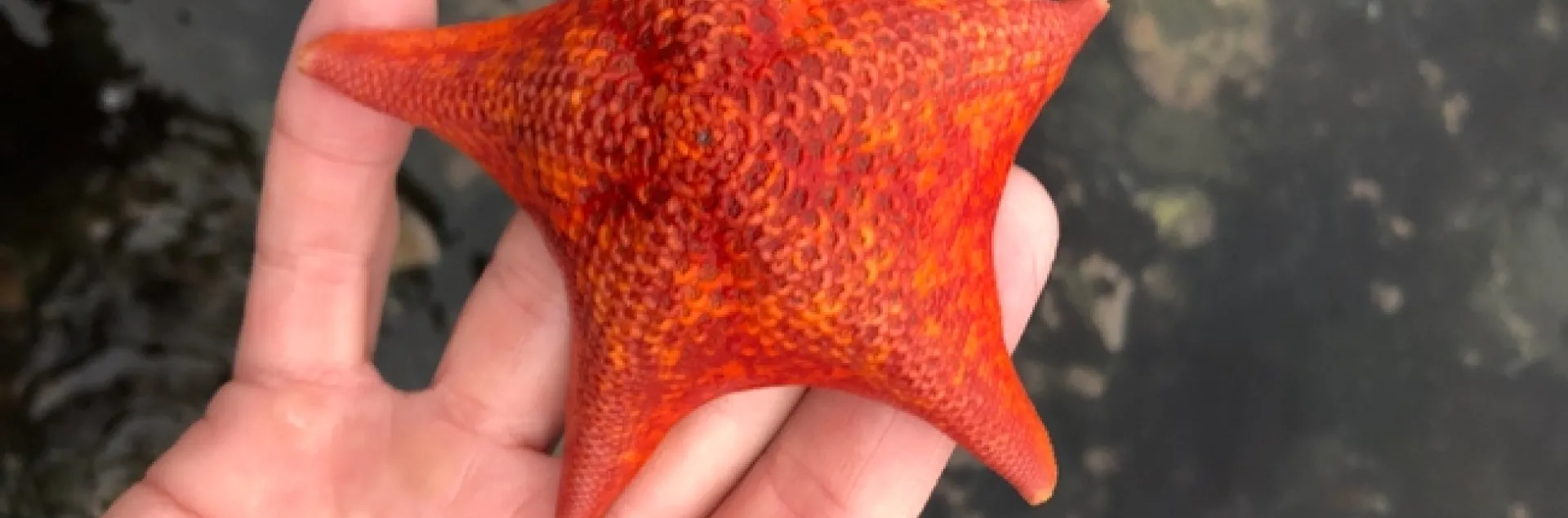
Our day started brisk and damp as the sun rolled out behind a curtain of central coast fog. We gathered in the grey light with our morning tea, dressed in warm clothes as the steam from our breath billowed out in front of laughter and conversation on the subject of tide pool safety and ecology.
What followed was a deep dive (pun intended) into the intertidal zone of our California coast.
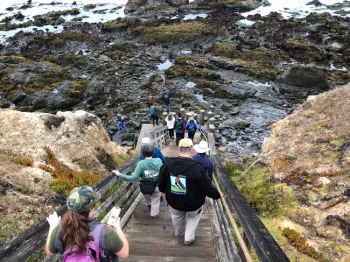
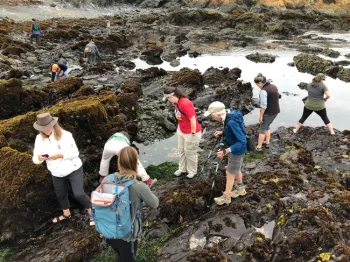
Most of these organisms move very slow, if at all. To observe them you need a lot of patience, a keen eye and steady footing. Perfectly adapted to this dynamic environment, these organisms often mimic their surroundings. By asking yourself “how does this animal move, eat, and avoid predation?” their biology starts to demystify, and their secrets are revealed.
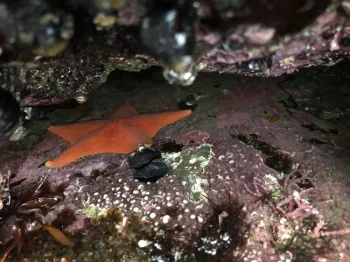
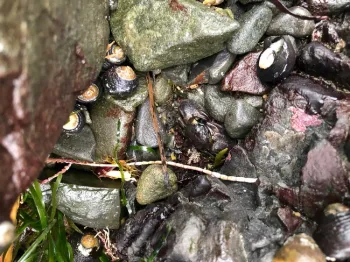
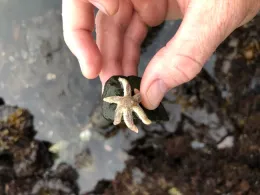
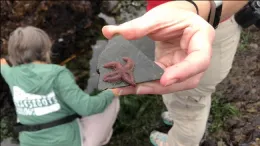
More than 30 observing naturalists helped to spot, I.D. and record the location of over 40 tide pool species to iNaturalist. Monitoring our tide pool diversity is crucial to its long-term preservation: In 2013, Sea Star wasting disease hit hard along our coast and decimated populations from Vancouver, B.C. down to Baja California. This weekend's mini BioBlitz saw healthy specimens in relatively healthy numbers and cataloged the recovery of at least 3 species of sea star.


The California Naturalist 2019 Regional Rendezvous was a meeting of over 80 naturalists, state-wide staff, and program partners. These passionate observers from across the state visited Camp Ocean Pines (a CalNat course partner) in Cambria for a 3-day immersive and educational experience, complete with field trips, workshops, guest speakers and more. 44 observers made 289 observations of 112 species on iNaturalist.