
Citrus Bloom Declared Across San Joaquin Valley: What It Means for Thrips Management
Citrus bloom has now been declared across the major growing regions of the San Joaquin Valley, with the first bloom observed in Kern County (March 12–19), followed closely by Fresno County (March 14–19) and Tulare County (March 15–21), depending on district. With bloom underway, this marks a critical transition period for pest management decisions, especially for a key pest like citrus thrips.
Why Bloom Matters for Pest Management?
NAL IMAGE
EXTERNAL IMAGE
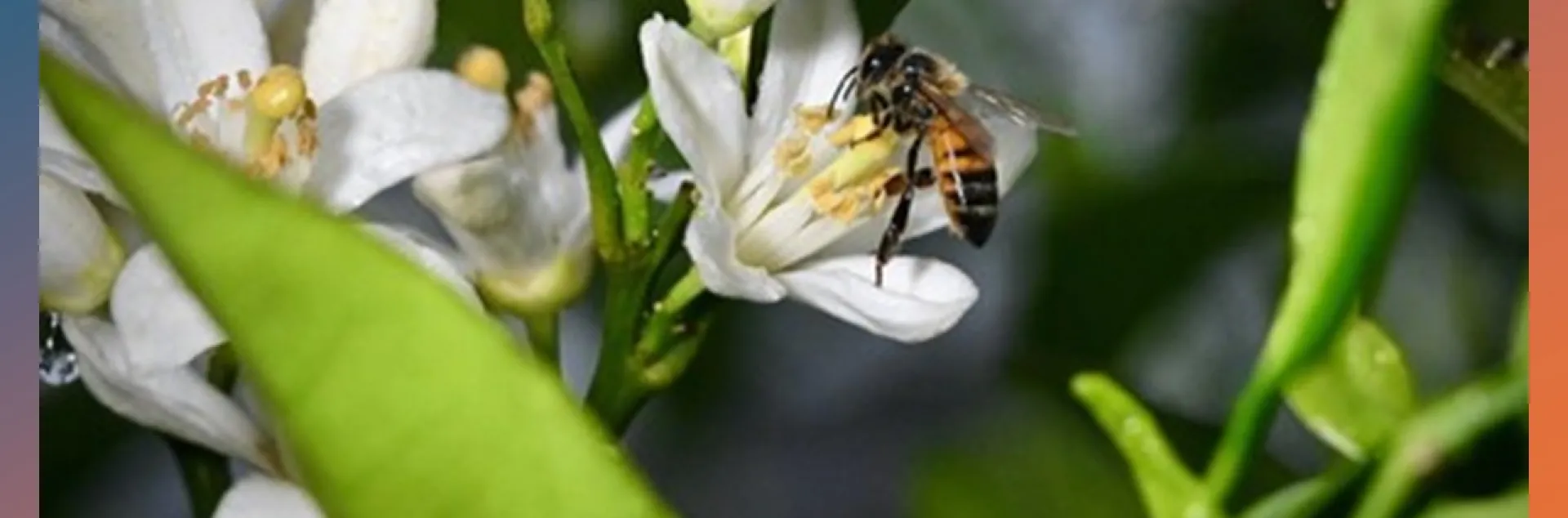
During bloom, bee activity is at its peak, and pesticide use is subject to strict regulations by the counties to protect pollinators. Many insecticides commonly used for thrips or other pests carry label restrictions prohibiting application during bloom or when bees are foraging. This limits treatment options and requires careful planning.
Citrus Thrips: Stay Vigilant
Citrus thrips are becoming active across the region, and early fruit set stages are highly susceptible to scarring damage. While the urge to make an early application may be strong, growers and PCAs should consider
- Monitor before treating: Focus on block-by-block scouting, especially on outside rows and windbreak edges to get an idea of thrips pressure and life stages present.
- Delay applications if possible until petal fall, when bee risk is reduced and more options become available.
- If you deem treatment is unavoidable, use bee-safe practices recommended in the label for the approved products (e.g., apply at night, avoid blooming weeds, select products with lower bee toxicity where allowed). For detailed pesticide use restrictions during bloom, including bee protection guidelines, refer to the Tulare County advisory document: https://files.constantcontact.com/94365203901/de14b6d8-2d55-4b80-8051-e15206b12afd.pdf
Special Consideration: Mealybugs
In blocks with a history or current presence of mealybugs, a bloom-time application may be justified to prevent population buildup. However, many products with efficacy against mealybug have bee restrictions.
- Consider managing ants early in the season
- Consider releasing natural enemies like Anagyrus, Cryptolaemus, or lacewings
- Follow the label, materials, and timings that minimize bee exposure
- Consider spot treatments rather than whole-block sprays if infestations are localized