

Weather forecasters are predicting a gradual shift beginning this month of the La Niña weather pattern in the Pacific Ocean to an El Niño pattern, with warmer temperatures and little if no rainfall in the Central Valley for most of 2026. We may well have already received all of the rainfall for this rain season (9.56 inches to date; average annual rainfall of 11.01 inches).
March temperatures, both daytime and nighttime, were well above average. The early onset of warm weather led to a premature spring. Nearly every type of spring flower bloomed within just a couple of weeks, seemingly all at once. Spring-blooming bulb flowers and fruit and nut tree flowers lasted only a few days in the unnatural heat. Cool-season leafy greens bolted, root crops like radishes and beets were deformed with a bitter taste. Peas and sweet peas withered on the vine. Bees and other pollinators have been active, but the shortened time frame for spring bloom may have affected pollination rates, especially for citrus and other fruit and nut trees.
'Harden off' transplants grown indoors
Here in the Central Valley, late March and early April is the best time to plant from seed and set out transplants of summer flowering annuals and vegetables. Tender young transplants raised indoors or in greenhouse-type conditions with controlled temperatures and humidity levels need a 'hardening off' period before planting to allow transplants to adjust to outdoor temperatures, direct sun and lower humidity levels. With higher than normal springtime temperatures in the forecast, providing this 'hardening off' transition time becomes very important for the survival and vigor of young transplants. When daytime temperatures are above 80 degrees, transplants planted too soon in full sun will suffer scorched leaves, wilting and stunted growth. Allow at least a week of a very gradual transition before planting beginning with several hours a day of full shade and no direct sun, followed by a few days of an hour or two of full morning sun increasing to six to eight hours maximum of full sun. Bring transplants indoors at night if nighttime temperatures are above 70 degrees. Provide afternoon shade after planting for at least a couple of weeks. This slow process promotes the development of thicker, 'harder' leaves and helps to reduce transplant shock which can kill young transplants.
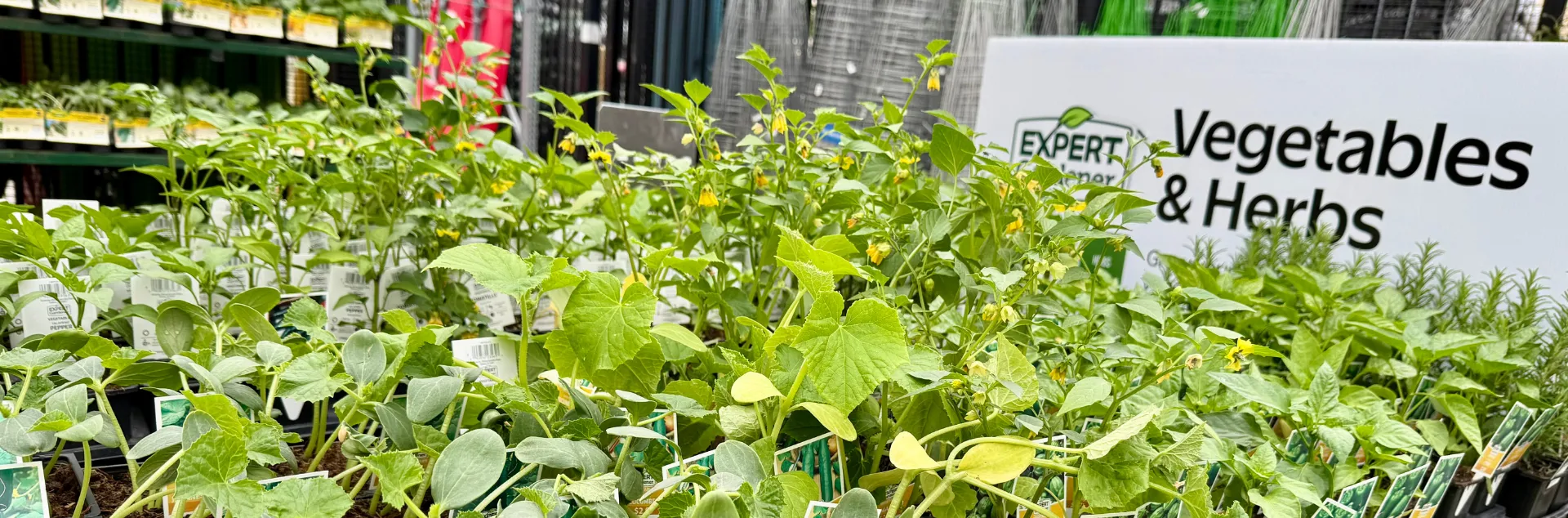
Transplants sold in many garden centers and nurseries may have spent a lot of time exposed to full sun. Most are sold in small cell packs that dry out quickly; those transplants will be stressed by sun rays, heat and drought. If possible replant those transplants into 4-inch pots and then begin the 'hardening off' process. Irrigate transplants whenever the top of the soil has dried and wait until two weeks after transplanting to fertilize at half the recommended rate. Soil in planting beds should be amended two weeks before planting to give the soil time to settle. If you’ve missed that deadline don’t worry. It’s more important to get transplants hardened off and better prepared for a long, hot summer.
Choose varieties that are labeled drought-tolerant and heat resistant with longer days to maturity. Those varieties are more likely to continue productivity until fall. Plant both determinate (bush) and indeterminate (vine) type tomatoes to ensure a continuous crop.
________________________
Written by UC Master Gardener Elinor Teague
Source:
Igini, Martina. March 16, 2026, El Nino Set to Return in 2026, Bringing Erratic Global Weather Shifts and Unusual Heat, earth.org