
UC experts share data, tips and tools for Ventura County growers to prepare for exceptional rates of warming in the region
Ventura County is an agricultural hub renowned for premium produce, like strawberries and avocados. But, based on recent climate data, this coastal region is earning a new, unwelcome reputation.
“Ventura County turns out to be one of the fastest warming counties in the entire United States,” said Daniel Swain, a climate scientist with University of California Agriculture and Natural Resources.
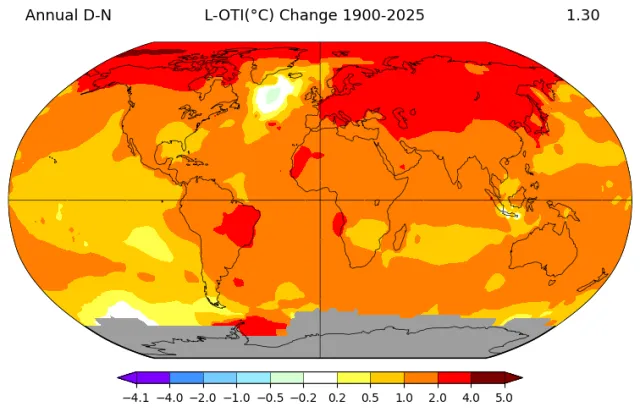
Swain recently shared this news during a public workshop on climate change and agriculture hosted by UC ANR in Camarillo. His presentation, available in person and online, featured maps to help the audience visualize how parts of the globe are heating up at uneven rates. Even against the backdrop of a warming North America, Ventura stands out.
“This is the most up-to-date global warming map you could possibly get… and it’s even more red and orange than it was last year, meaning the warming, of course, is even greater,” Swain said.
The causes of global climate change are well-established by scientists – human activity, like burning fossil fuels, has led to an accumulation of greenhouse gases that trap heat in the Earth's atmosphere. But explaining Ventura’s exceptional rate of warming is more complicated and likely involves a variety of factors that amplify the effects of climate change.
According to Swain, one factor may be the county’s relatively recent urban development over the last fifty years, compared with its older, previously built-out neighbors, like Los Angeles and Santa Barbara counties. When natural vegetation gets replaced with concrete and pavement, the land loses its built-in cooling system and absorbs more heat, leaving cities especially vulnerable to bake with global temperatures rising. This phenomenon, known as the “urban heat island effect,” may be a growing problem in Ventura.
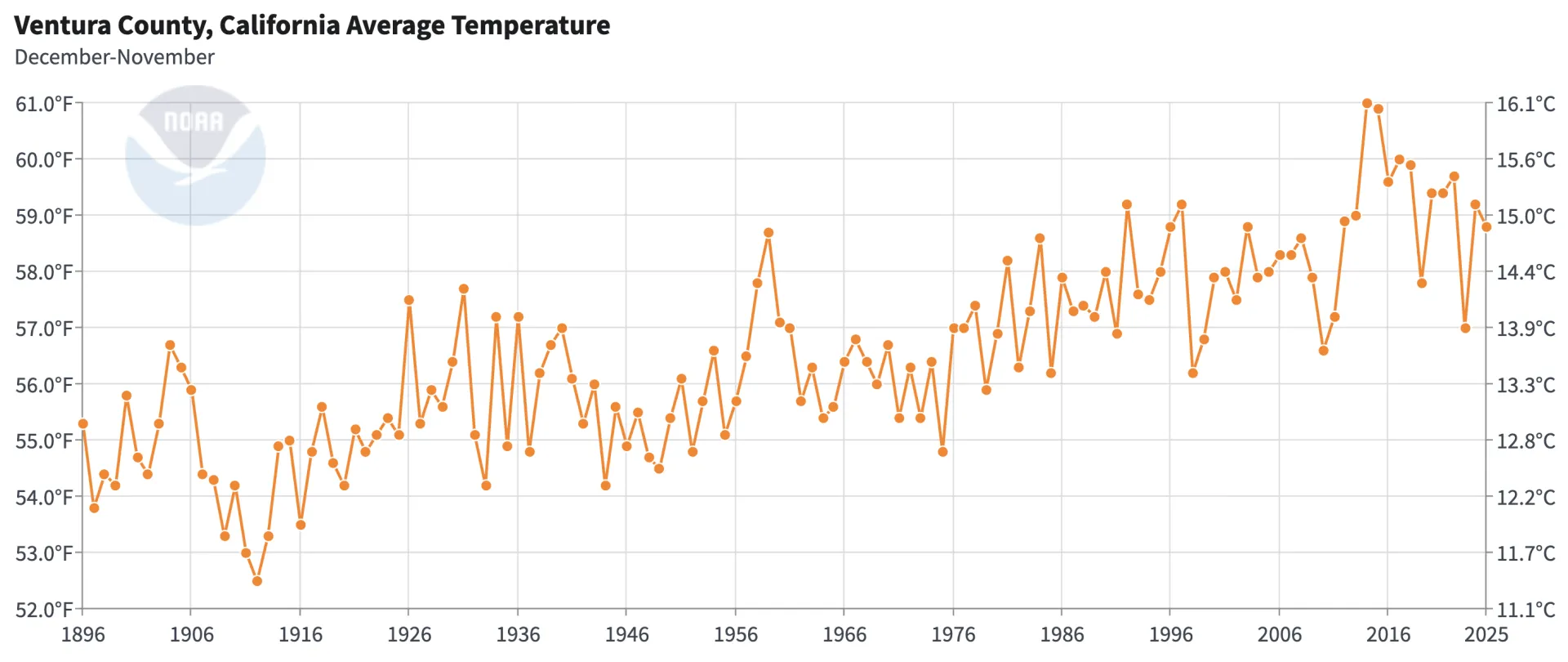
Swain also points to recent warming of the Pacific Ocean as another influence on local weather. (Yes, climate change is likely behind that trend as well). Taken together, these variables help explain why all of Ventura's warmest years have occurred in the last decade, compared with the county’s milder climate in the early 20th century.
With all this talk of hotter weather, it might seem like Ventura and the rest of California, “will perpetually shrivel up like a raisin in the sun,” Swain said. But that’s not necessarily correct.
Climate models predict average rainfall to stay roughly the same, but get all dumped out in a few big storms, rather than sprinkled over an entire rainy season. Californians are witnessing that prediction come true in extensive flooding events this winter.
“The water is still going to be there, but we’re just going to have to learn to manage it in increasingly inconvenient and ill-timed bursts,” Swain said.
Shifting winds on Ventura’s farms
The trends Daniel Swain highlighted in global climate data have not gone unnoticed by Ventura’s farmers, a population working in especially close contact with the land.
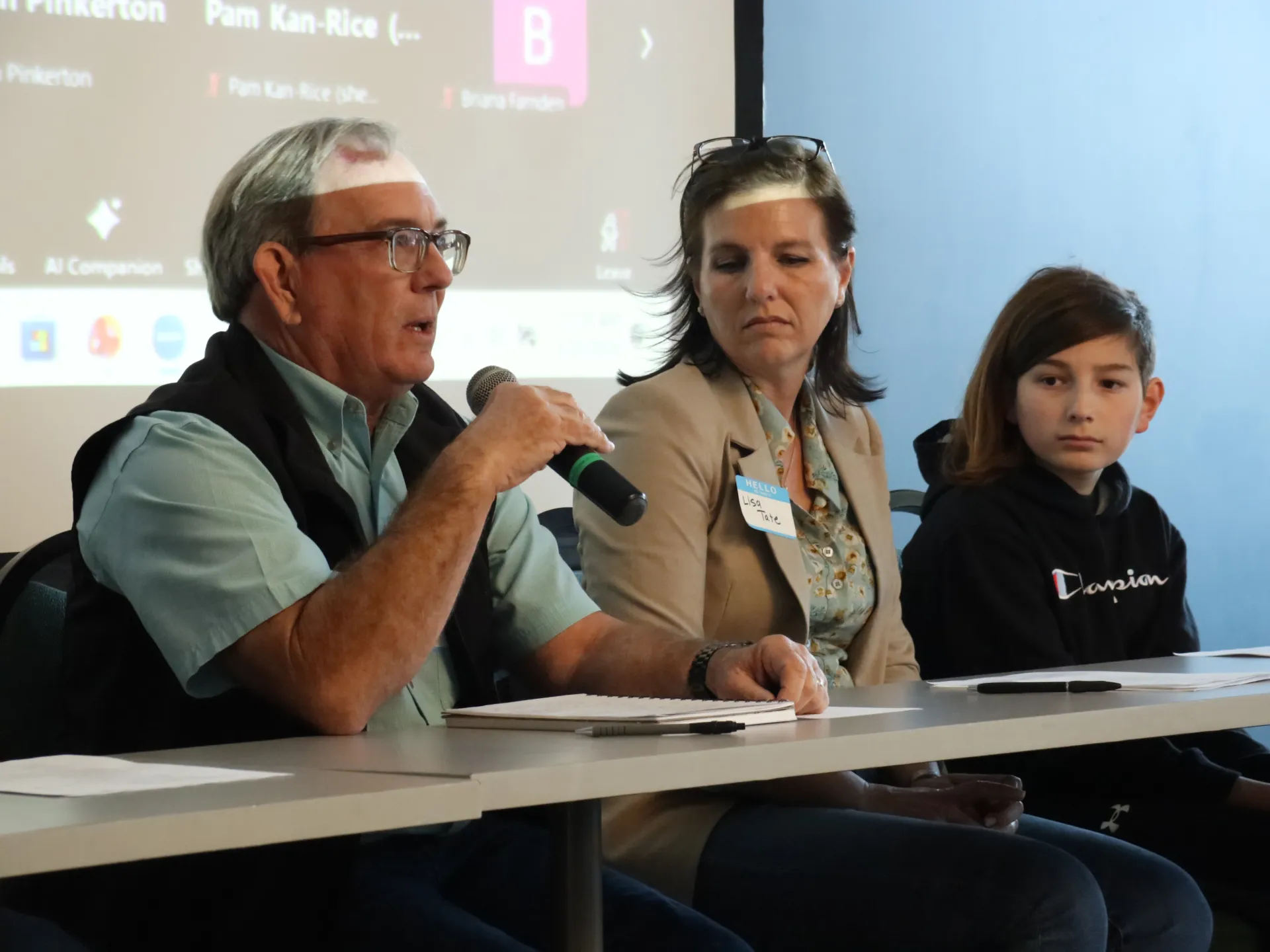
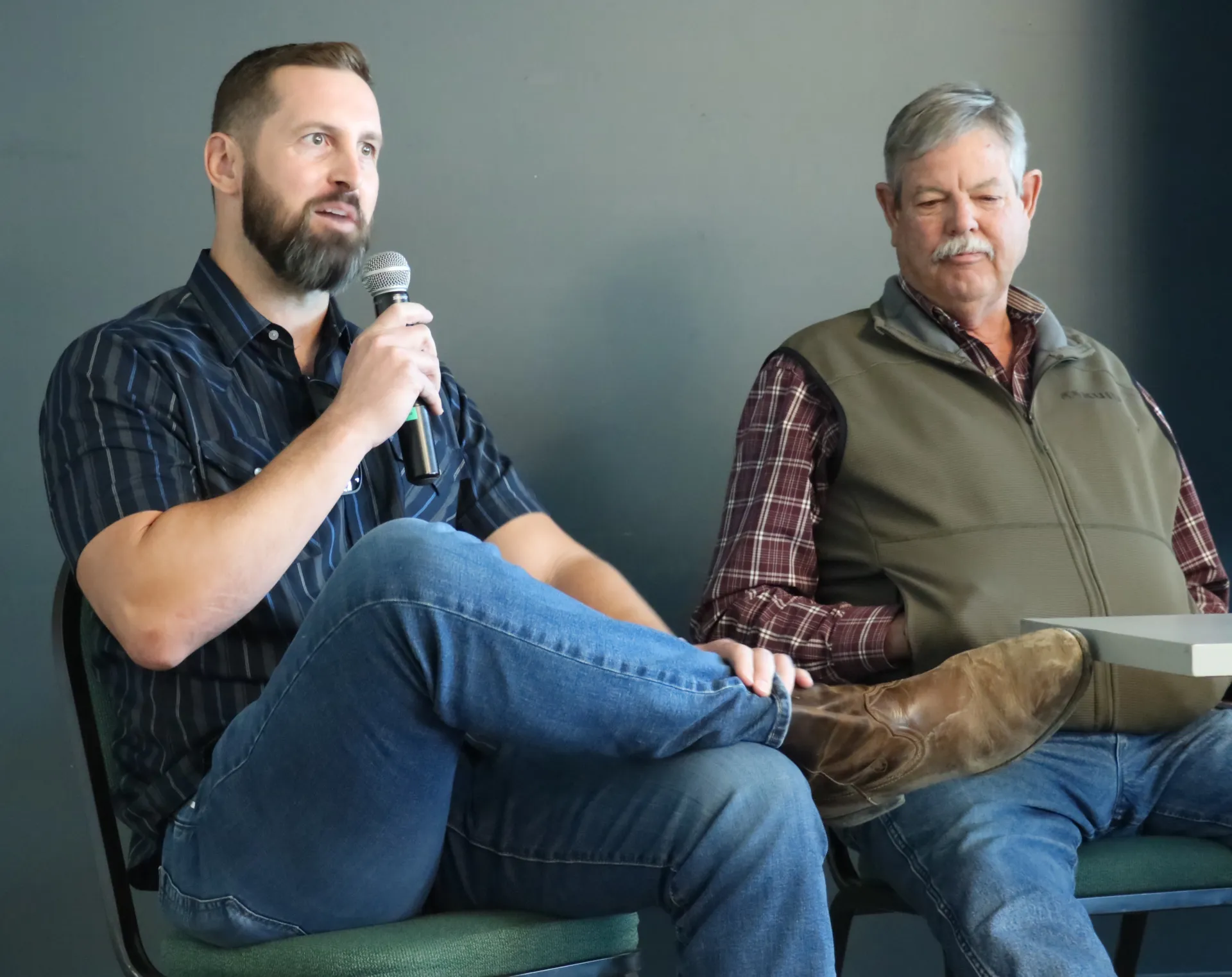
Following presentations from Swain and other UC scientists, the event assembled a panel of farmers experienced in growing avocados, lemons, strawberries, coffee, lettuce, nursery stock and cattle.
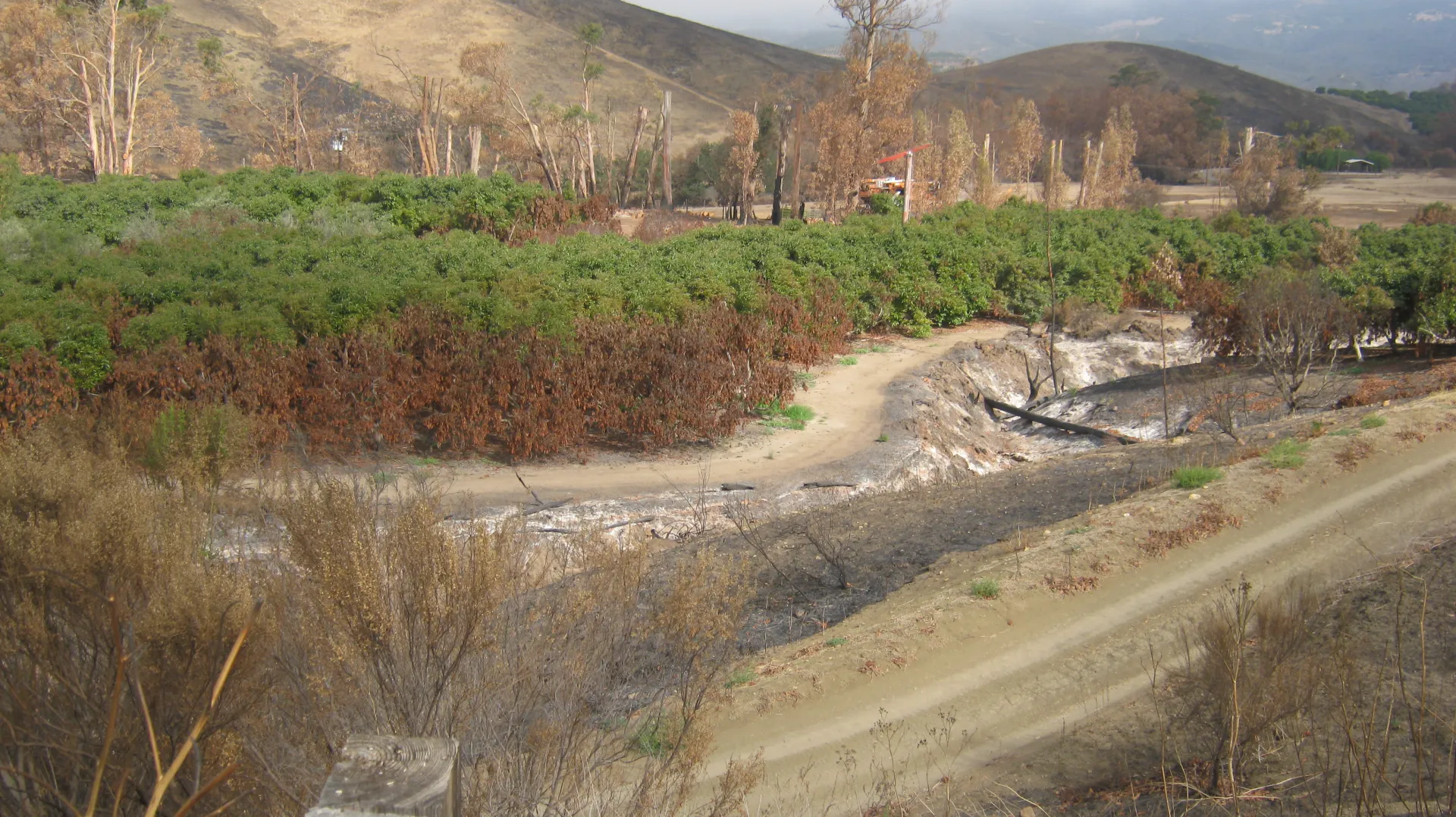
The first question, posed by moderator Ben Faber, a UC Cooperative Extension advisor, asked the group to recount the most memorable natural disasters of their farming careers. Every grower had a story – they had weathered frosts, fires, floods, heat waves and wind storms.
“Recently, we had a mudslide that just destroyed our irrigation system,” said Lisa Tate Soury, coffee, avocado and lemon grower and owner of Rancho Filoso, one of several farms run by her family in the Ventura area.
Inspired by close-to-home climate disasters, her 12-year-old son, Tate Soury, delivered a written statement to the workshop audience listening, both in-person and online.
“Damage isn’t happening once in a while anymore. It’s happening almost every year,” Soury said. “A few degrees hotter might not sound like much, but it really is… it slowly wears crops down over time.”
Panelists shared tips for adapting to these new uncertainties, like investing in generators and satellite internet to keep systems running during power outages. Others touched on the silver linings of climatic shifts, like extended growing seasons. William Terry, a local grower, hasn’t faced a major frost in over a decade. That’s enabled him to grow crops like celery and cilantro over winter in historically colder pockets of the county.
“We’re seeing success growing certain crops in areas that might have been riskier in my dad and grandfather’s time. From my own experience, that feels significant,” Terry said.
UC experts offer customized climate guidance
Despite the disasters they’ve contended with, several panelists pointed to short term considerations about labor and economics as their top priorities, rather than long term problems related to climate change.
Tapan Pathak, Cooperative Extension specialist in climate adaptation in agriculture at UC Merced, has heard that sentiment before and addressed growers' concerns during a talk at the workshop. According to his research, climate change has documented economic consequences worth paying attention to, like increased pest pressure and heat related damages.
“How can we better integrate climate and weather information so that it’s more useful to growers?” Pathak asked. Based on focus groups he’s conducted, farmers have answered. “There is a clear need for crop-specific information rather than generic averages.”
To meet that need, Pathak developed a free decision-making website called CalAgroClimate, which puts weather forecasts into a context farmers can use statewide. By filling in details about their location and crops, farmers receive tailored information about heat, frost, crop phenology, pests and agroclimate indicators to guide their business.
A later presentation unveiled two online irrigation planning tools tailor made for Ventura County farmers. UC advisors Ben Faber and Andre Biscaro teamed up with IGIS program coordinator Andy Lyons to build programs that pull data from local weather stations to give growers individualized watering schedules. Following the app’s guidance will improve water use and plant health – valuable results as dry seasons drag on for longer.
“We don’t want to put on more water than the crop needs… we want to apply just the right amount,” Faber said.
One of the calculators serves avocado growers, while the other was designed for celery, strawberries, cabbage, broccoli and cauliflower.
In addition to online tools, Ventura County farmers also have access to UC experts who can personally help them adopt new practices and obtain relief funding after a crisis. That includes UC Cooperative Extension advisor Lilian Thaoxaochay, who covers disaster resiliency, planning and policy. She introduced herself, provided an overview of support programs available to farmers and opened the door for future one-on-one conversations.
“Part of my position is to walk through these resources with you,” Thoaxaochay said. “You don’t have to do these things alone.”
Other speakers at the workshop included personnel from the Ventura County Agricultural Commission, Farm Bureau of Ventura County and the Farm Service Agency of the U.S. Department of Agriculture. Recordings of the presentations can be found on the Ventura UC Cooperative Extension's YouTube channel.