
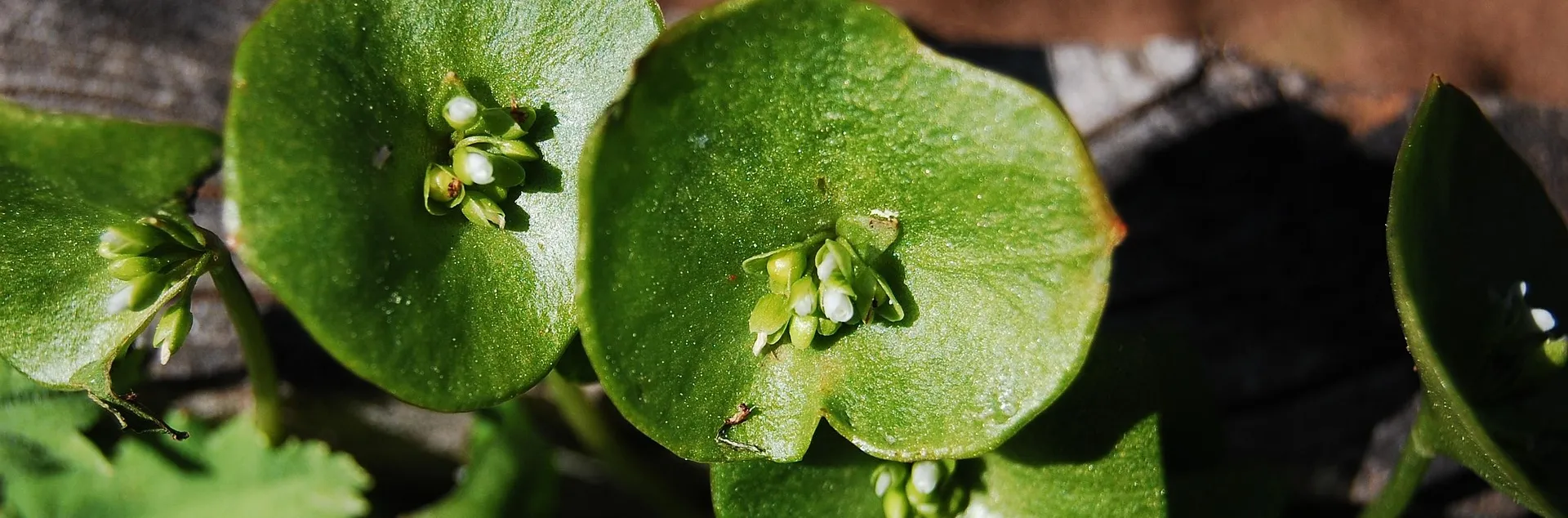
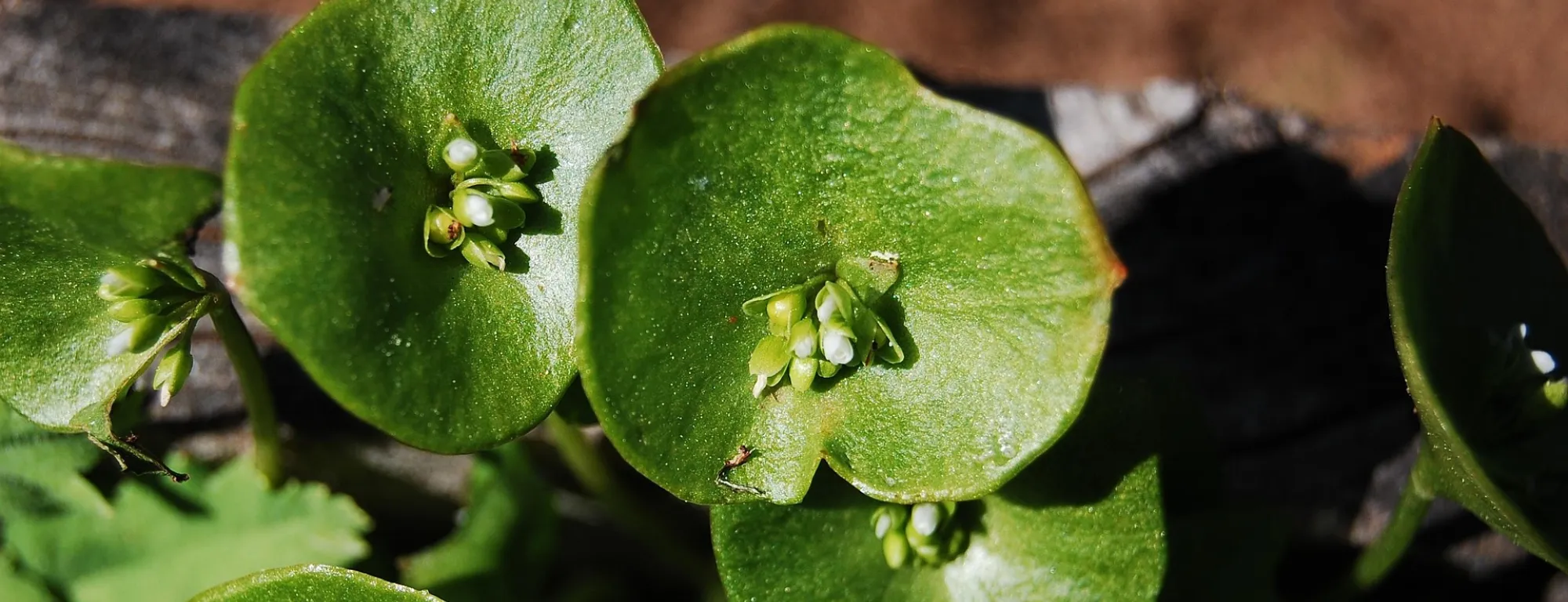
Recent California news reports have highlighted tragic cases of fatal mushroom misidentification. These cases involved species such as the highly toxic Amanita phalloides (commonly known as “death cap mushroom”) and can naturally spark fear. However, these headlines focus on worst-case scenarios and can make all wild mushrooms seem dangerous. But the truth is more balanced, with a thriving culture of Californian foragers who safely identify and ingest wild plants and mushrooms every day.
Foraging—gathering wild foods like berries, greens, nuts, and mushrooms—has provided nourishment for generations. When done responsibly, it is not dangerous or reckless, but rather a valuable contribution to a healthy lifestyle. It connects people to the land, provides nourishing food, and keeps us active outdoors. Just like hunting, fishing, or operating farm equipment, foraging safety depends on knowledge, practice, and respect.
Here is what you need to know to stay safe while enjoying the abundance of nutrition growing beyond the grocery store.
Do Your Research
Safe foraging requires not only accurately identifying what you are harvesting, but also being aware of possible lookalikes and other hazards you may encounter. Just as you would before going on a hike in a new wilderness area, be sure to check for any poisonous plants or animals common to the area- such as poison oak or rattlesnakes.

For identifying plants and fungi, start with just a few species that have prominent, easily recognizable features. Make sure there are no toxic look-alikes in your region. You may already be familiar with some of these- morels, chanterelles or king boletes (porcini). Each one has specific characteristics that distinguish them, but still be sure to become familiar with the species to properly identify. Use your senses- sight, smell, and touch- to get as much information about the specimen as possible.
Use a reputable field guide, and consider using one than one. Study the photos and read descriptions carefully, including habitat, season, and other plants that may be nearby. Better yet, learn from someone experienced. There are many foraging groups throughout California that other guided walks or can connect you to wild food experts in your area. Never rely on social media photos alone to confirm identification. Generative AI can easily create misleading posts or information that could lead to a mistake.
Learn about the Land
Foraging involves more than identification. It is about relationship to the land and the animals, plants and fungi that live on it with us. Know where you are harvesting. Avoid roadsides with heavy traffic, sprayed fields, industrial areas, or areas with contaminated soil (such as old mines, which may contain heavy metals). Wild foods absorb what is in their environment, whether good and bad.
Building familiarity with the land you are foraging on helps you recognize seasonal patterns. You will begin to notice where certain mushrooms return year after year, where berries ripen first, and which patches of edible greens stay clean and undisturbed. This awareness not only protects your health—it builds respect and protects the land itself.
Responsible foragers harvest lightly. They leave enough behind for wildlife and for the plants or fungi to reproduce. They avoid damaging root systems unnecessarily. Good stewardship ensures that these foods remain abundant for future seasons.
Practice Builds Confidence
Foraging is a skill, and skills improve with repetition. Stick with your chosen beginner species until you can identify them confidently in different stages of growth and in different weather conditions. Young specimens may look different from mature ones. Rain can change color and texture. The more you observe, the sharper your eye becomes.
Before consuming any new wild food, verify your identification with an experienced local forager, a reputable field guide, or a local mycology or plant group. Many of these groups offer guided ID walks or other events. You may make some new friends while learning from experienced members.
Start Small
Even when you are confident in identification, introduce new wild foods slowly. Wild plants and mushrooms can contain higher concentrations of phytonutrients and beneficial minerals than foods grown on depleted farm land, and this can be a shock to your stomach. Every person’s body reacts differently to any new food, so start with just a few bites. Wait 24 hours before eating more to make sure you do not have an unexpected reaction. This approach applies to grocery store foods too, although many of these are engineered to be appealing and bland. Wild foods are not bred for sweetness or shelf-stability, which means the flavors are stronger. A little goes a long way!
Keep Risk in Perspective
It is important to remember that fatal mushroom poisonings are rare and preventable. The solution is not fear: it is education and patient learning. Many cultures and rural communities have long traditions of harvesting wild foods safely. When people take the time to learn, verify, and respect the land, foraging becomes what it has always been: a healthy way to supplement your table, reduce grocery bills, and spend meaningful time outdoors.
The fatal mushroom poisonings reported in fall 2025 and winter 2026 are heartbreaking. Every loss of life is serious and deserves attention. But the lesson from these tragedies should not be that all foraging is dangerous. The lesson is that knowledge matters. Just as you would compare cars before buying or check a food label for allergens, wild foods require careful study. Guessing, assuming, or relying on first appearances can have serious consequences. Patient learning, trusted resources, and humility go a long way toward preventing mistakes.
If the recent headlines have sparked concern, let them also spark curiosity. Let them remind us that wild food is potent and deserves respect. With proper education and a cautious approach, foraging remains what it has always been: a way to nourish your body, strengthen your connection to the land, and pass practical knowledge on to the next generation.
Foraging is not about grabbing whatever looks edible. It is about slowing down, observing closely, and building knowledge season after season. If you learn, respect, and honor this age-old practice, you too can enjoy the abundance growing right outside your door!