
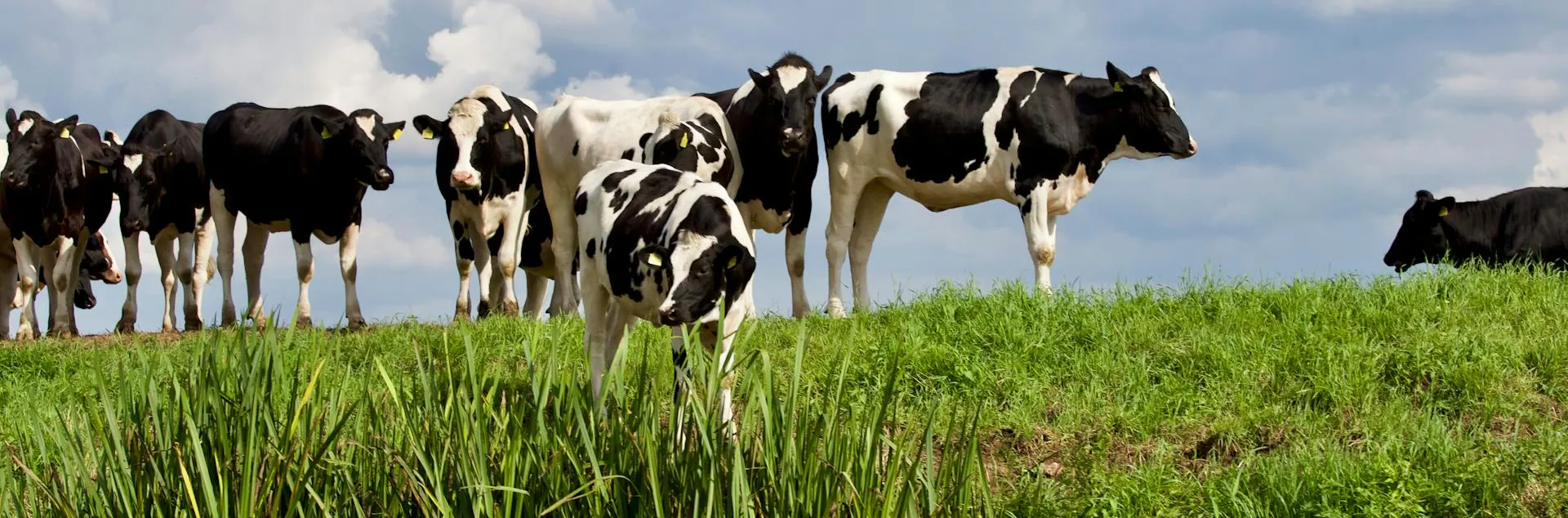
As we prepare for spring and summer planting and look for ways to improve soil health, the question of using manure as a fertilizer comes up. Recently we were asked if it is ok to use the cow “patties” one can find in areas grazed by cows as a garden fertilizer.
First, a few things to know about using manure as a soil amendment. Manure can be an excellent soil amendment and will increase soil fertility, adding nitrogen, phosphorus and potassium, along with some micronutrients and organic material. However, fresh manure can also contain bacteria, weed seeds, or herbicides from lawn or hay crops. Some manures may also contain a high level of salts.
Be careful how you obtain the manure and how long you leave it to cure before planting. Collecting cow manure from animals grazing in open spaces on EBMUD land or other open spaces can be risky to your health and to your plants. Before using, manure needs to be “aged”, which means ideally it will be composted at a high temperature, 113°F to 140°F, for at least 2 weeks to kill any pathogens such as E. coli and Salmonella along with weed seeds. Most home garden compost piles don’t reliably get to this temperature, and so a guideline if you plan to use fresh manure is to wait 6–8 weeks before planting any edible crops. However, aged manure is not the same as composted manure, and it is not safe to assume that pathogens in an aged manure pile have been destroyed. Un-composted manure is also somewhat high in nitrogen (in the form of ammonia) which can burn young plants.
There are other options for obtaining manure. Packaged manures typically are already broken down so you don’t need to wait so long to plant. You can also purchase bulk manure that has already decomposed—but be sure to ask the supplier if that is the case. Any manure you use should come from an herbivore (plant-eating animal). The principal types of manure most readily available to gardeners include steer manure, horse manure and chicken manure. Steer and horse manure may increase the salinity of your soils and harm plants. There is also the danger of weed seeds if you don’t know the source of such manures. Chicken manure contains less salt and has a higher concentration of nutrients than steer manure.
Help Desk of the UC Master Gardeners of Contra Costa County (RDH)