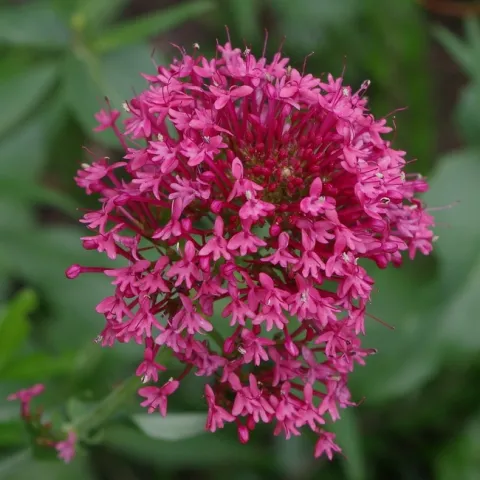
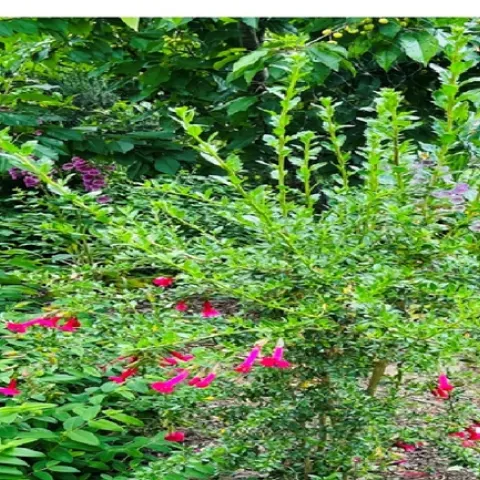
I have two plants in my garden that are magnets for pollinators and butterflies. Both plants put on quite a flower show and are drought tolerant. Given our ongoing issues with water, this latter feature should be priority for all of us.
Most likely, you have been to a garden center and made impulse purchases of plants that struck you as particularly attractive. I've done so myself. Even if you read the label carefully, that plant may lose its luster after a few weeks or decline it's ready for the compost bin.
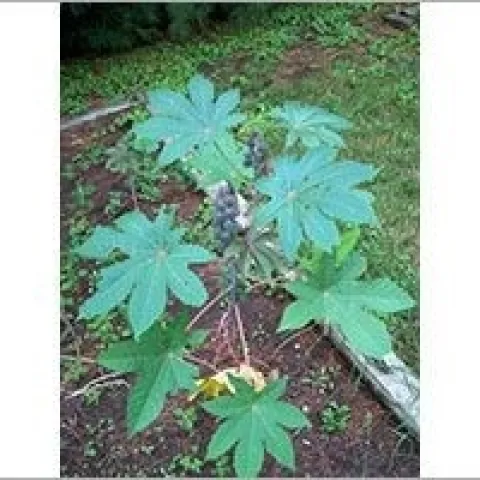
Many of our commonly cultivated house and garden plants contain toxins. During my 35-plus years in veterinary practice, I treated many patients for either known or suspected toxic plant ingestion. For the most part, plants that are poisonous to pets are equally dangerous to children.
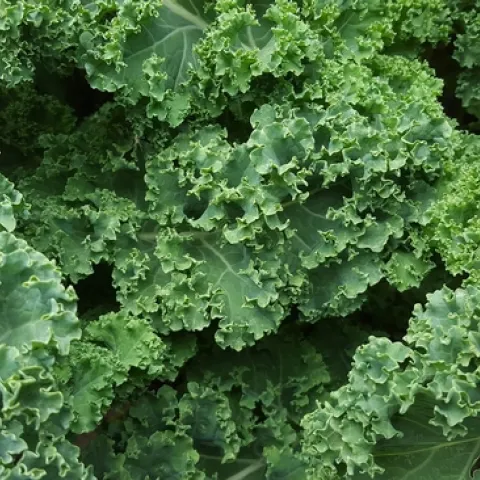
Kale has the reputation of being a superfood. This is one of those vague terms scorned by experts, dietitians and scientists but loved by marketers. Kale is, indeed, high in vitamins and fiber.
Recently a fellow Master Gardener recommended I read Inherited Silence by Louise Dunlap. The book is described as an insightful look at the historical damages early colonizers of America caused and how their descendants may recognize and heal the harm done to the earth and the native peoples.