
This column is written by the Master Gardeners of Yolo County each month. It provides answers to selected questions recently asked by Yolo County gardeners.
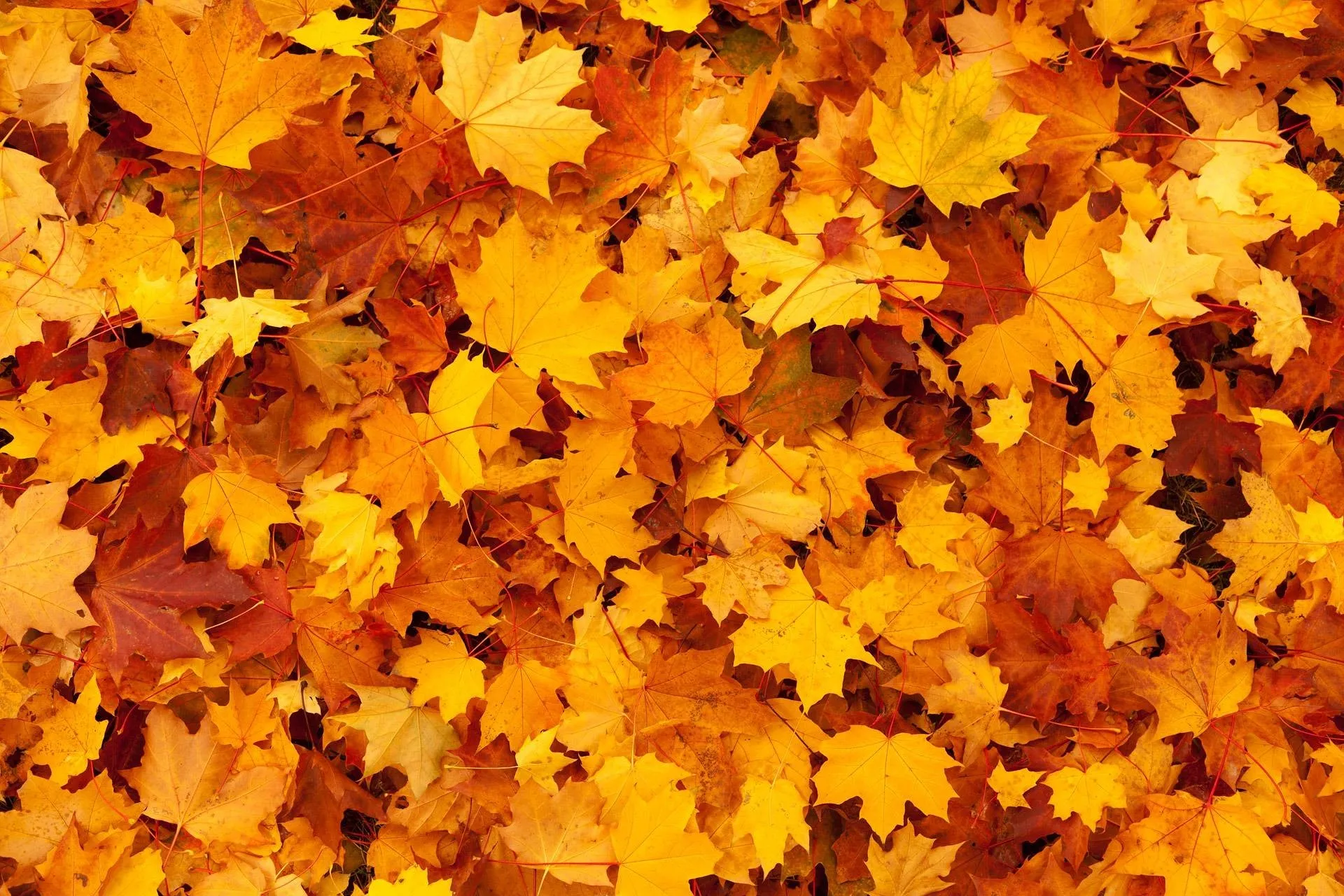
Question: My shade trees have dropped a lot of leaves in my yard. Is there anything I can do with them besides put them in the street for pickup?
Answer: As you probably know, when you leave your leaves on the street, the county picks them up, shreds the material, and puts it through a composting process, and then sells that finished compost to local farmers. Some of the compost is made available free to county residents. Why not keep this valuable nutrient-rich resource, generated from the trees on your property, for use in your own yard and garden? With not too much effort, the leaves from those trees can be used as mulch or as an important ingredient in your own compost.
The most direct use you can make of fallen leaves is as a mulch. There are many reasons to use mulch in your yard and garden. Among other benefits, mulch helps to prevent the growth of weeds, and reduces water evaporation from the soil. An organic mulch, such as leaves, increases the nutrient content of the soil beneath. When using leaves as mulch, keep a couple of things in mind. First, for adequate weed suppression, the mulch layer should be at least three inches thick. Second, remember not to apply mulch directly against plant stems or tree trunks, because this can trap moisture and cause disease or rot. Also, occasionally check that the leaf layer hasn’t become matted, which can keep adequate water from reaching the soil.
With a bit more effort, you can incorporate disease-free leaf litter into compost. For this purpose, compost production is faster if the material is in smaller pieces, so consider running over them with a lawn mower before adding them to a compost pile. The smaller the pieces, the easier it will be for organisms to break them down. You can buy or build many different compost containers, but you can also dedicate a space about three feet square in your yard for a simple compost pile.
When starting your compost pile, make sure to mix an equal amount of “brown,” carbon-rich material such as dry dropped leaves, shredded paper, or cardboard egg cartons, and dried grass, with an equal amount of “green” nitrogen-rich material like green leaves from pruning, fresh grass clippings, and fruit and vegetable scraps. Ideally, you should start with enough material to build a layered pile at least two or three feet high.
Keep in mind that once you’ve started a compost pile, you should no longer add new material to it, because that will slow the decomposition process and add to the compost completion time. The other key to this method is regular turning. The compost pile should be turned, or “mixed,” by moving the material on the outside edges of the pile to the center. This should be done every three days at first and then at least weekly for the best and quickest results. Sprinkle the pile with water to keep it moist as a wrung-out sponge. Using the method described, the compost can be usable in as little as a few weeks to a few months.
So instead of dragging your leaves to the street or stuffing them into the green bin, put them to work for you in your own yard and garden, either as mulch or as an ingredient in compost. The effort is small, but the benefits are substantial.
For more information, see:
UC Master Gardeners of Fresno County’s Backyard Composting
California Sea Grant Extension and UCCE’s Composting
Have a gardening question? Send it to jmbaumbach@ucanr.edu, with “Ask MGs” in the subject line. Include as much detail as possible and pictures if you have them.