
Article by Caroline Gengo -
Heat waves and extra warm days send us inside with the air conditioner or outside in the nearest pool or river. How do our plants deal with these conditions? Plants are typically stuck where they are (unless they are in a pot that you move around) and do not have the luxury of moving to a more comfortable environment as the temperature changes. What’s a plant to do?
Similar to how your dog might pant in the heat and you start to sweat, plants can cool themselves through a process called evapotranspiration. Evapotranspiration is when small pores, called stomata, open up on the plant’s leaves and water evaporates out of them. Higher temperatures result in greater water loss from your plants through evapotranspiration. More frequent deep watering will help support your plants through the hot days. Watering early in the morning or late in the evening, when temperatures are cooler, will ensure that the water has a chance to seep into the soil rather than evaporating. Adding mulch to the garden bed will also reduce evaporation from the soil surface and help keep the water in the soil where your plants can access it. Make sure to ease back up on the watering when temperatures cool down; symptoms of overwatering in plants look very similar to symptoms of underwatering in plants.
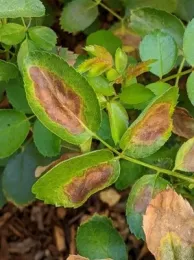
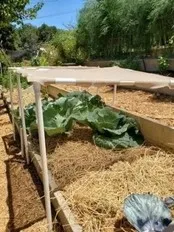
Some plants are more vulnerable to heat stress than others. Newly transplanted or young plants may not have well-established root systems and can suffer when they are unable to take up enough water during heat waves. These plants may need more frequent watering or, in some cases, a shade cloth to reduce temperatures around them. Plants with lots of new growth are also more susceptible to heat stress, as the tender new growth can dry out quickly. Avoid fertilizing before heat waves to prevent excess new growth.
Different types of plants deal with excess heat in different ways. Many of our garden plants are stuck where they are and cannot move to avoid the heat. As the weather warms up, and we head inside or to the nearest body of water, remember to help your plants deal with the heat by supporting their water needs and giving extra TLC to any newly transplanted or rapidly growing plants in your garden.
For more information, see -
UC ANR Fresno Gardening Green article The heat is on!
UC ANR Marin Master Gardeners article on Heat.