
Article by Diana Herrera -
International Permaculture Day, which is celebrated on the first Sunday in May, is a day to practice and observe permaculture in action. So what is permaculture and how can we get involved?
Permaculture is a design method, a set of techniques, a philosophy, and a social movement developed in 1978 by David Holmgren and Bill Mollison that attempts to unify people to one another and to their landscape. The term permaculture is derived from ‘permanent agriculture,’ implying that it aims to develop regenerative systems, but it can be applied to more than just agroecological systems. The design methods and techniques are a framework for the development and management of systems in the behavioral, biological, and built realms, with a focus on integrated systems that can support people while recognizing that people are also land stewards. Permaculture designs strive to mimic natural ecosystems, which have the ability to produce, self-regulate, and cope with disturbances such as climate change.
The three ethics that inform permaculture practices and form the basis for its design principles are (1) care for the Earth, (2) care for people, and (3) fair share. These ethics are the foundation for systems that restore and maintain natural resources, promote strong community development, and limit overconsumption and overproduction. The twelve principles of permaculture can be applied to designs in a diverse array of environments, scales, and cultures. The permaculture ethics and design principles are often represented with the following graphic, which shows the three ethics at the center of the twelve principles described below.
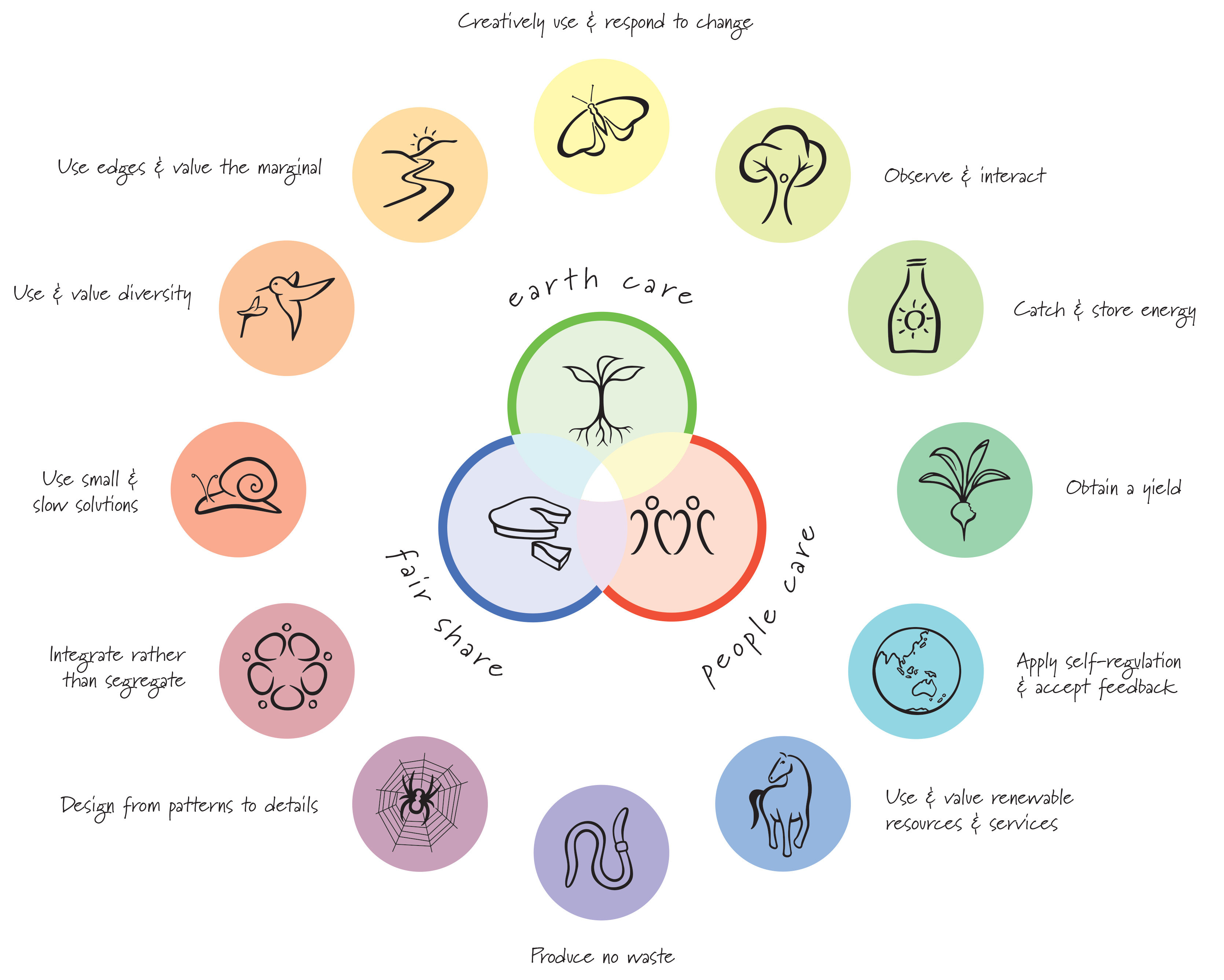
1. Observe and interact
Designing systems that seek to develop a harmonious relationship with nature requires us to provide careful observation and thoughtful interaction. Noticing patterns and building a repertoire can inspire the designs with which we maintain continuous interaction. Holmgren compares this interaction to the way that plants use their root systems to find water, nutrients, and symbiotic relationships with other organisms. He also compares it to animals using their senses to find the resources that they need, interact with their kin, and understand their predators. This principle is a reminder to look at problems holistically and seek creative ways to solve them.
2. Catch and store energy
This principle encourages us to make use of surplus resources such as food and energy whenever they are available so that our systems can sustain us during disruptions or scarcity. Sources of energy include not only things like sun, wind, and water flows, but also fertile soil, seed banks, and information systems. Taking advantage of opportunities to capture renewable and non-renewable energy can help us build human capital and restore natural resources. This is like using our existing wealth to make a long-term investment in ourselves and nature.
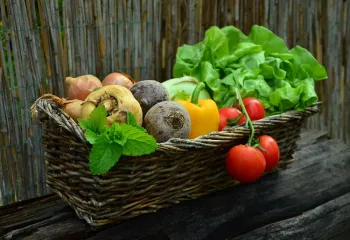
Image by congerdesign from Pixabay.
3. Obtain a yield
A yield is a reward that motivates maintenance, replication, and success of a productive system. Mollison promoted productive urban landscapes that provide useful plants and food instead of useless, resource-intensive ornamentals. Our modern lifestyles have cut us off from sources of sustenance, which are our real measures of success and affluence.
4. Apply self-regulation and accept feedback
This principle is closely linked to the ethic of fair share, which sets limits to consumption and reproduction. While obtaining a yield is an example of positive feedback, maintaining balance by limiting inappropriate growth is negative feedback. This kind of feedback is seen in nature, for example, when predators hunt prey and, as a result, help maintain balance in their ecosystem. In gardening, creating harmonious and self-regulating designs such as plant guilds can help reduce activities like pest control, soil management, and weeding.
5. Use and value renewable resources and services
Renewable resources are replaced by natural processes over time without large amounts of mined minerals or fossil fuels. Renewable services are benefits we receive from animals, plants, water, and soil without consuming them. Holmgren says that renewable resources should be seen as our sources of income, while non-renewable resources should be thought of as capital assets. He reminds us that burning through our capital assets for day-to-day living is unsustainable.
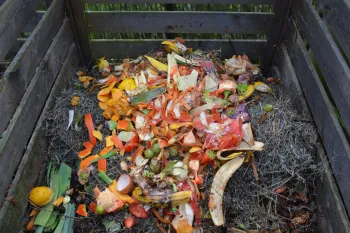
Image by Ben Kerckx from Pixabay.
6. Produce no waste
Caring for material goods and being mindful of depleting resources and pollution allows us to shift our perspective from viewing waste as an undesirable byproduct to a useful resource. We can make our systems more efficient and beneficial to individuals, society, and nature by replacing the linear input-output model of industrial processes with a circular model that recycles materials the way nature does. In nature, the output of one organism or process is the input for another.
7. Design from patterns to detail
Look at the big picture before getting into the details. Recognizing appropriate patterns for a design is more important than knowing every detail of each element. For example, in gardening, environmental factors like sunlight, water, and wind have regional and site-specific characteristics that we should understand in order to help us develop a functional system.
8. Integrate rather than segregate
Bill Mollison says that the purpose of a functional and self-regulating design is to place elements in such a way that each serves the needs and accepts the products of other elements. Permaculture teachings emphasize that in designing self-reliant systems, each element should perform many functions and each important function is supported by many elements. Cooperative and symbiotic relationships are more resilient and adaptive.
9. Use small and slow solutions
Large-scale systems and fast processes can be energy-intensive and detrimental to communities and systems in the long run. Holmgren cites many examples of how industrialized or technology-centered processes are like a Trojan horse. For instance, chemical fertilizers may generate a fast response from crops initially, but create a number of problems for soil health, water contamination, and even human health. Conversely, using compost and manure as fertilizer minimizes waste and balances soil health and plant nutrition.
10. Use and value diversity
Biodiversity is a characteristic of a resilient system capable of absorbing disturbances and reorganizing while experiencing changes so that it can maintain its function. In agriculture, we can see that monocultures, which lack diversity, are susceptible to diseases, pests, and depletion of soil nutrients–problems which then demand a lot of energy and chemicals to manage. By contrast, polycultures are more capable of withstanding disturbances, improve self-reliance, and generate a wider array of services and goods.
11. Use edges and value the marginal
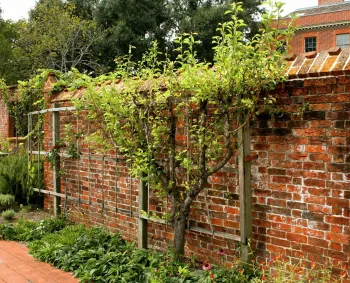
Holmgren points out that edges are dynamic and productive parts of all natural systems where exchange of materials and energy takes place. Keyhole garden beds, for instance, reduce work and increase access to the gardening space, which allows for more interaction and observation. Elements that indirectly support or contribute to a system are still very valuable.
12. Creatively use and respond to change
The sustainability of living systems and culture often depends on their ability to adapt rather than remain in a fixed state. This principle focuses on using change in a symbiotic and intentional way and also responding in creative ways to factors that are out of our control.
This is just a brief overview of the principles that permaculture is based on. There is so much to learn, share, and practice in this philosophy. Many of us may already apply some permaculture methods to our gardens or homes. If you would like to learn more about permaculture, there are many free, introductory resources at What is Permaculture? including The Essence of Permaculture by David Holmgren, available in several languages. There are also immersive permaculture design courses taking place throughout the country year-round, as well as a worldwide permaculture network that allows individuals to connect with one another, local farms, share information, or get involved in projects.