Spring in Stanislaus County is a season of renewal and growth. The Central Valley’s mild spring temperatures, lengthening days, and fertile soils make it one of the best times of year to establish vegetables, herbs, flowers, and fruit trees. But a productive garden doesn’t start when you put seeds in the ground — it begins weeks, even months, before planting day.
By following a few simple steps, you can create a healthy, resilient garden that thrives through the season and beyond. This guide covers four essential steps: preparing soil, selecting plants, setting up irrigation, and managing pests.
Preparing Garden Soil
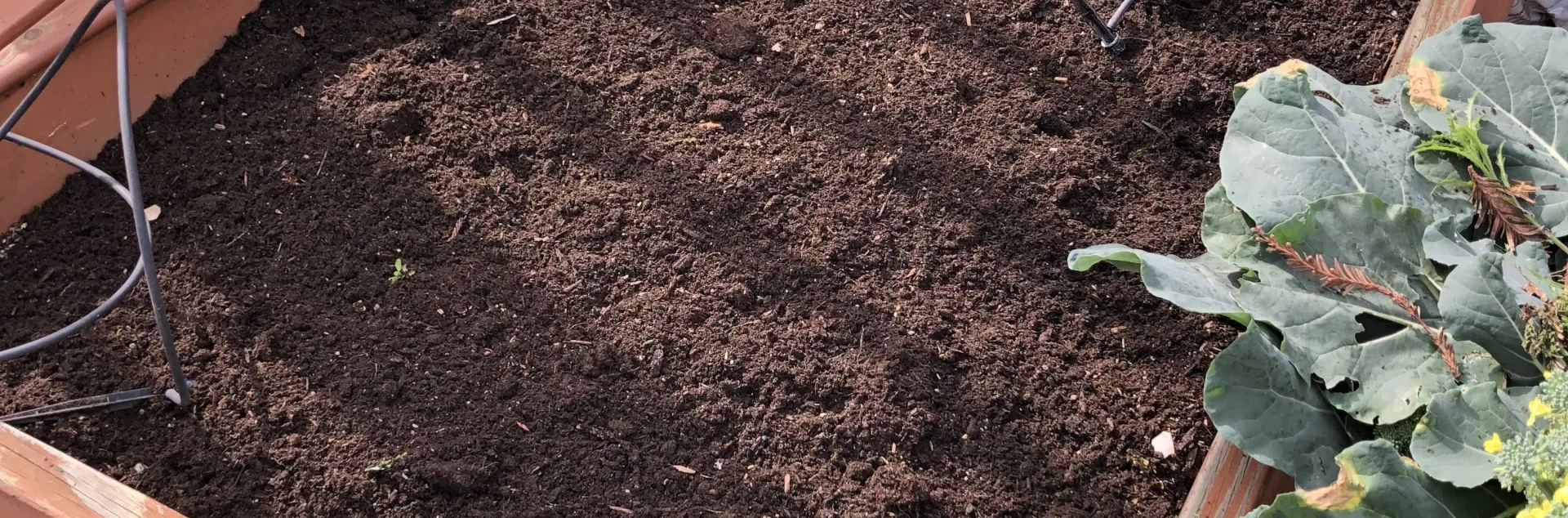
Healthy soil is the foundation of every successful garden. In Stanislaus County, soils range from sandy loam to heavy clay, and each type has unique challenges. All soil types can benefit from incorporating organic matter. Adding 2–4 inches of compost or well-aged manure improves soil structure, boosts beneficial microbial activity, and enhances water retention. Compost helps break up compaction, in clay soils, improving drainage and aeration. Compost increases sandy soil’s ability to hold water and nutrients.
Avoid Over-Tilling
While loosening soil is important for root growth, excessive tilling can damage soil structure and beneficial organisms. Once your soil is in good condition, limit disturbance to preserve its health.

Mulch for Moisture and Weed Control
A 2–3-inch layer of mulch — such as shredded bark, straw, or leaves — helps regulate soil temperature, conserve moisture, and suppress weeds. In spring, mulch also protects seedlings from sudden temperature swings.
Prepare Pots
Pots, use a potting mix labeled for your chosen plant.
Select the Right Plants
Choosing plants suited to Stanislaus County’s climate reduces water use, minimizes pest problems, and increases yields.
Vegetables: Warm season crops benefit from an early start indoors with a grow light or in a greenhouse. Transplants can give you a head start. Tomatoes, peppers, cucumbers, squash, beans, and melons tolerate our hot Mediterranean climate. When planting vegetables, keep in mind the anticipated yield per plant and plant what you will reasonably use or give away. Zucchini may thrive in your garden, but one plant may provide enough for a family.
Herbs: It’s time to start basil, an annual that does well until warm weather ends. Perennial herbs like rosemary, thyme, and oregano do well in spring, but can be planted year-round. Annual herbs like cilantro and parsley prefer cool weather, so wait to plant these until fall.
Annual Flowers: Marigolds, zinnias, cosmos, sunflowers are all excellent for attracting pollinators and tolerate heat well.
Incorporate Natives and Drought-Tolerant Plants
California natives like buckwheat, ca fuchsia, and ceanothus, thrive with less water once established. They also support native pollinators.
Set Up Irrigation
Water efficiency is critical in our climate, especially with ongoing conservation needs. To minimize water use, UCANR recommends drip systems for vegetable and flower beds. They deliver water directly to the root zone, reducing evaporation and runoff, and keeping foliage dry to prevent fungal diseases. If you have an existing conventional sprinkler system, investigate converting key areas to drip.
Water Deeply and Infrequently
Deep watering encourages strong root systems. In spring, water less often than in summer, checking soil moisture several inches below the surface before irrigating again.
Inspect Your System
Before planting, flush drip lines, check for clogs, and replace damaged emitters to ensure even coverage.
Manage Pests using Integrated Pest Management (IPM)
Spring growth attracts pests, but UCANR’s Integrated Pest Management (IPM) approach focuses on prevention and minimizes pesticide use. The website offers pest notes with options for controlling specific pests. Options include encouraging beneficial insects such as lady beetles, lacewings, and parasitic wasps that help control aphids, caterpillars, and other pests. Planting nectar-rich flowers supports these allies; practicing good garden hygiene by removing weeds, fallen leaves, and plant debris that can harbor pests and diseases.
Additional information and resources:
UC Master Gardener Preparing for Planting
The Stanislaus Sprout Planning and Prepping for Spring Planting
Barbara Kissinger Santos has been a Stanislaus County Master Gardener since 2024