UC ANR is committed to providing an accessible and inclusive web experience for all users. If you encounter an accessibility barrier or need content in an alternative or remediated accessible format, please contact anraccessibility@ucanr.edu.
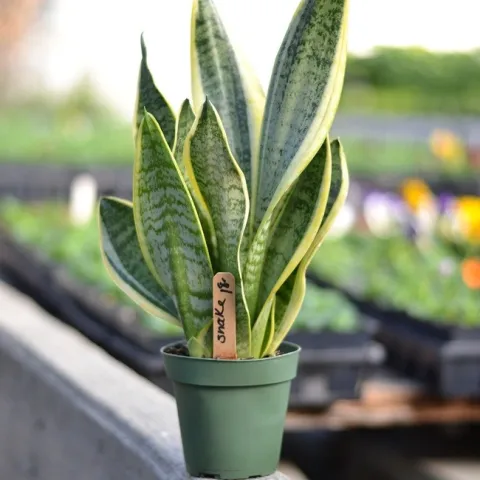
Light is probably the most important factor for indoor plant growth. In most houses, it's probably the most limiting factor as well. To add to the problem, light levels begin to dwindle in fall as the days become shorter.
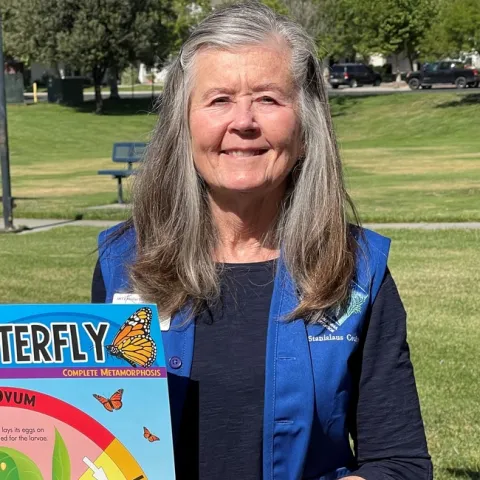
The Autumn Equinox signals a time of change in the seasons. The weather becomes cooler, the days shorter, skies turn a softer blue with occasional clouds, summer vegetable gardens are finishing up, and deciduous trees change colors and drop their leaves.
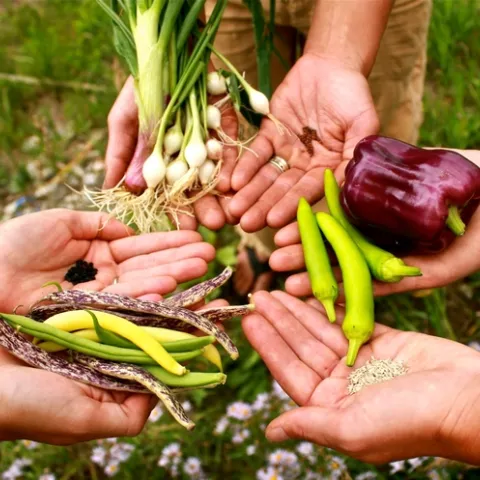
Hello, we hope to see you at our Seed Saving class next Tuesday. This will be our final class for 2021. Learn which vegetable seeds you can save to plant next year, how to save them, and how to store your seeds for the future. Registration is open now.
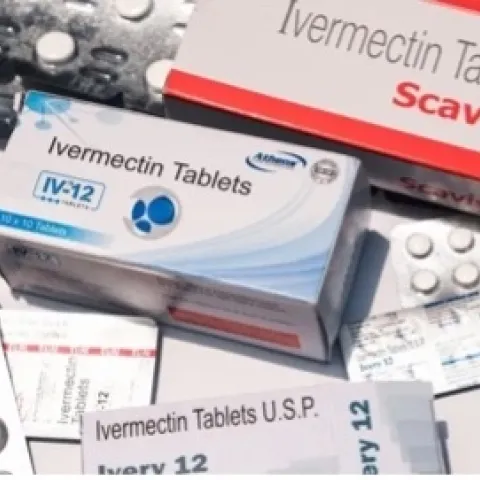
The Centers for Disease Control and Prevention issued a Health Advisory recently in response to increased reports of illness associated with products containing the pesticide ivermectin.
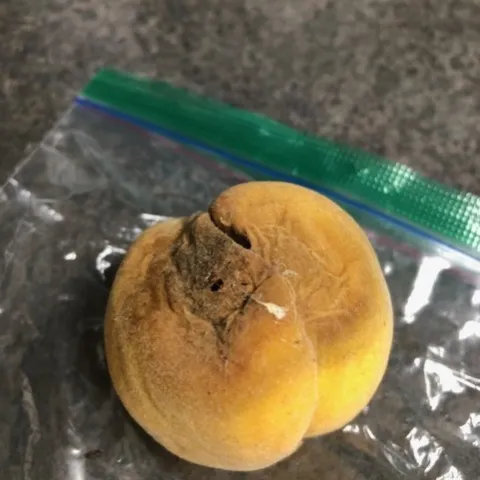
One of the most troublesome and difficult to control insect pests of ripe peaches, nectarines and figs is the dried fruit beetle, sometimes called the sap beetle. The pest is common this time of the year, feeding at the stem end of peaches and nectarines, causing the fruit to drop to the ground.