
Introduction
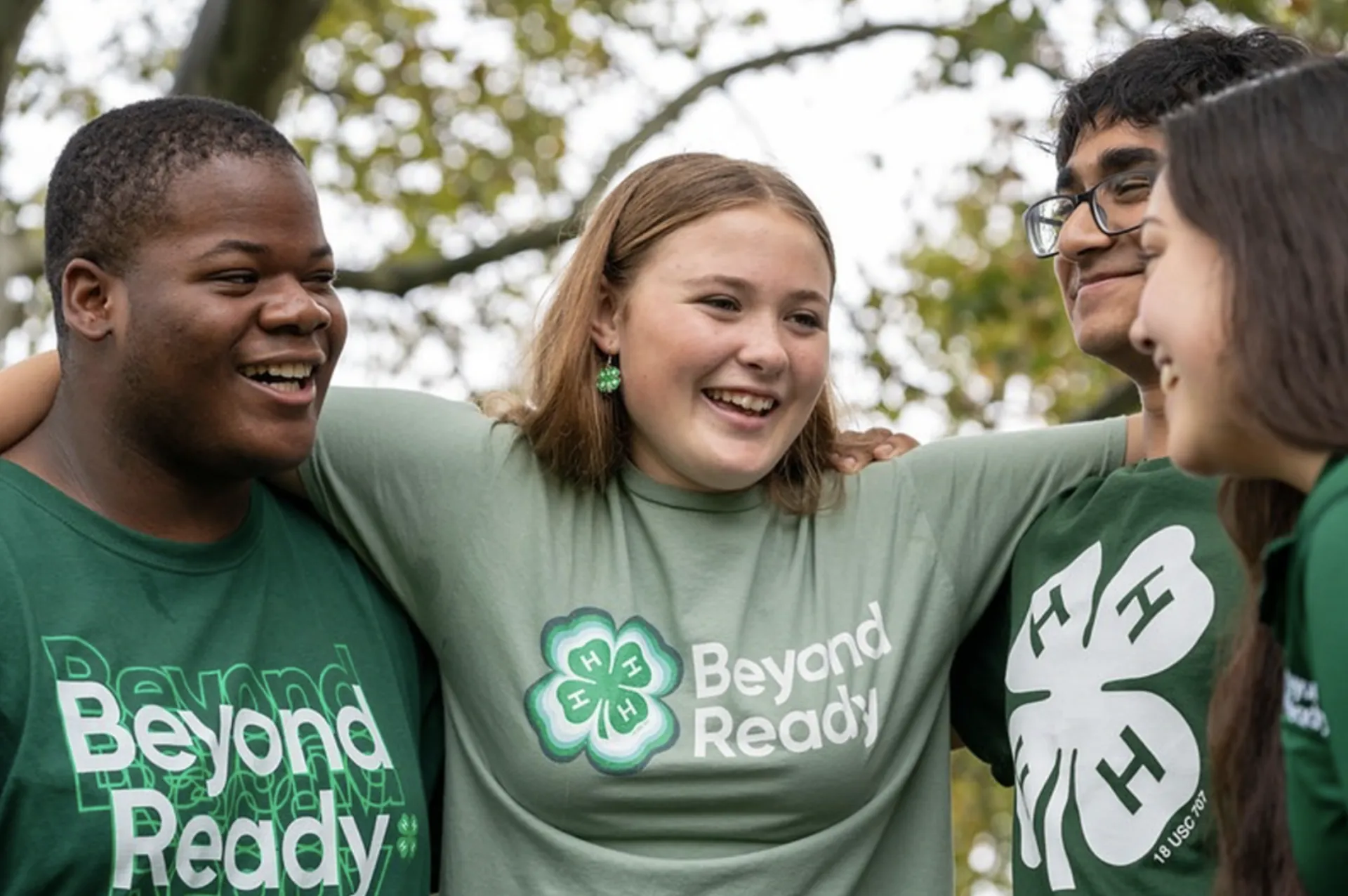
For the past two years, the University of California Cooperative Extension 4-H Youth Development program has been exploring how to collaborate with after school partners to provide high quality programming for youth not in a 4-H club. As California communities continue to change and diversify, finding new ways to deliver 4-H programming to diverse clientele becomes an important part of achieving a “beyond ready” generation of youth. One way to deliver 4-H programming to new youth clientele is by partnering with afterschool programs who may benefit from 4-H programming on science, technology, engineering, math (STEM), and healthy living.
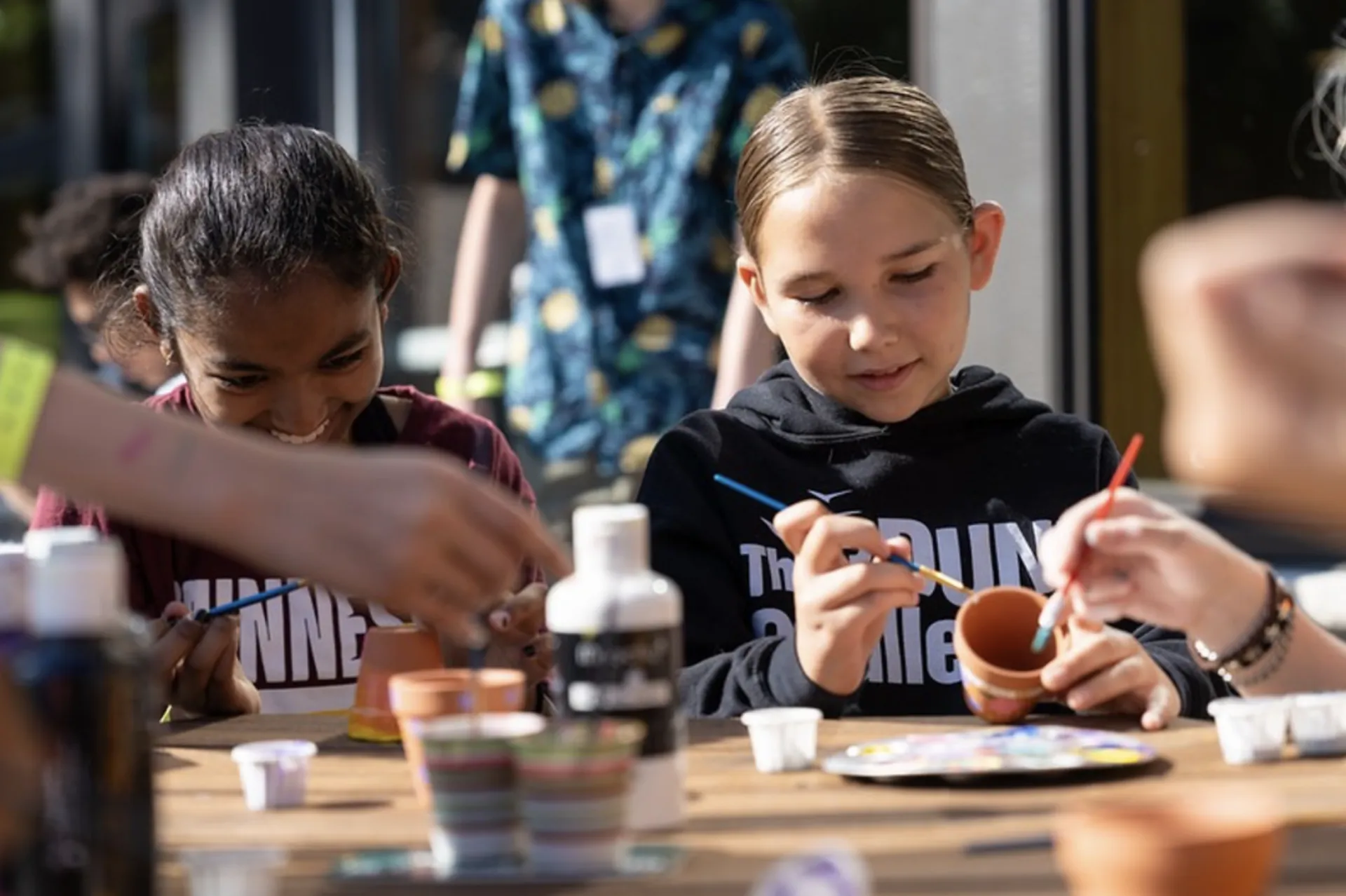
Expanded Learning (ExL) refers to after-school, summer, and non-school-day spaces where youth can develop new skills, knowledge, and feelings in a nurturing developmental context (Arnold and Gagnon, 2020). For example, partnerships can be formed with schools, school districts, Boys and Girls Clubs, YMCAs, recreation departments, and other youth-serving organizations. By partnering with these organizations, 4-H can increase the number of youth that get exposure to high quality youth development experiences in STEM and healthy living.
In California, the statewide 4-H program sponsored an expanded learning mini-grant to CA 4-H professionals who wished to partner with youth organizations in providing 4-H programming in out-of-school time. As part of the mini-grant project, we collected qualitative interviews of 4-H community education specialists and partner organization staff to learn about how partnerships are formed and sustained. Key emergent themes included:
- Securing the Partnership
- Partnership Architecture
- Capacity and 4-H Staff Support
- Logistics
- Youth Engagement
- Motivation for Expanded Learning Programming
From this work, we created a Fact Sheet, titled “Growing 4-H with Expanded Learning Partnerships.” We hope the content will prove useful as your 4-H program considers factors that can relate to working with new community partners, such as after school programs.
EXTERNAL IMAGE
An Applied Example
Suppose your local 4-H program seeks to grow the number of youth it serves and decides to meet with the after school site director to discuss a potential partnership. During this meeting, the director shares about their need for more garden education youth programming. The 4-H educator takes notes and asks questions about their capacity, scheduling, and other logistical details.
Later, the 4-H educator returns to their Extension office and debriefs with the 4-H team. The educator asks the 4-H team about their capacities, programming areas of interest, and program goals of reaching new youth audiences in an after school context. After receiving positive news from the 4-H team, the educator decides that at their next follow up meeting with the director, they would propose a partnership between 4-H and the school to implement the 4-H Junior Master Gardener program. To increase clarity, the 4-H educator recommends writing down an agreement that outlines what responsibilities 4-H will provide and which responsibilities the afterschool program will provide.
This example above illustrates one way that 4-H may consider growing its reach into the community through partnering with local after school programs. Upcoming posts in this six-part series will explore key considerations for building strong partnerships: 1) Securing the Partnership, 2) Partnership Architecture, 3) Capacity and 4-H Staff Supports, 4) Logistics, and 5) Youth Engagement.
Stay tuned for our next blog post!