
Introduction
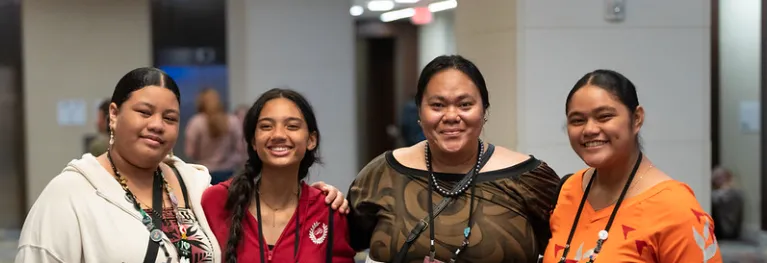
4-H partnerships with expanded learning programs can help transform the lives of thousands of young people. These partnerships teach youth new skills and interests (Rudd and Brower, 2013), building generations that are ready for their futures. By extending 4-H opportunities beyond traditional 4-H club settings, these partnerships can help youth explore new topics, find their spark, and pursue meaningful pathways for learning and life!
Our previous post highlights the value of partnering with expanded learning programs; this one focuses on the process of securing a new partnership. Establishing a new partnership can be both rewarding and daunting, especially if you haven’t done so before or are connecting to a new community. The following steps will guide you from identifying prospective partners all the way to finalizing the agreement.
Step by Step Overview
- Budget ample time. Plan for long timelines, buy-in challenges, and bureaucracy.
- Understand your program requirements. Know your institution’s guidance around audiences served, content taught, hours delivered, supply and staff budgets, etc.
- Identify potential partner organizations. Look up afterschool programs in your county (e.g. Girls, Inc; Boys & Girls Clubs; and YMCA programs). Consider your demographics, site goals, and commute times.
- Establish a connection. Identify your top three choices of partner organizations. Start by calling or emailing your first choice. If you don’t hear back within 3-5 days, send a follow up. If communication remains difficult, move on to another option. Clear and timely communication helps partnerships start strong.
- Find the champion(s). Once you connect with an organization, engage the site decision-maker and the on-site daily lead. Learn about their work, communication preferences, and availability. Identify your primary point of contact.
- Identify their priorities. Ask what they seek in programming. What has gone well in the past? What kinds of challenges have they faced? What are their goals and constraints?
- Share what you can offer. Be clear about the curriculum you can provide, whether you can offer direct instruction or train staff, who will purchase supplies, and any 4-H requirements on your end (hours delivered, numbers and/or ages of youth served, content taught).
- Choose a curriculum together. Select or customize a curriculum that aligns with the partner’s needs, age group, schedule, and space. You may also leave curricula for partners to review.
- Agree on logistics. Ensure both parties know what will be needed during the program (e.g. delivery space, storage, supplies, behavior support, enrollment). If unexpected needs arise, communicate them effectively.
- Determine roles and responsibilities. Decide who is responsible for each piece of the program. Discuss:
- Discuss supplies. Who provides, purchases, stores, and restocks them?
- Discuss instruction. Who teaches, who needs training, who trains, and what are youth-adult ratios required? Who needs to be fingerprinted?
- Discuss dates and times. What will be the dates, times, and lengths of each lesson?
- Discuss enrollment and attendance. How will enrollment and attendance be tracked?
- Discuss photography. Do you need to sign photography waivers?
- Calendar the relationship. Once you have agreed on the logistics, put the lesson dates in your calendars. Include check-ins before the program launch, a training if necessary, and add weekly or bi-weekly check-ins throughout the program delivery period so you can troubleshoot issues as they emerge.
- Establish a way to communicate. Decide what the preferred method of communication is (e.g. text, phone call, email) and communicate frequently, openly, and honestly.
- Draft, share, and sign a lightweight (informal) partnership agreement. A brief, one-page agreement outlining supplies, content, timelines, responsibilities, and communication expectations can prevent misunderstandings and support a smooth program launch.
Why this Matters
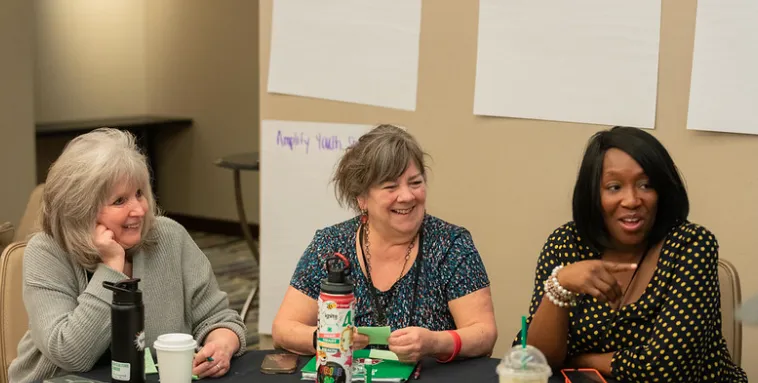
Every partnership is unique, so you may need to modify your process. Partnerships are strong when both sides work together and share a clear understanding of the program as well as one another’s roles and responsibilities. By discussing logistics early and establishing frequent times to touch base, you and your partner organization can forge a lasting partnership, which in turn will support the youth in your community! In our next blog post, we look more closely at staff capacity, and what to consider when delivering a program with many moving pieces.
Please read the Fact Sheet: Growing 4-H with Expanded Learning Partnerships to learn more about how to create successful partnerships with afterschool programs.