Archive Nut, Prune and Olive Programs

Newsletters

 Newsletter Articles:

May 2025Archived
Field picture submitted by Elizabeth Fichtner

 Links

Publications

Primary Image
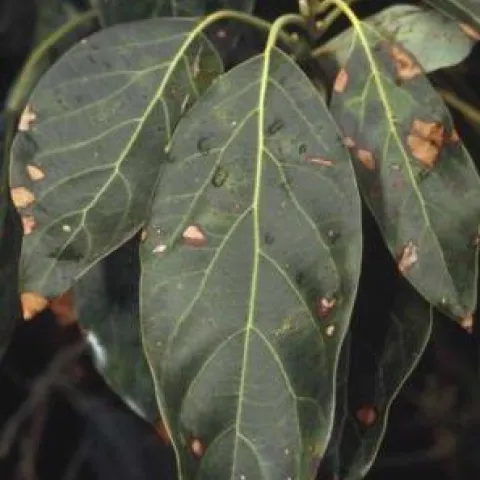
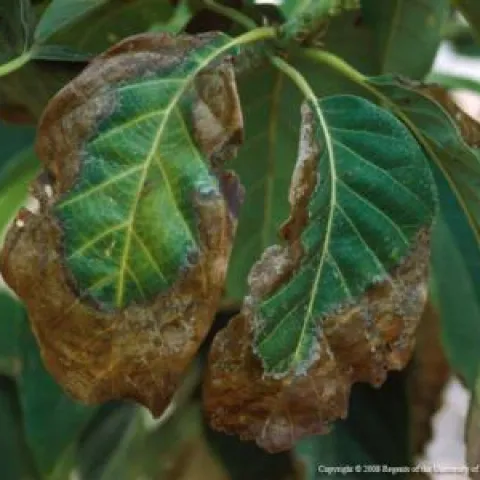
spotted leaf blight
Topics in Subtropics: Article

Watch Out in a Drought - Leaf Blight Can Become Severe

March 11, 2014
By Ben A Faber
I recently went out to an avocado orchard on sandy soil that had had sudden leaf drop after a Santa Ana condition. The problem is that the orchard had had an ongoing leaf blight problem that had been accentuated by two years of drought and with the Santa Ana more pressure had been put on the trees.
View Article
UC Weed Science (weed control, management, ecology, and minutia): Article

Use of glyphosate (Roundup) to control field bindweed in blackberries

March 11, 2014
By Steven A Fennimore, Mark P Bolda
From the UC Strawberries and Caneberries blog :: Sept. 11, 2013 Field bindweed, Convolvulus arvensis, also known locally as morning glory, is a persistent weed pest in blackberries grown on the Central Coast of the California.
View Article
Primary Image
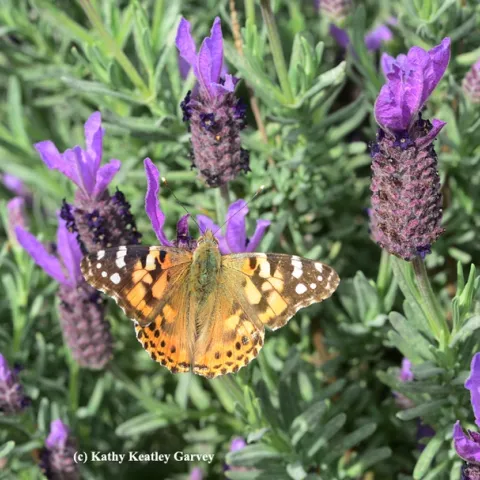
A female butterfly, a painted lady, nectaring on Spanish lavender on March 8 in the Benicia Community Garden. (Photo by Kathy Keatley Garvey)
Bug Squad: Article

Welcome Back, Painted Ladies

March 10, 2014
By Kathy Keatley Garvey
The painted ladies are on move. Butterflies. Scores of painted ladies (Vanessa cardui) are now migrating north from their overwintering sites near the U.S. Mexico border.
View Article
Colusa County: Article

Walnut Orchard Notes

March 10, 2014
In this issue: Understanding & Managing Botryosphaeria and Phomosis canker and blight in Walnuts Field Meeting Training Young Walnuts: No Pruning/Pruning Compared Save the Date! Irrigation Scheduling & Drought Mgmt Strategies Meeting...
View Article
Primary Image
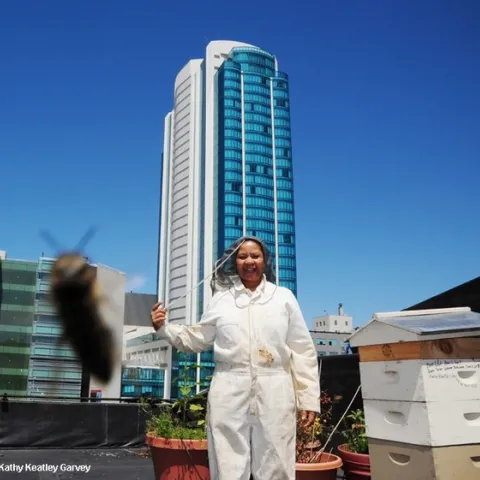
Queen Turner inspects the beekeeping operation on the rooftop of the San Francisco Chronicle. Turner completed a 10-month stay in the U.S. and returned to Botswana where she is head of the beekeeping section of the Ministry of Agriculture in the Botswana government. (Photo: Kathy Keatley Garvey)
Bug Squad: Article

Just Bee-Cause

March 7, 2014
By Kathy Keatley Garvey
In recent years, honey bees received neither recognition nor respect until commercial beekeeper David Hackenberg of Pennsylvania/Florida sounded the alarm in 2006 about his missing honey bees.
View Article
UC Weed Science (weed control, management, ecology, and minutia): Article

Co-existence of RR and Conventional Hay Fields

March 7, 2014
By Michelle M Leinfelder-Miles
From the Alfalfa & Forage News blog :: Oct. 25, 2013 Written by Michelle Leinfelder-Miles At the Alfalfa and Forage Meeting held at the Kearney Agricultural Center in September, we provided a demonstration of the co-existence of Roundup Ready (RR) and conventional alfalfa hay fields.
View Article
Primary Image
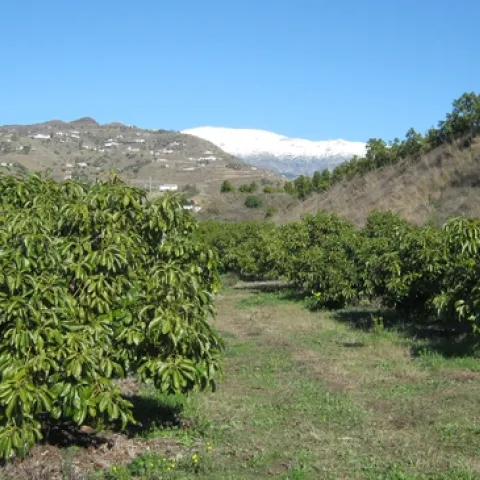
Spanish avocados
Topics in Subtropics: Article

The Spanish Avocado Industry

March 7, 2014
By Ben A Faber
I recently traveled to the Malaga area of Spain where there is quite a bit of new planting going on. The industry celebrated its industry in 2002 with the World Avocado Congress and we saw a considerable expansion of the industry then and more has occurred since then.
View Article
Primary Image
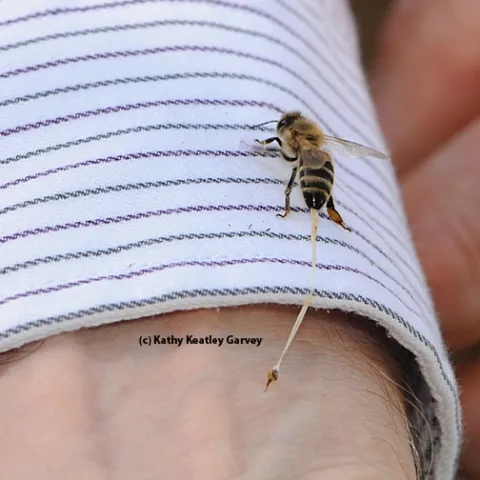
This honey bee, in the process of defending her hive, is stinging Extension apiculturist Eric Mussen of UC Davis. That's her abdominal tissue being pulled out. (Photo by Kathy Keatley Garvey)
Bug Squad: Article

Why Bee Stings Can Be Deadly Serious

March 6, 2014
By Kathy Keatley Garvey
The Daily Mail, UK, recently reported a tragic case of a fatal bee sting that occurred in a back yard in Hampton, near Solihull, West Midlands, England. A honey bee apparently stung a 47-year-old father on his foot and he went into anaphylactic shock.
View Article
Primary Image
Leafcutting bees heading home to their condo. (Photo by Kathy Keatley Garvey)
Bug Squad: Article

Go Native! Be a Native Bee 'Beekeeper'

March 5, 2014
By Kathy Keatley Garvey
If you're yearning to be a backyard beekeeper, "go native." "Go native" with native bees, that is. Many folks are building or buying bee condos to provide nesting sites for blue orchard bees (Osmia lignaria) and leafcutting bees (Megachile spp.).
View Article