Archive Nut, Prune and Olive Programs

Newsletters

 Newsletter Articles:

May 2025Archived
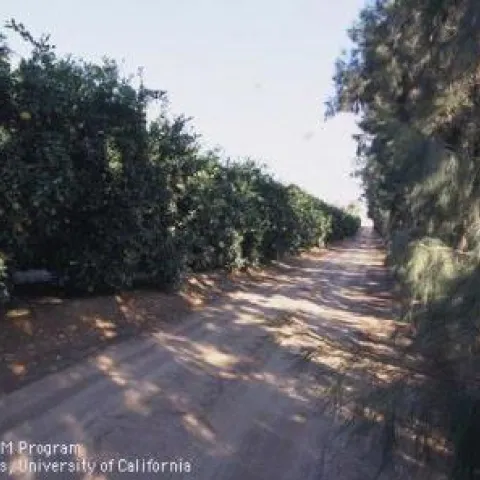
Field picture submitted by Elizabeth Fichtner

 Links

Publications

UC Weed Science (weed control, management, ecology, and minutia): Article

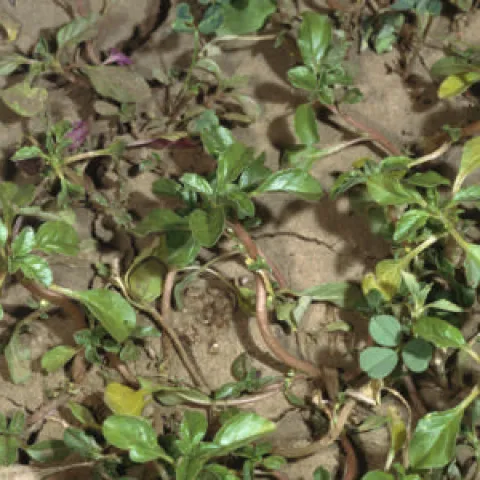
New way to manage weeds in caneberry growing tunnels

July 26, 2013
By Cheryl A Reynolds
Rather than applying herbicides, try a cover crop to prevent weeds in anchor rows. Cover crops in anchor rows can suppress weed growth and additionally help to minimize soil erosion and nutrient and sediment loss when it rains.
View Article
Primary Image
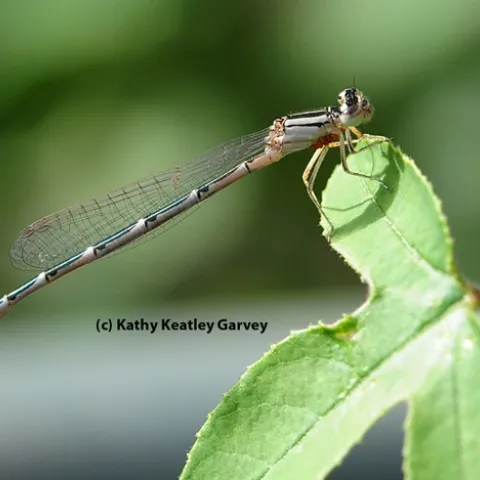
Damselfly, with water mites attached, lands on the leaf of a passion flower vine. (Photo by Kathy Keatley Garvey)

Mighty Mites on a Damselfly

July 25, 2013
By Kathy Keatley Garvey
It pays to have a pond. A pond attracts dragonflies and damselflies. Last weekend, though, we spotted a damselfly a good 65 feet away from our pond. It touched down on our passion flower vine (Passiflora). Lights, camera, action...
View Article
Primary Image
California dogface butterfly is illustrated on the California State Fair monorail. (Photo by Kathy Keatley Garvey)

Ridin' the Rails With a Butterfly

July 24, 2013
By Kathy Keatley Garvey
Quick! What butterfly is depicted on the California State Fair monorail train? Hint: It's the state insect. "What, we have a state insect?" you ask. Yes, and it's the California dogface butterfly (Zerene eurydice).
View Article
Primary Image
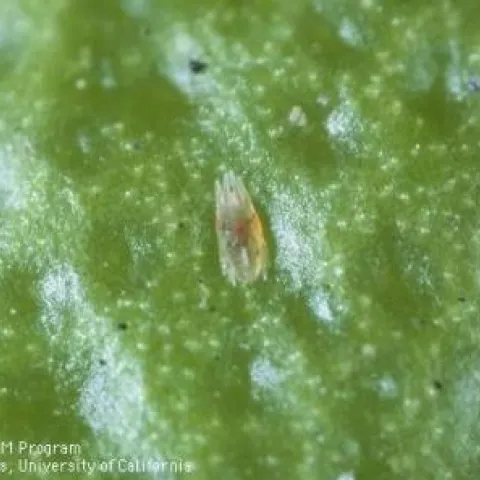
Brevipalpus
Topics in Subtropics: Article

Brevipalpus Mites and Citrus Leprosis Virus Disease

July 24, 2013
By Ben A Faber
Brevipalpus mite species belong to a larger group or family of mites the Tenuipalpidae, referred to as flat mites. The genus Brevipalpus is considered the most important one in the family. The mites are small ranging in size from 200-400 micrometers in length, flattened and frequently red in color.
View Article
Primary Image
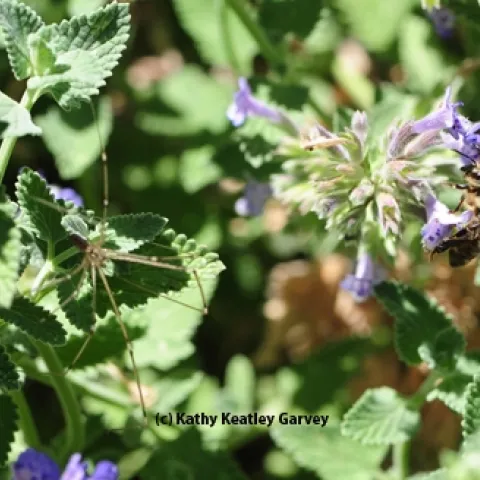
A cellar spider eyes a honey bee in the catmint (Nepeta). (Photo by Kathy Keatley Garvey)

All Wrapped Up

July 23, 2013
By Kathy Keatley Garvey
Just call it a missed opportunity. Catmint (genus Nepeta) draws scores of insects, from honey bees to leafcutter bees to European wool carder bees. It also draws spiders. We usually see a cellar spider (family Pholcidae) trapping prey in its web.
View Article
Primary Image
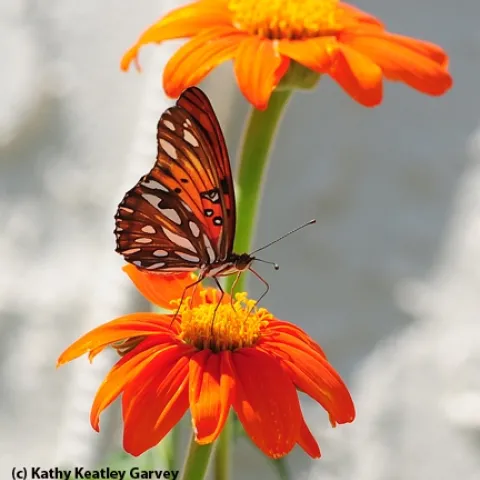
Gulf fritillary butterfly. Agraulis vanillae, lands on Mexican sunflower, Tithonia. (Photo by Kathy Keatley Garvey)

Touchdown! At Last!

July 22, 2013
By Kathy Keatley Garvey
For months, I've been waiting ah, so patiently (well, not always s-o-o-o patiently) for the gulf fritillary butterfly to touch down on our Mexican sunflower, Tithonia. A perfect match, I figured.
View Article
Primary Image
windbreak
Topics in Subtropics: Article

Water competition

July 22, 2013
By Ben A Faber
Along the coast, it is very common to see windbreaks protecting the citrus and avocado groves. Invariably the first two rows next to the eucalyptus trees are shorter and less thrifty than the citrus further away from the windbreak.
View Article
Primary Image
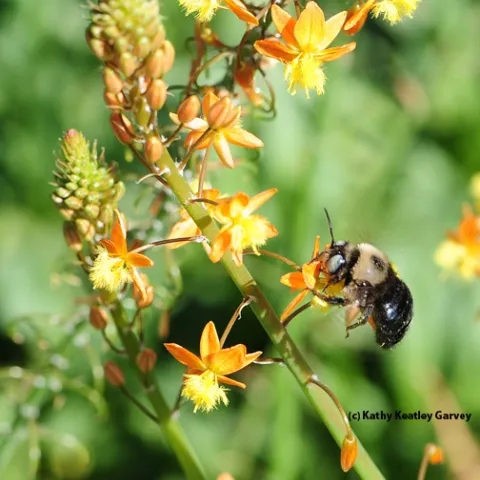
A male mountain carpenter bee, Xylocopa tabaniformis orpifex, nectaring on bulbine. (Photo by Kathy Keatley Garvey)

Big on the Bulbine

July 19, 2013
By Kathy Keatley Garvey
Look at the Xylocopa on the Xanthorrhoeaceae. If that sounds like a mouthful, think of the mountain or foothill carpenter bees, Xylocopa tabaniformis orpifex, on bulbine from the genus Bulbine in the family Xanthorrhoeaceae.
View Article