Archive Nut, Prune and Olive Programs

Newsletters


 Newsletter Articles:

May 2025Archived


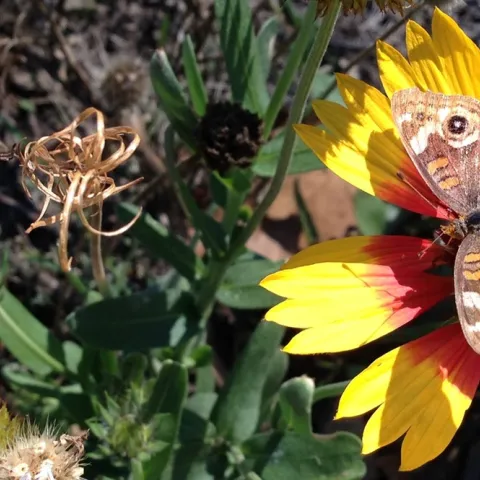
Field picture submitted by Elizabeth Fichtner

 Links


Publications

Primary Image
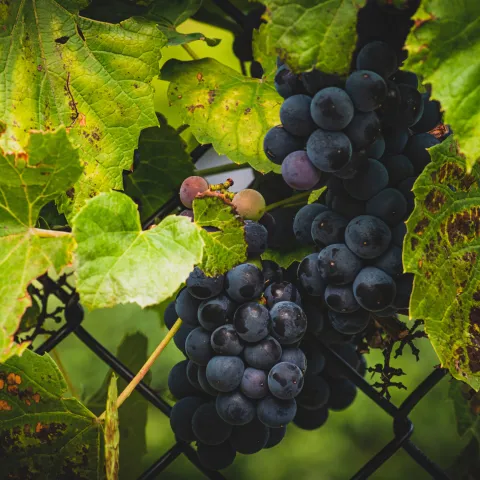
grapes
UC Marin Master Gardeners: Document

Grapes

 Scientific Name Vitis vinifera (wine grapes)  Vitis labrusca (table grapes) General Information Grapes are divided into table grapes and wine grapes. Many varieties available. Some have multiple or secondary uses, ie juices or jellies. Hybrids are typically grown for table grapes, juice, or jelly…
View Document
Primary Image
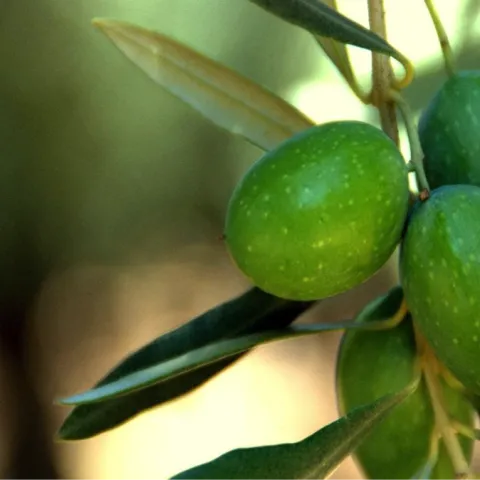
Photo: website “UCANR”, Manzanillo Olive
UC Marin Master Gardeners: Document

Olive

 Scientific Name Olea europea General Information The olive is a subtropical evergreen tree with gray-green elongated leaves that are hairy on the undersides to slow the rate of transpiration -- a useful trait in dry climates. Most olives are grown for their edible fruit, but fruitless varieties are…
View Document
Primary Image
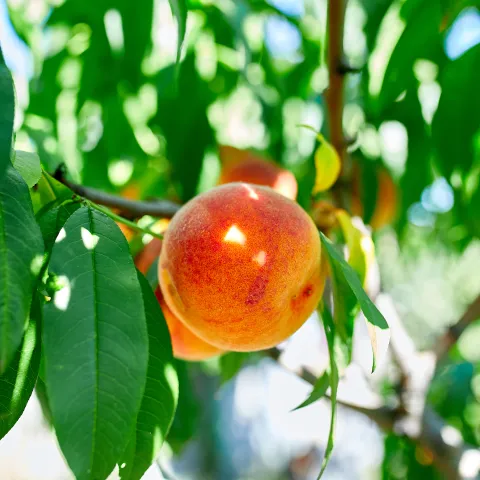
peach tree
UC Marin Master Gardeners: Document

Peach

 Scientific Name (Prunus persica) General Information Known as the “queen” of summer fruit, peaches feature fuzzy skin and sweet juicy yellow or white flesh. The trees are easily grown. Peach trees are self-fruiting, with flowers borne on one year old shoots. The trees can live for up to 20 years and…
View Document
Primary Image
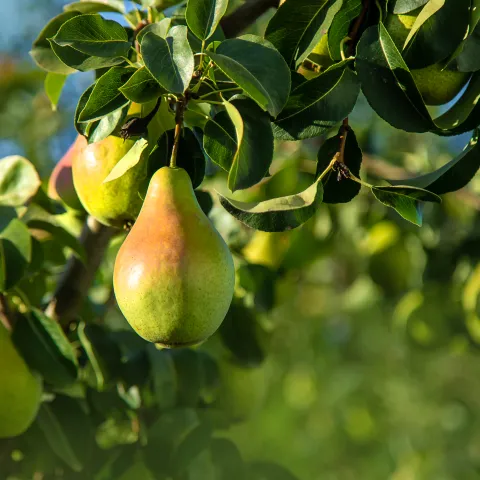
pear tree
UC Marin Master Gardeners: Document

Pear

 Scientific Name Pyrus communisGeneral Information Of all deciduous fruit tree species, pears are the most tolerant of wet soil conditions. However, they are also the most pest-ridden of all fruit trees and require the most sprays to keep clean. The most common variety, 'Bartlett,' makes up 75% of the…
View Document
Primary Image
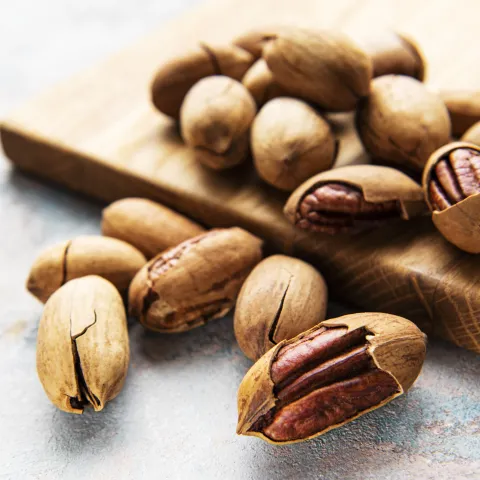
pecan
UC Marin Master Gardeners: Document

Pecan

 Scientific Name Carya illoensis General Information Large deciduous tree. Challenging to grow in Northern California as they need long, hot, humid summers. Technically not a nut, but a drupe -- a fruit with a single stone or pit, surrounded by a husk. Outer husk starts out green, turns brown at…
View Document
Primary Image
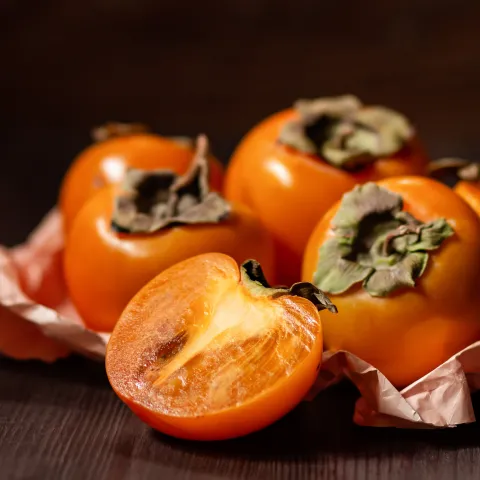
persimmon
UC Marin Master Gardeners: Document

Persimmon

 Scientific Name Diospyros kakiGeneral Information Persimmons ("fruit of the Gods") are deciduous trees with luscious, prolific fruit and great ornamental value. Marin provides the perfect climate of moderate winters and mild summers. Large, dark green, glossy leaves turn yellow in autumn. After leaf…
View Document
Primary Image
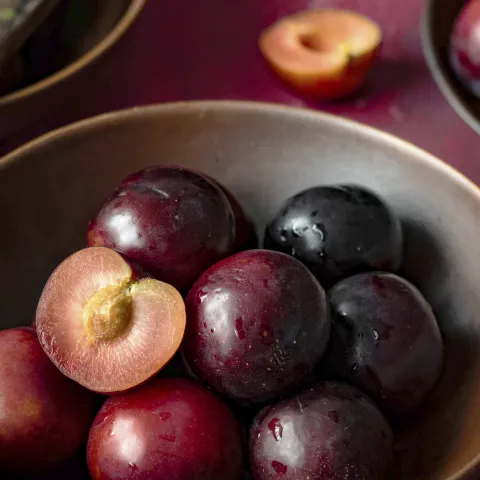
plums
UC Marin Master Gardeners: Document

Plum

 Scientific Name Japanese: Prunus salicina and European: Prunus domestica General Information Plum trees are easy to grow and have few pest problems. Two kinds of plums grow in California: European and Japanese. Within these, there is a huge variety, including black, purple, red or green skin, red or…
View Document
Primary Image
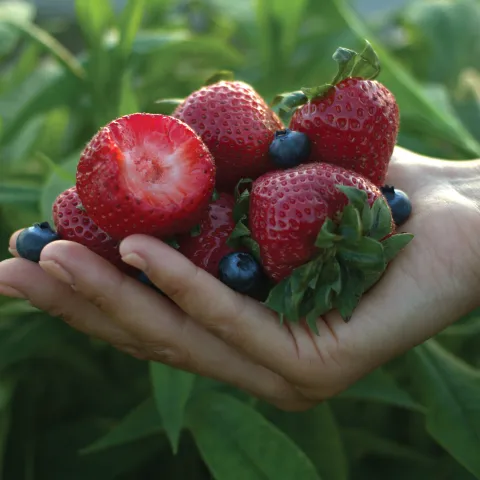
strawberry
UC Marin Master Gardeners: Document

Strawberry

 Scientific Name Fragaria spp. General Information Strawberries are perennial, low growing, vining plants that produce edible, heart-shaped berries. The tiny yellow or black dots on the berry’s surface are called achenes and are the actual fruit. When to Plant Middle to late August is generally the…
View Document
Primary Image
Find UC Master Gardeners of Sonoma County of social media here
UC Master Gardener Program of Sonoma County: Article

Follow Us on Social

March 17, 2025
Enrich your Sonoma County garden experience and stay up to date with Master Gardener Events by connecting with us on your favorite social media channels. 
View Article
Primary Image
walnuts
UC Marin Master Gardeners: Document

Walnut

 Scientific Name English/Persian: Juglans regia; Northern California Black: Juglans hindsii; ‘Paradox’: J.hindsii x J. regia General Information Large, fast-growing, deciduous tree 40 to 80 feet tall. Called English/Persian, or Northern California Black or the hybrid ‘Paradox’. The delicious,…
View Document