Archive Nut, Prune and Olive Programs

Newsletters


 Newsletter Articles:

May 2025Archived


Field picture submitted by Elizabeth Fichtner

 Links


Publications

Primary Image
flower
UC Marin Master Gardeners: Document

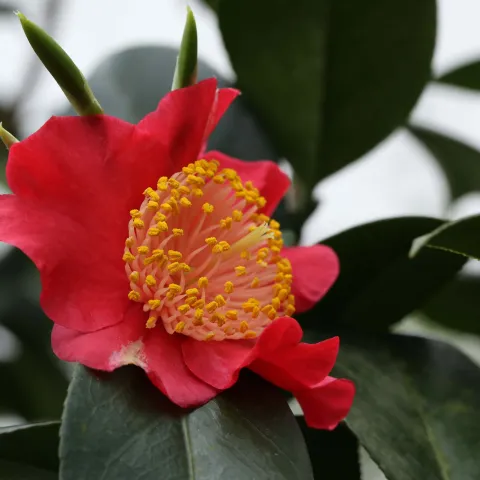
Pruning Camellia

 Scientific Name Camellia japonica; C. sasanqua; C. sinensis Special Considerations: Japonica buds set in later summer and bloom later from Winter to Spring.Sasanqua buds set in late summer and rest and open in the late fall to early winter.Sinensis buds set in the summer and bloom in the fall.The…
View Document
Primary Image
crape myrtle
UC Marin Master Gardeners: Document

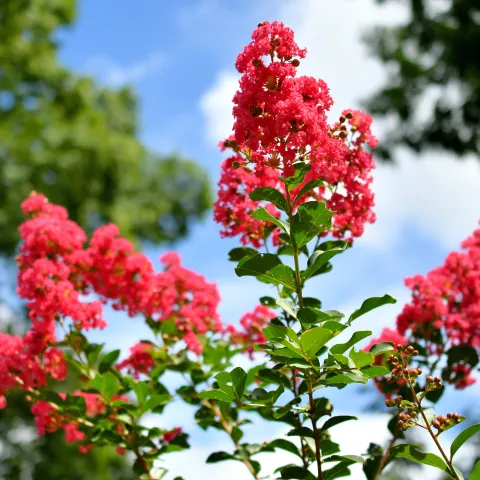
Pruning Crape Myrtle

 Scientific Name Lagerstroemia The natural habit of Crape Myrtles is to produce multiple trunks. However, they may be trained to become a single trunk tree. Trees with multiple trunks develop a wider canopy and carry a larger number of blossoms. However, single-trunk trees still produce a profusion of…
View Document
Primary Image
fuchsia
UC Marin Master Gardeners: Document

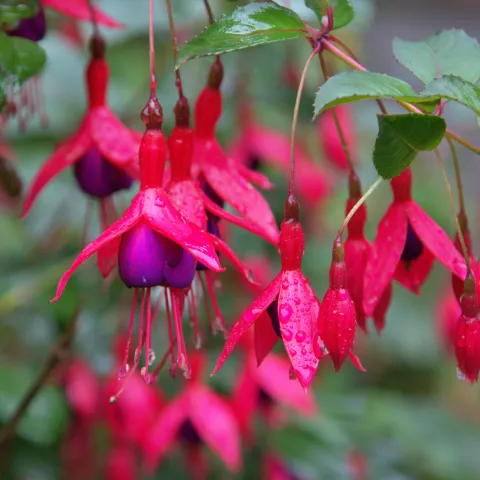
Pruning Fuchsia

 Scientific Name Fuchsia spp. Fuchsia are susceptible to frost damage. Therefore, this guide recommends pruning in mid-March, after the threat of freezing temperatures has passed. However, some Marin locations seldom freeze at night, and some fuchsia varieties are very hardy. If frost damage is not an…
View Document
Primary Image
hydrangea quercifolia
UC Marin Master Gardeners: Document

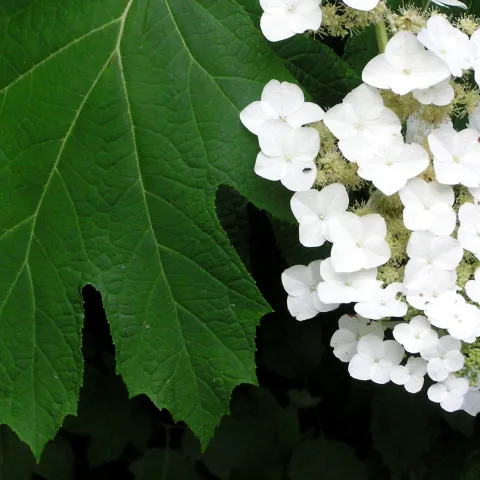
Pruning Hydrangea - Mophead, Lacecap & Oakleaf Varieties

 Scientific Name H. macrophylla; H. serrata; H. aspera; H. quercifolia These hydrangea varieties bloom in the early spring on wood that formed during the previous growing season. Pruning is best performed in mid-summer, after the peak of the bloom. This timing is important, because it allows the plant…
View Document
Primary Image
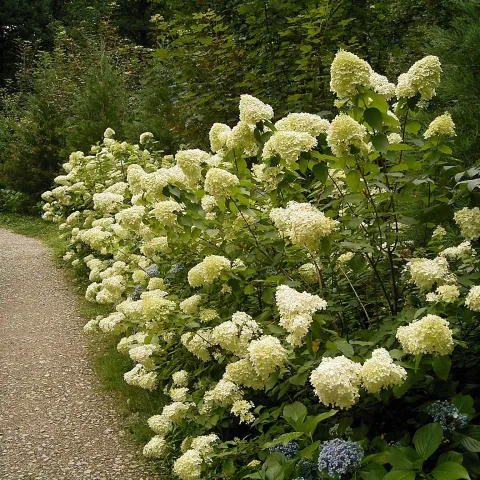
hydrangea paniculata
UC Marin Master Gardeners: Document

Pruning Hydrangea - Panicle & Smooth Varieties

 Scientific Name H. paniculata; H. arborescens These hydrangea varieties begin to bloom in the mid-summer on wood that forms during the current growing season. They can bloom well into the fall. Pruning is best performed during the winter, before new growth begins.Removing spent blooms at the base can…
View Document
Article

Broken Links to Sites, Images and Files

March 17, 2025
By Stephen Dampier
Broken links to sites, images and files is an assumed part of the migration from Site Builder to IWP. While most of the links, images and files should link properly, there are instances where they will be broken. The larger your site, the more often you'll find broken links and media images. We recommend…
View Article
Primary Image
loropetalum
UC Marin Master Gardeners: Document

Pruning Loropetalum

 Scientific Name Loropetalum chinense Loropetalum have two blooming cycles. They begin flowering in late winter (usually February) on old wood that formed during the previous growing season and cover themselves in masses of blossoms through March. They then bloom sporadically throughout the summer on…
View Document
Primary Image
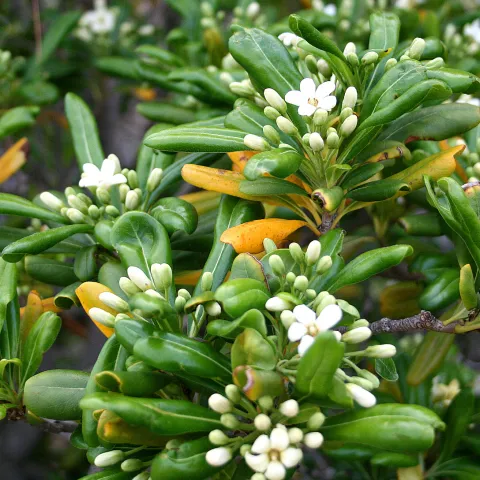
pittosporum
UC Marin Master Gardeners: Document

Pruning Pittosporum

 Scientific Name Pittosporum tobira Although the focus of this guide is on pruning, some gardeners shear their pittosporum. If a gardener chooses this method, then, just as for pruning, shearing should occur after the spring bloom. Shearing in the winter removes the flower buds. Pittosporum are…
View Document
Primary Image
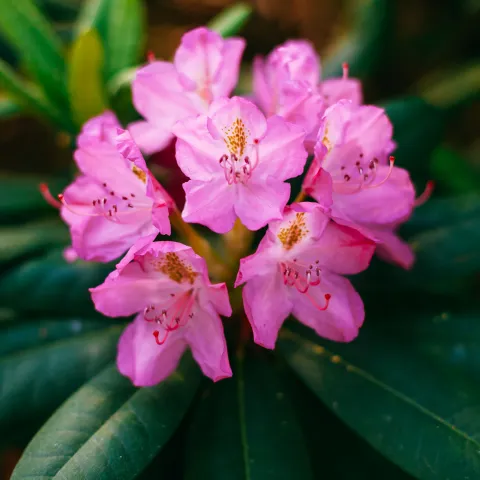
flower
UC Marin Master Gardeners: Document

Pruning Rhododendron

 Scientific Name Rhododendron spp. Rhododendron usually flower in the winter and begin to push new growth as the blossoms begin to fade. This is a good time to prune to control the size and structure of the plant. Waiting until later will require removal of the new growth to control the size and shape…
View Document