Archive Nut, Prune and Olive Programs

UC Cooperative Extension Imperial County: Article

March 2020

March 6, 2020
SUBSURFACE DRIP IRRIGATION IN THE DESERT: WHAT WE LEARNED SO FAR VEGETABLE DISEASE UPDATE: DISEASE ACTIVITY CONTINUES LIVESTOCK RESEARCH BRIEF NUTRITION & HEALTH IN THE FARM WORKER POPULATION HEATHLY SOILS GRANT WORKSHOPS 2020 CENSUS INFORMATION - APRIL 1, 2020 SAVE THE DATE - AGRONOMIC CROPS & WATE...
View Article
Primary Image
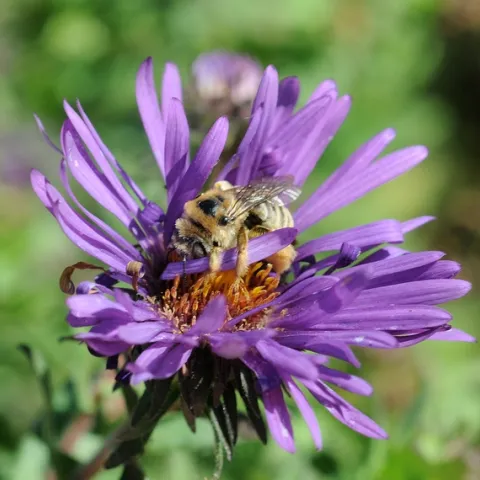
sunflowerbee Diadasia envatata E. Zagory

Attracting Pollinators to your Garden

March 6, 2020
By Anne E Schellman
Urban landscapes are much needed resource for pollinators such as hummingbirds, butterflies, and bees. What should you plant to attract them? Honey bees are well-known plant pollinators, but they aren't the only bees in the landscape.
View Article
Primary Image
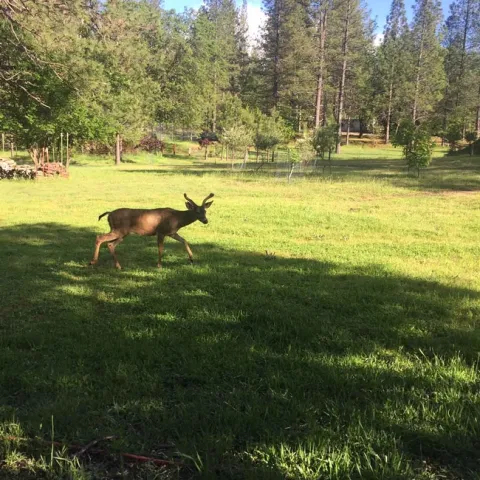
Deer by Kim Schwind
The Real Dirt: Article

Deer Resistant Garden Strategies

March 6, 2020
Butte County offers an abundance of beautiful places to live. Our urban areas are surrounded by farmland, open space, foothills and the Sierra Nevada Mountains, and along with this wildland interface comes wildlife.
View Article
Primary Image
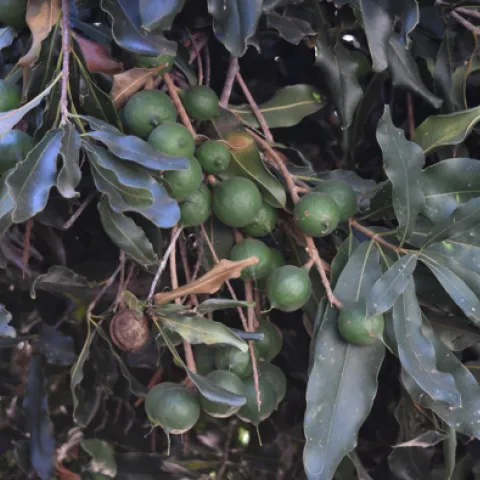
A honey bee pollinating an almond tree on Bee Biology Road, UC Davis campus. (Photo by Kathy Keatley Garvey)
Bug Squad: Article

California's Almond Pollination Season: Just Buzzin'

March 5, 2020
By Kathy Keatley Garvey
Did you hear that buzz in California's almond orchards? It takes about two colonies per acre to pollinate California's 1.2 million acres of almonds. That's about 2.5 million bee colonies trucked here from throughout the country.
View Article
UCCE Siskiyou: Article

March - April 2020

March 5, 2020
Upcoming Events 4-H Scholarship Livestock Exhibitor Rule for Participation at a California Fair Fashion Revue Back Country Horseman Veterinary Science County Presentation Day...
View Article
Primary Image
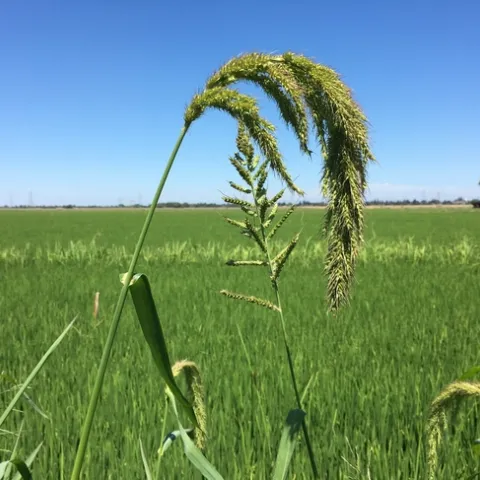
IMG 2991
SJC and Delta Field Crops: Article

Herbicide Trial in Delta Drill-Seeded Rice

March 5, 2020
By Michelle M Leinfelder-Miles
Weeds are important pests of California rice systems, and weed management can account for roughly 17 percent of total operating costs, according to a UC cost of production study. Integrated weed management uses cultural and chemical practices and considers the following: Prevention (e.g.
View Article