UC ANR is committed to providing an accessible and inclusive web experience for all users. If you encounter an accessibility barrier or need content in an alternative or remediated accessible format, please contact anraccessibility@ucanr.edu.
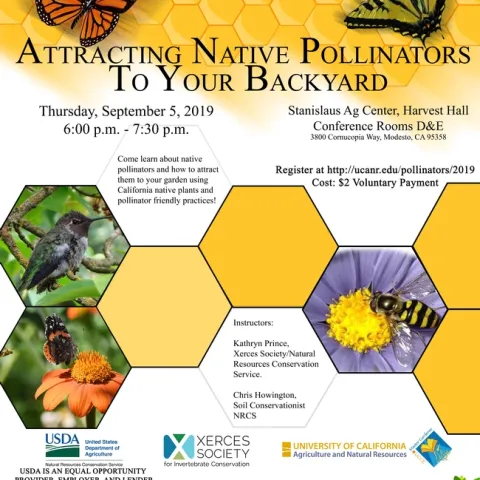
Honey bees get a lot of press, but they aren't the only pollinators in our gardens and landscapes. California is home to over 1600 species of native bees, and many can be found in your backyard. In addition to native bees, there are also butterflies, moths, beetles, flies, and other pollinators.
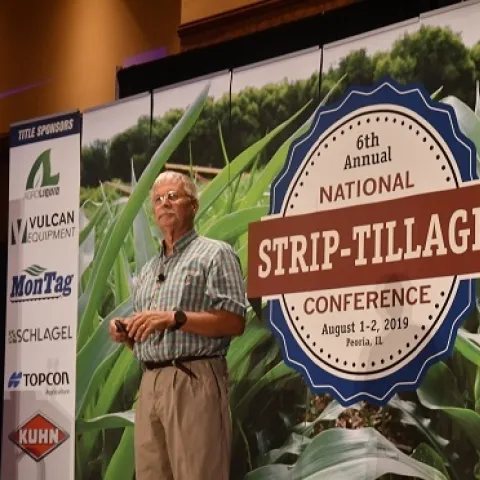
Presentation by Jeff Mitchell at the National Strip-Till Farmer Association Conference Peoria, IL August 2, 2019 A You Tube video of the presentation that CASI's Jeff Mitchell made on the evolution of strip-tillage in California cropping systems may be viewed at https://www.striptillfarmer.
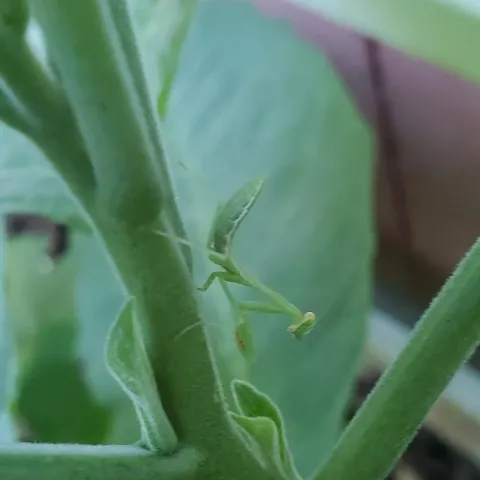
I have been trying to take really good care of all my plants this summer, doing all the things that they should like. The plants look healthy, but many have different types of leaf damage. The main culprits are Whiteflies, Harlequin Bugs, Earwigs, and Slugs/Snails.
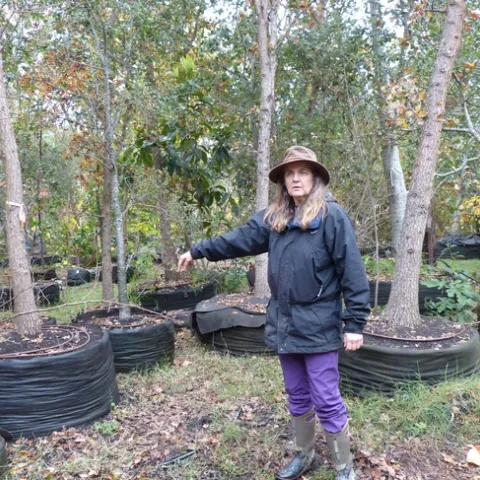
by Corinne Yoshihara Did you know that only 1 in 10,000 acorns grows into a tree? Master Gardeners recently had a presentation on a how to about growing oak trees by Jean Wheeler of Main Street Trees. Jean described her tree growing methods and led a tour of her three acre tree farm in Napa.
Presentations on citrus thrips, katydid and earwig citrus fruit scarring were made by Jay Rosenheim, Bodil Cass and Hanna Kahl on Aug 21 at a Lindcove Research and Extension Center field day.
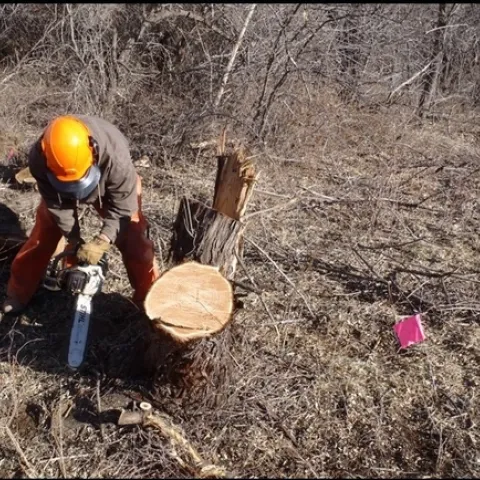
While typically associated with timber production and arborists, chainsaws are one of the tools available to those tasked with removing non-desirable woody vegetation.
We wrapped up the Information Sessions on Friday. Mark stayed behind in San Diego to enjoy the weekend. Each session brought about different topics for discussion during the open session.
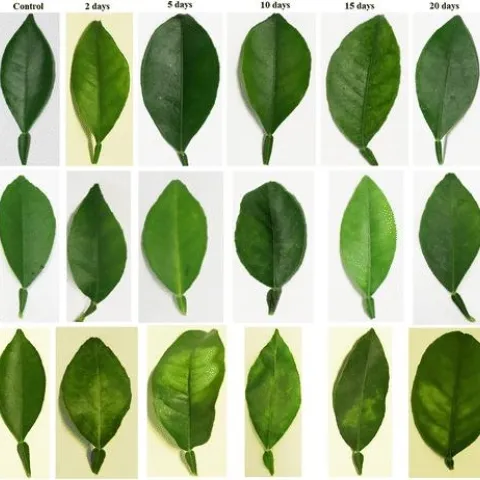
Citrus Huanglongbing (HLB), also known as greening, is one of the most serious citrus plant diseases in the world. Infected trees produce bitter fruits that are green, misshapen, and unsuitable for sale. Once a tree is infected, there is no cure and it typically dies within a few years.