UC ANR is committed to providing an accessible and inclusive web experience for all users. If you encounter an accessibility barrier or need content in an alternative or remediated accessible format, please contact anraccessibility@ucanr.edu.
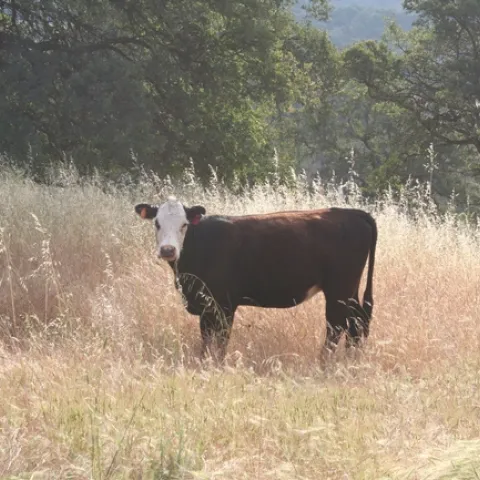
As we move into the dry season on our annual rangelands, I thought it might be useful to post a few resources on feeding supplemental protein to livestock to maintain forage intake! Annual Rangeland Forage Quality (UCANR Publication 8022) - this 2001 publication provides a useful overview of the sea...
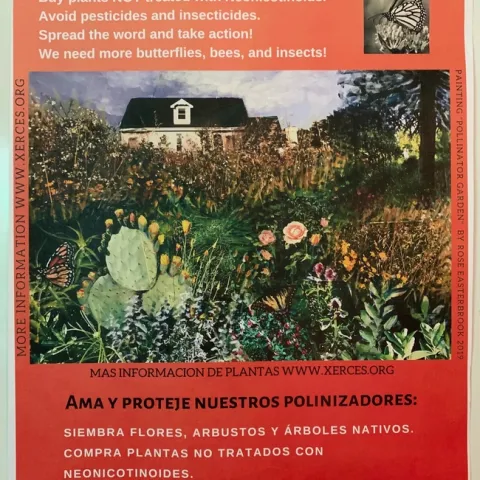
'Attention is the beginning of devotion' --Mary Oliver This quote resonates this month, amidst a variety of environmental holidays and celebrations including World Environment Day, World Ocean Day, California Invasive Species Action Week, and finally National Pollinator Week (this week) and Month.
Reprinted from the UCANR food blog Native Americans suffer from the highest rates of food insecurity, poverty and diet-related disease in the United States.
Sacramento Valley Walnut News - Summer 2019 Contents: Walnut Orchard Management Cost and Expense Considerations in a Lean Price Year: IPM on a Budget - Cost Savings Strategies for Insect & Mite Management Maximizing walnut quality to improve value in a low-price year Should You Use Ethephon in a Lea...
Marty Martino, UC IPM computer resource specialist, retired Feb. 28 after serving UC for over 29 years. He started working for the university in 1989 and joined the UC IPM Program in 1994.
Roots are often overlooked by horticulturists but deserve to get more attention. Of course, they are usually underground and out of sight so it's somewhat understandable why they can be ignored. But, roots play a critical role in the life of a plant.
Growers Seminar Continuing Education Units Continuing Education (CE) Units have been applied for through the California Department of Pesticide Regulation for license categories PCA, QAL, QAC and Private Applicators.
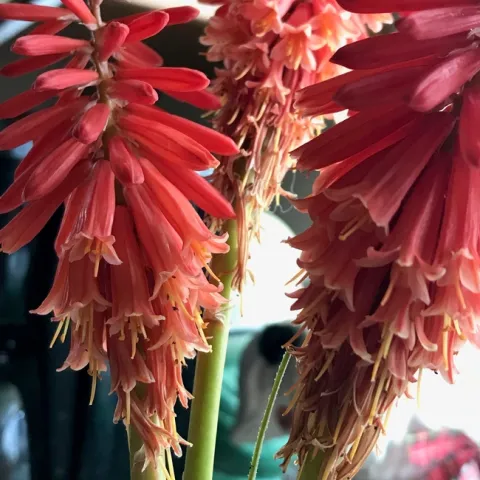
I have long been a fan of Hot Poker, Kniphofia uvaria. I love their tall, dramatic structural presence in the garden. They are low maintenance, as well, which is a huge plus. Because of their height, three to six feet tall, they are generally planted towards the back of the garden bed.