UC ANR is committed to providing an accessible and inclusive web experience for all users. If you encounter an accessibility barrier or need content in an alternative or remediated accessible format, please contact anraccessibility@ucanr.edu.
Dear Colleagues, The University of California Institute for Mexico and the United States (UC MEXUS) and El Consejo Nacional de Ciencia y Tecnologa (CONACYT) are pleased to announce a call for proposals to provide $25,000 in seed funding to teams of UC and Mexican researchers with beginning projects...
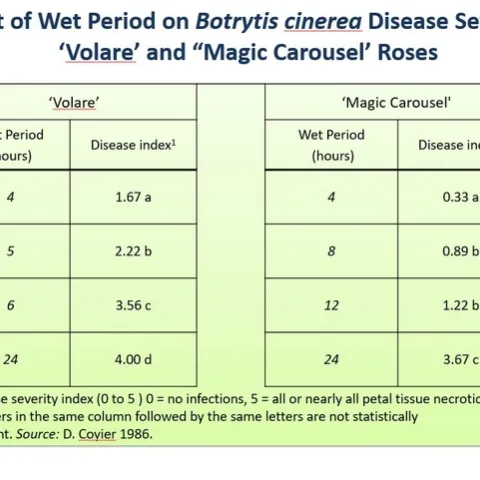
The majority of fungi, aerial nematodes and bacteria that cause plant diseases require liquid free water on the plant surfaces before they can infect the plant. Free water, sufficient for disease infection, commonly occurs in the form of rain, fog, and dew.
California Citrus Network: an online forum to facilitate communication and information exchange regarding California citrus High Density Planting for Avocado Production: A Chilean Perspective Avocado Brainstorming 2018 Meet our new subtropical crops specialist at UC Riverside Fall Citrus Meeting Rem...
"Urban Entomology" will set the theme for the next open house at the Bohart Museum of Entomology, located in Room 1124 of the Academic Surge Building on Crocker Lane, UC Davis campus, The event is set for 1 to 4 p.m., Sunday, Nov. 18. It's free and family friendly.
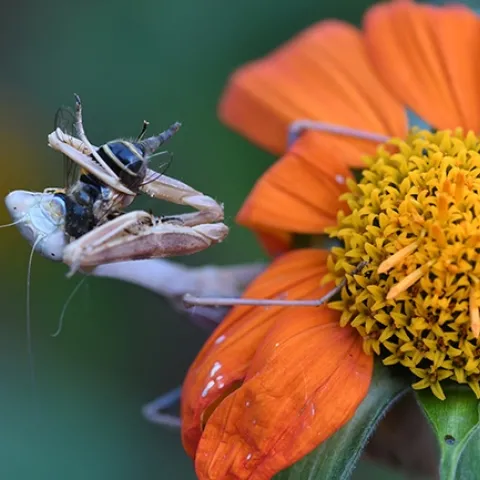
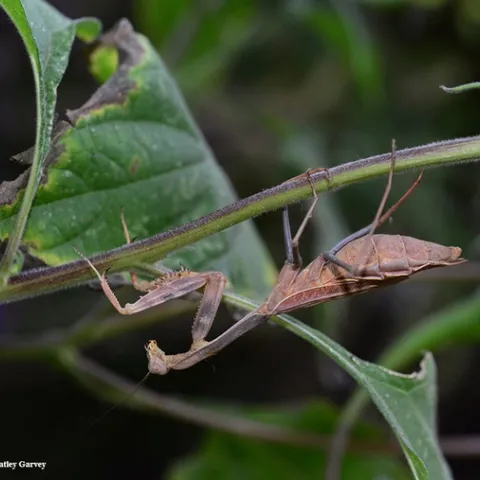
Talk about the unexpected. Look! says Jim. He pauses by the kitchen counter. "Over there! he says, pointing. I don't see anything except the half-filled coffee pot. Then I see it. "There," as in over there, is a praying mantis clinging to the wall and staring at us.
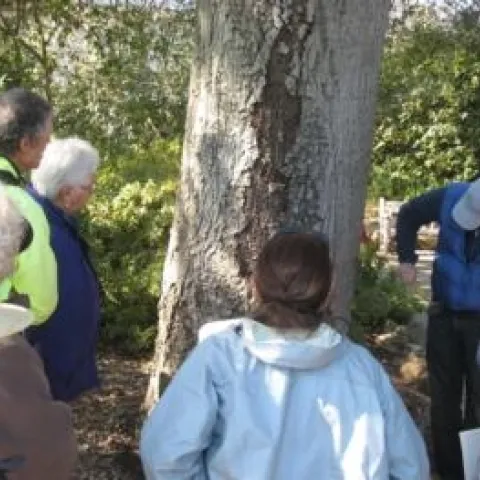
Come Learn About Field Identification of Invasive Shot Hole Borers We're holding two early December trainings on invasive polyphagous and Kuroshio shot hole borer biology, identification, surveillance, and management of infested trees and downed wood.
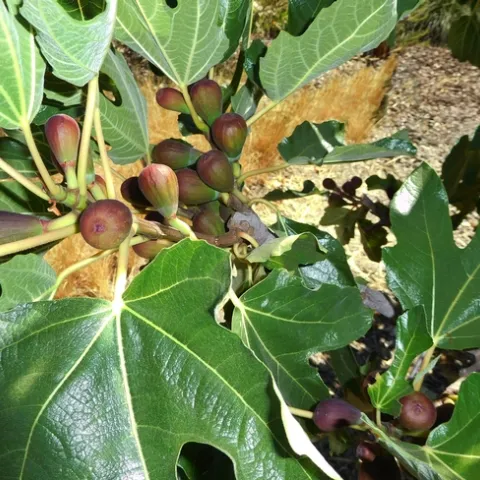
Plants We Love-Dwarf Fig Tree by Leonard Cicerello UCCE Master Gardener Ficus carica Planting zone: Generally, 8-10 some varieties developed for zones 5-7. (USDA) Tree size: Some dwarf varieties can grow to 15 feet tall by 15 feet wide. They do well in containers.