UC ANR is committed to providing an accessible and inclusive web experience for all users. If you encounter an accessibility barrier or need content in an alternative or remediated accessible format, please contact anraccessibility@ucanr.edu.
Graduate student, post-doc, and technician positions available to investigate the genetics of invasiveness and herbicide resistance in aquatic plants Description: Assist with a funded research project combining molecular genetics and field/greenhouse studies to investigate the genetic basis of growt...
By Emilee Fowkes Warne, UC Master Gardener of Butte County, April 13, 2018. The weather is warming up and it's difficult not to turn our attention to the outdoors.
No wall can separate a Gulf Fritillary from its host plant, the passionflower vine (Passiflora). The Gulf Frit Agraulis vanillae), an orangish-reddish butterfly of the family Nymphalidae, fluttered over our six-foot fence, heading straight for the passionflower vine.
This note from Cressida Silvers, either go to Temecula or maybe do a more local version of the training: Good afternoon, The upcoming CAPCA meeting (see below for details) in Temecula is a 2-day event (12 CEUs), including a workshop and field visit focused on detecting live ACP in citrus trees, and...
My husband and I tackled the Blue Ridge Loop Trail above Lake Berryessa in mid-March. He had been on it once before and had shown me beautiful pictures looking down on the lake.
Turkey Tail Fungus-An Intriguingly Beautiful Pernicious Invader Preservation Pointers-Green is Good in Asian Food UCCE Master Gardener Garden Tour Seeds or Starts? Inviting Butterflies to Your Garden Water Saving Gardening-Drought or No Drought Garden Journals Got Weeds?
Like most of us, trees don't want to be eaten alive. To prevent this gruesome fate, they developed extremely tough cell walls around 400 million years ago. For millions of years, nothing could break down lignin, the strongest substance in those cell walls.
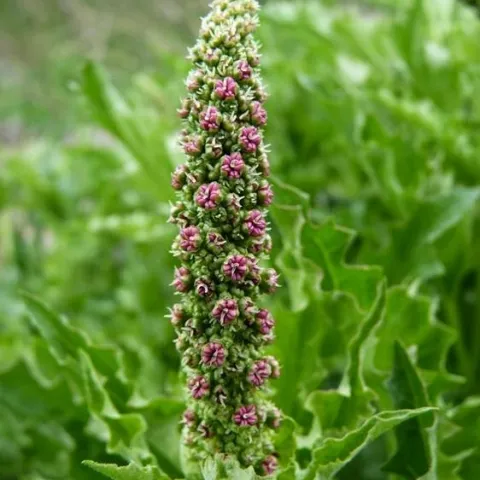
Occasionally plants show up in our office for identification and no one in the office knows what it is. So it's sent off to others who might know. This was the case of a perennial amaranth, also called goosefoot for some reason. This is Chenopodium californicum, also known as Blitum californicum.