UC ANR is committed to providing an accessible and inclusive web experience for all users. If you encounter an accessibility barrier or need content in an alternative or remediated accessible format, please contact anraccessibility@ucanr.edu.
UCCE Kern and Almond Board NMP Workshop REVISED LOCATION DUE TO RAIN FORECAST Wednesday, March 21, 2018 8:00 am - 3:00 pm See attached for Agenda and New location (UCCE Kern Office)...
The USDA-Agricultural Research Service (ARS)-funded Delta Region Areawide Aquatic Weed Project (DRAAWP) is reporting progress in reducing aquatic weed coverage in the Delta through the development and use of new control technologies and models, while reducing control costs for stakeholders.
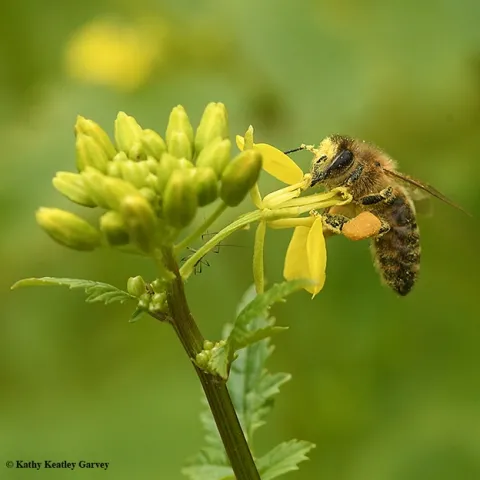
A sure sign of spring: honey bees foraging on mustard. You'll see mustard growing as cover crops in the Napa Valley and Sonoma Valley vineyards, but you'll also see it gracing the hillsides, roadways and area gardens. It's a time when the yellow pollen dusts the bees from head to thorax to abdomen.
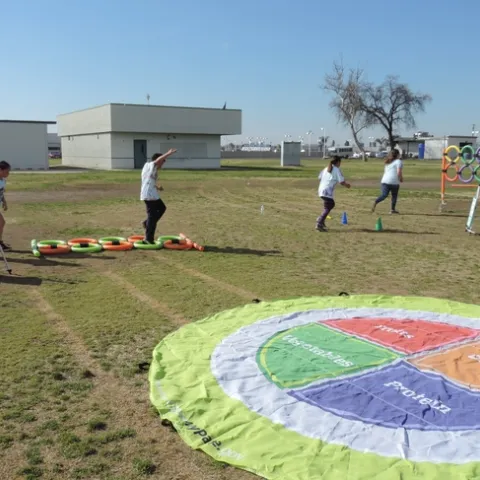
Hanford District Ready After School Program joined UCCE to promote physical activity and healthy eating! About 100 students from Roosevelt and Martin Luther King Elementary Schools participated in a 5K MyPlate Color Run.
Almost every plant has one or more aphid species that occasionally feed on it. Although aphids can curl leaves and produce stick honeydew, they rarely kill plants. When aphid numbers are high, natural enemies frequently feed on them. When pesticides are necessary, use less toxic products.
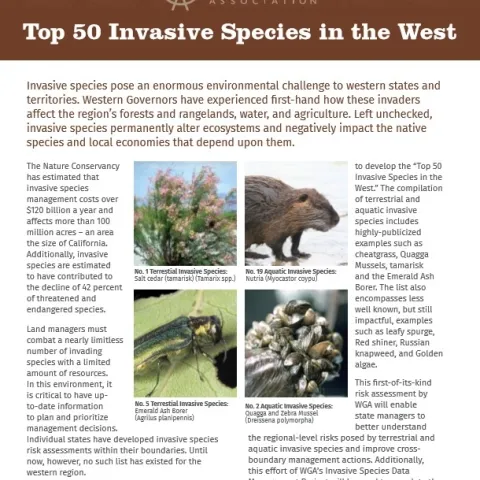
Last Thursday (March 15, 2018), the Western Governors' Association released its first ever list of the top 50 invasive species (25 terrestrial, 25 aquatic) important in the western US. This list includes a number of plant, animal, insects, and pathogens.
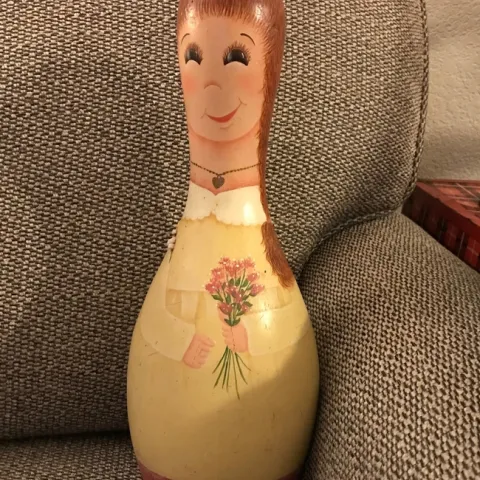
A few years ago I received a garden angel that was made out of an old bowling pin. It was hand-painted and had a country feel to it. I set it out on the edge of my patio, nestled among the pots, and would bring it in over the winter.