UC ANR is committed to providing an accessible and inclusive web experience for all users. If you encounter an accessibility barrier or need content in an alternative or remediated accessible format, please contact anraccessibility@ucanr.edu.
You could call it a slacker, a deadbeat, a moocher, a sponger, or a loafer. Or you could call it a cuckoo bee. Take the cuckoo bee, Xeromelecta californica, a parasite of the digger bee, Anthophora.
There's a flurry of pink at the Gold Ridge. That would be the Luther Burbank Gold Ridge Experiment Farm in Sebastopol. "Luther Burbank bought his 15-acre farm on Gold Ridge in 1885 in Sebastopol," says the Western Sonoma Historical Society on its website.
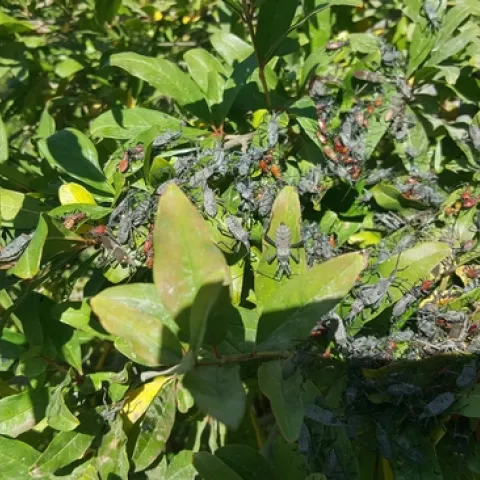
0University of California Cooperative Extension Area-wide IPM Advisor, Kearney Agricultural Research and Extension Center, Parlier, CA Leaffooted Bug Populations in Ventura County - 2017 Cold winter temperatures can reduce populations of leaffooted bug, Leptoglossus zonatus (Dallas), by ~50 to 80%.
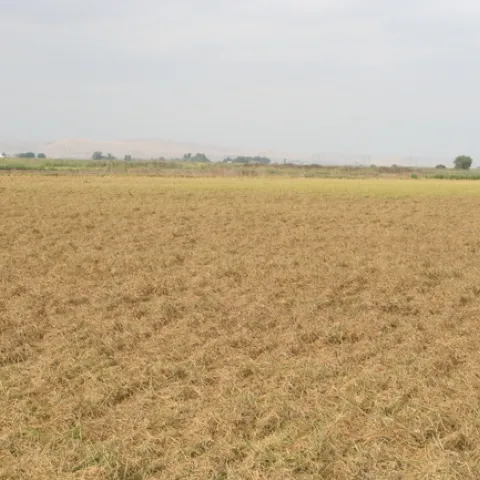
In the past two years, I have received several reports of fields suffering yield loses due to stem rot. Last year I saw several affected fields. This year, I am starting to get reports of fields being affected. I visited one such field last week.
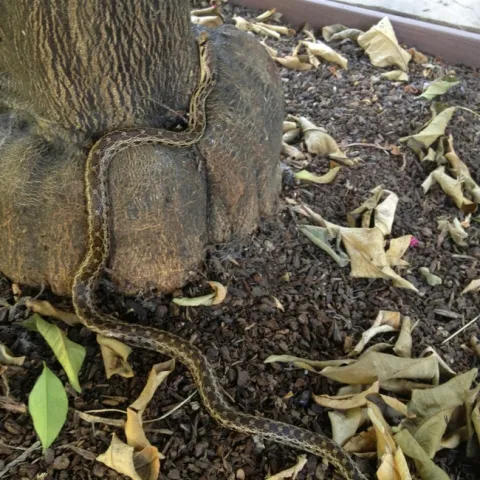
Gopher Snakes (Pituophis catenifer), known as a constrictor snake, are one of the most commonly seen snakes in California. Mainly active during the day, they are active after sundown on hot days.
Attention agricultural employers! Give your front-line supervisors the training and skills they need! As a business owner, you know the importance of a skilled, reliable and well-managed work force.
We have bright faces in our Vacaville, Calif., pollinator garden. The bright faces are usually that of assorted bees and butterflies nectaring on members of the sunflower family: Mexican sunflower (Tithonia) and blanketflowers (Gaillardia).
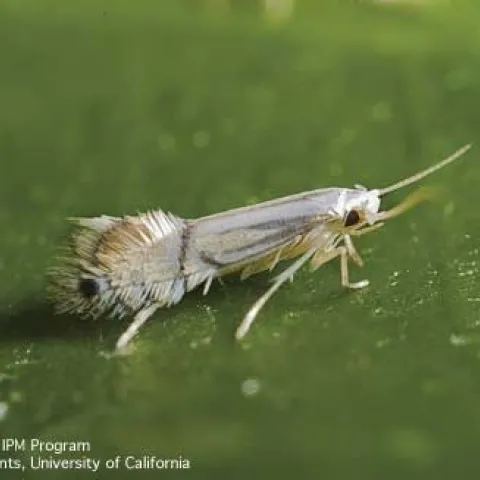
Leafminer, sometimes Leaf Miner. It's that time of year. Those little moths come out in the late afternoon and flit about. They lay their eggs and when they hatch the larvae start burrowing through the leaf. The recent heat and also the generally warm summer have set them off. And it is obvious now.