UC ANR is committed to providing an accessible and inclusive web experience for all users. If you encounter an accessibility barrier or need content in an alternative or remediated accessible format, please contact anraccessibility@ucanr.edu.
TOPICS IN THIS ISSUE: We Shall Defend our Citrus, We Shall Fight in Backyards and Community Gardens, We Shall Fight in Organic and Conventional Citrus Orchards; We Shall Never Surrender.
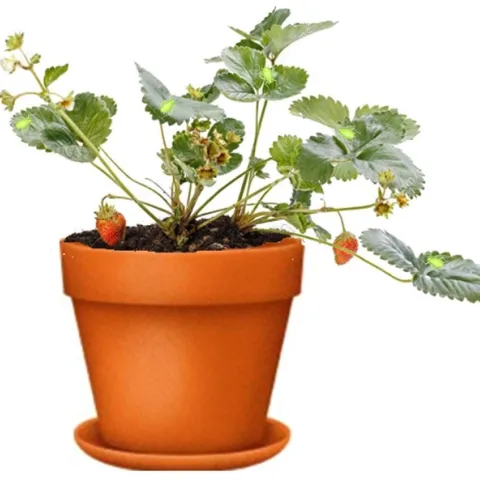
A variety of arthropod pests attack strawberries in California and farmers primarily use chemical pesticides for pest management (CDPR, 2014 and Zalom et al. 2014).
If you engage in a mini-monarch conservation project, you know the joy of watching the egg-caterpillar-chrysalis-adult transformation. It's one of Nature's miracles.
The Delta Region Areawide Aquatic Weeds Project will host an update meeting Thursday, August 18, 9-12 am, at the San Joaquin Cabral Agricultural Center, 2101 E. Earhart Ave., Suite 100, Stockton, Assembly Room 2.
Department of Plant Pathology and Microbiology, University of California, Riverside, CA 92521-0122, USA. and University of California Cooperative Extension, Tulare County, Tulare, CA 93274-9537 The Citrus Clonal Protection Program (CCPP) has its roots in the 1930s, when Professor H.
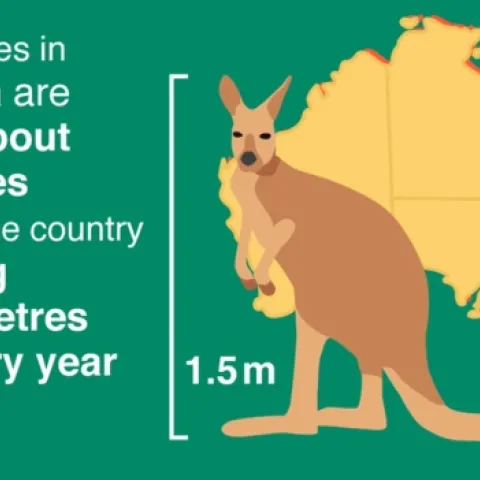
In the US, we have revised our geodetic datum over the yearrs. Most famously the switch from NAD27 to NAD83 as instrumention necessitated more measurements and resulted in a more accurate model. But in Australia, they are creating a new datum because the continent is MOVING 7cm a year.
So you have this significant garden pest--a caterpillar eating your cabbage, lettuce, tomato, squash, geraniums and petunias--and more. And then one morning you see a moth on your blanket flower (Gaillardia). Hmm...
It's bugged. Yes, bugged. And you won't want to miss it. If you head over to the 69th annual Solano County Fair, 900 Fairgrounds Drive, Vallejo, between now and Sunday, July 31, you'll see lots of bees, butterflies, lady beetles, dragonflies, ants and other insects in McCormack Hall.
Here's something from the UC Davis Dept. of Plant Sciences: http://news.plantsciences.ucdavis.edu/2016/07/27/brad-hanson-receives-award-for-outstanding-new-academic/.
Sometimes caregivers, including grandparents, aunts, uncles, cousins and neighbors, take photos of babies to show "proof of life." They post them for the parents to see, admire and confirm.