UC ANR is committed to providing an accessible and inclusive web experience for all users. If you encounter an accessibility barrier or need content in an alternative or remediated accessible format, please contact anraccessibility@ucanr.edu.
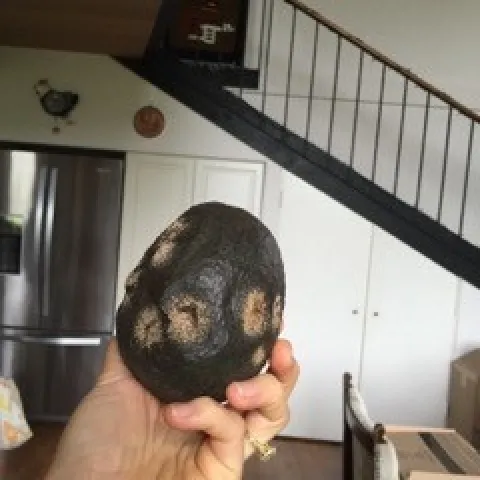
Get ready for more rotting avocado fruit if you have leaf blight showing up in your tree canopy. The fungal spores (one of the Botryosphaerias we once lumped as Dothiorella) that create the infection spread in an irregular pattern over the leaf and down the stem (then called stem blight).
If any insect should be the "cover girl" during National Pollinator Week, it ought to be the honey bee (Apis mellifera) Specifically, it should be the worker bee, although the queen bee and drones (males) have their place, too.
Move over, monarchs. Bees--and other pollinators--gravitate toward the enticing aroma of the milkweed, too. The milkweed is widely known as the larval host plant of the monarch butterflies--and a nectar source for the adults--but they have to share. Bee-cause.
From the Topics in Subtropics blog June 15, 2016 Researchers have now confirmed that six glyphosate-resistant weed species have been identified in California. Four have been known to exist for some time; they are horseweed (marestail, Conyza spp.
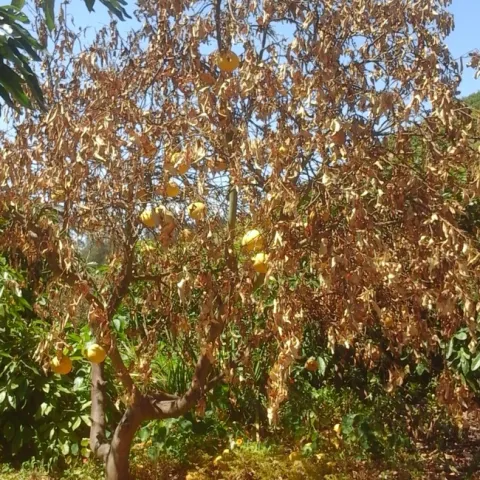
This has been a hot time. Look for irrigation problems, but also look for other weather related problems. This is possibly the most shocking. If you see your citrus tree suddenly collapse.
Quick, what's the California state insect? Umm, does California have a state insect? The Monarch? The Western Tiger Swallowtail? The Red Admiral? Wait, isn't this National Pollinator Week? Should I know what the state insect is? Yes, it is National Pollinator Week.
It's the first day of summer and the beginning of National Pollinator Week. What could be better? This: Spotting a Western tiger swallowtail (Papilio rutulus) sail through the pollinator garden and touch down on a butterfly bush (Buddleia).
Treevix (saflufenacil) is now labeled for use in California on pomegranates thanks in part to the Western Region IR-4 Project and the UC Davis Weed Science Program.
Where have you been? For the last several weeks, we've been watching for signs of the first seasonal monarch caterpillar on our narrow-leafed milkweed. The lush leaves refused to yield any secrets. They looked untouched, undisturbed and intact.