UC ANR is committed to providing an accessible and inclusive web experience for all users. If you encounter an accessibility barrier or need content in an alternative or remediated accessible format, please contact anraccessibility@ucanr.edu.
Hello everyone in extension! Our IGIS workshop schedule for the fall is here. We have some great workshops scheduled for your geospatial pleasure. These are coordinated with the workshops provided through the GIF.
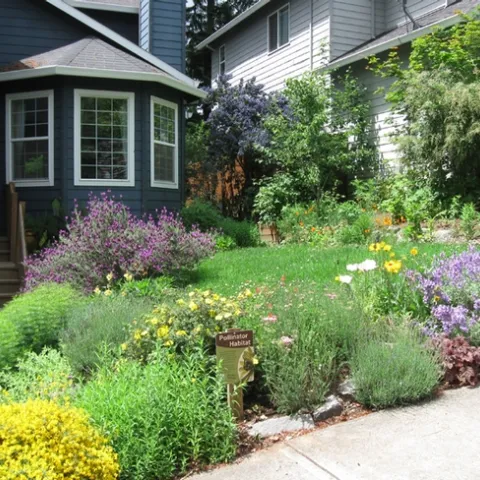
You can "bee" one in a million. You can "bee" more than you ever thought of "bee-ing." And when you do, you'll be helping the bees, butterflies, beetles and bats.
I was speaking with a colleague a few weeks ago about field drainage in the Delta. Our conversation reminded me of a farm visit that I made a couple of years ago. I visited a corn field that was not growing well, and sections of the field had standing water.
Andy Eschbacher, Map Scientist with CartoDB, will visit the GIF to teach this special hands-on workshop.CartoDB.com is a versatile cloud-powered spatial database, mapping, analysis and visualization engine that facilitates the process of building spatial applications for both web and mobile devices.
Dragonflies! Who isn't fascinated by dragonflies? They're an ancient insect. Their ancestors existed before dinosaurs. Indeed, fossil records show that they were the world's largest flying insects, some with wingspans measuring three feet.
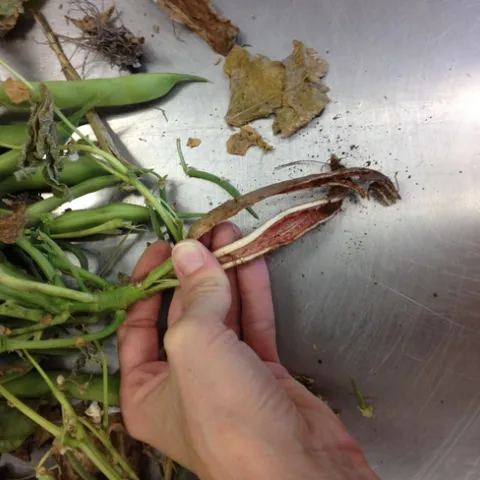
In late August, I visited a kidney bean field that was exhibiting stress symptoms, like necrotic leaves and stunting. Even though the field was near harvest, the consultant asked if I would take a look at it.
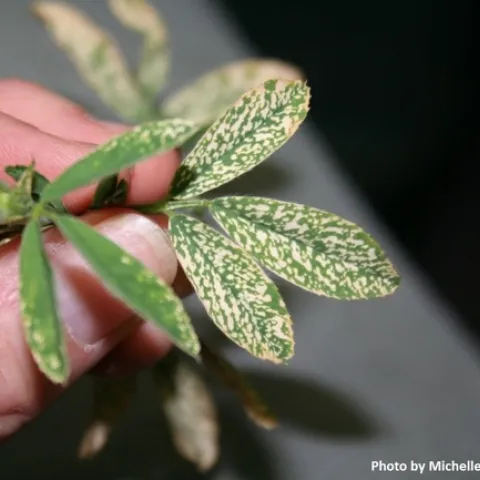
In late August, I was requested by a crop consultant to visit an alfalfa field in the Delta that was exhibiting symptoms like those in the picture. The leaves had little white spots near the margins, and generally, the plants had not grown well after the previous cutting.
Greetings! I started this blog as a component of my Extension program for field crops growers and allied industry in San Joaquin County and the greater Sacramento-San Joaquin Delta region.
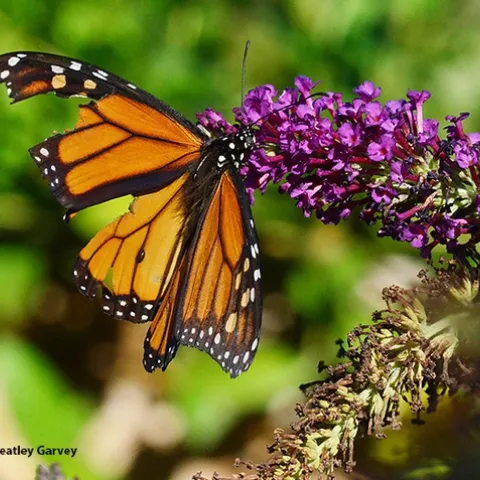
Broken Wing belongs here. And that's a good thing, because he won't live long. A male monarch that we've nicknamed Broken Wing due to a predator mark, hangs out on our milkweed, butterfly bush and Mexican sunflower (Tithonia). He's probably looking for a meal and a mate.