UC ANR is committed to providing an accessible and inclusive web experience for all users. If you encounter an accessibility barrier or need content in an alternative or remediated accessible format, please contact anraccessibility@ucanr.edu.
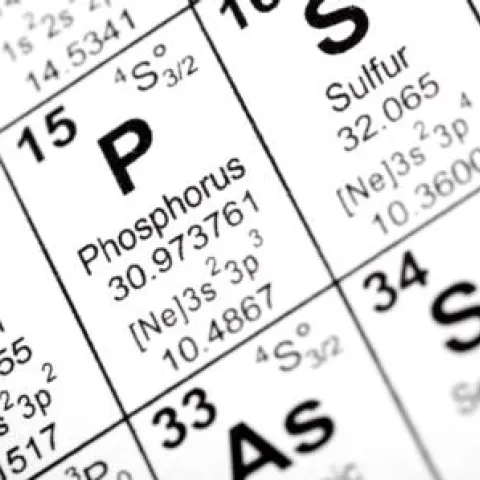
Silicon is currently under consideration for elevation to the status of a "plant beneficial substance by the Association of American Plant Food Control Officials (AAPFCO).
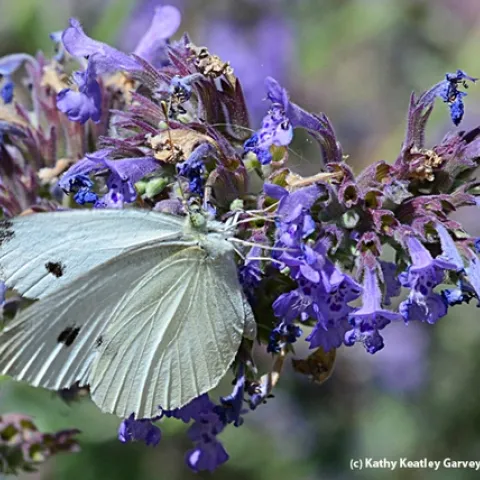
It's the butterfly we're supposed to hate. That would be the cabbage white butterfly, Pieris rapae. Its larvae or cabbageworms are pests of our cole crops, including cabbage, kale and mustard. Pests? You bet.
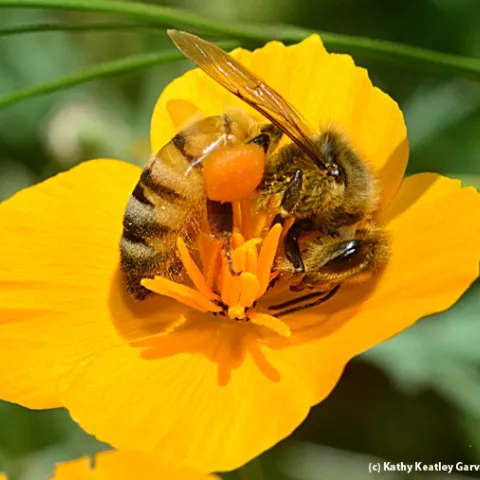
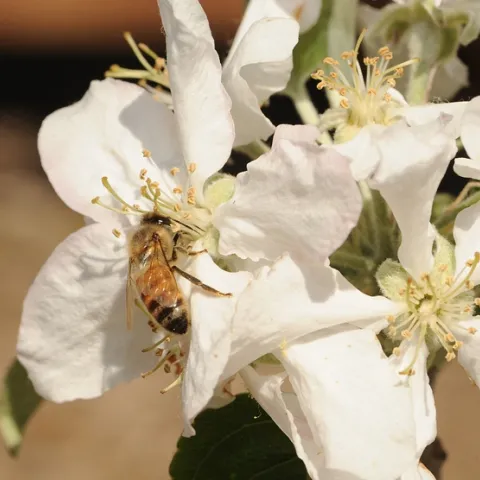
Confusion exists as to whether National Honey Bee Day is Aug. 15 or Aug. 22. The group that formed National Honey Bee Awareness Day says its Aug. 15. Pennsylvania Apiculture, aka PennApic, launched the National Honey Bee Awareness Day in 2009. The U.S.
We are all working very hard to get rid of weeds once we see them, but often I forget to ask how that plant got there in the first place. There are 4 main ways for weeds to appear on your property: germination from the seed bank, the wind, animal dispersal, and movement by people.
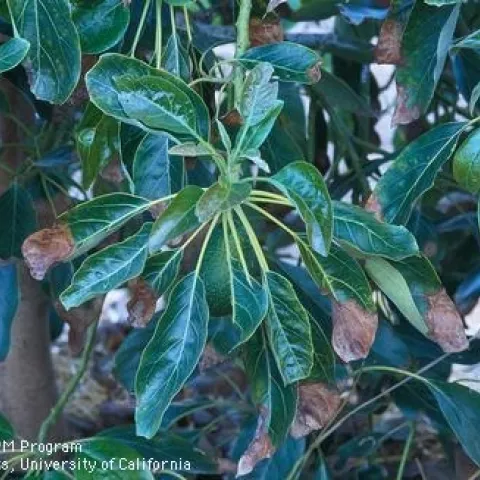
Especially when there are no winter rains to leach accumulated salts from the root zone of trees, there is major concern about increasing the levels of salts going into the root zone.
Nov. 2022, 2015 (Friday-Sunday) Reid Park Double Tree Hotel Tucson, Arizona http://chapter.ser.org/southwest/2015-annual-conferenc/ More information to come.
TYPES OF NATURAL ENEMIES Parasites, pathogens, and predators are the primary groups used in biological control of insects and mites (Table 1). Most parasites and pathogens, and many predators, are highly specialized and attack a limited number of closely related pest species.
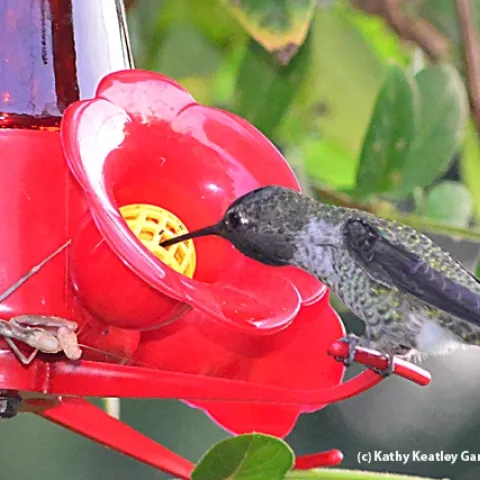
The hummingbirds seemed apprehensive. They'd fly to the feeder, stop in mid-air, and turn back. What was keeping them from the feeder? A closer look revealed what the casual observer wouldn't notice: a praying mantis.
Field topworking avocados and citrus can be a prolonged process that can take two years of maintenance before the trees are productive. Often, it's easier and cheaper to just start off with a new tree.
What do you know about neonicotinoids, aka neonics? An educational opportunity to learn more about them--the truths and the myths--will take place on Wednesday, Sept. 9 at the University of Caifornia, Davis, and you're invited. It's open to the public.