UC ANR is committed to providing an accessible and inclusive web experience for all users. If you encounter an accessibility barrier or need content in an alternative or remediated accessible format, please contact anraccessibility@ucanr.edu.
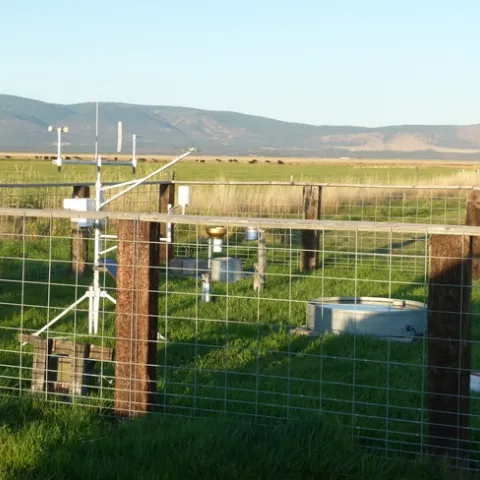
Recently I was asked why an irrigation schedule could be projected for almond and citrus in the Central Valley (Almonds:http://cekern.ucanr.edu/Irrigation_Management/Almond_Drip_-_Microsprinkler_- _Flood_Weekly_ET/Citrus: http://cekern.ucanr.
"When we try to pick out anything by itself, we find it hitched to everything else in the Universe." --John Muir, My First Summer in the Sierra Muir said it well.
Just got the following announcement today. ********************* SAVE THE DATE! November 5, 2015 For the inaugural Do No Harm workshop: Considerations of pathogens, pests, and plant disease in restoration activities at the UC Palm Desert Campus. Check out: http://donoharm.ucdavis.
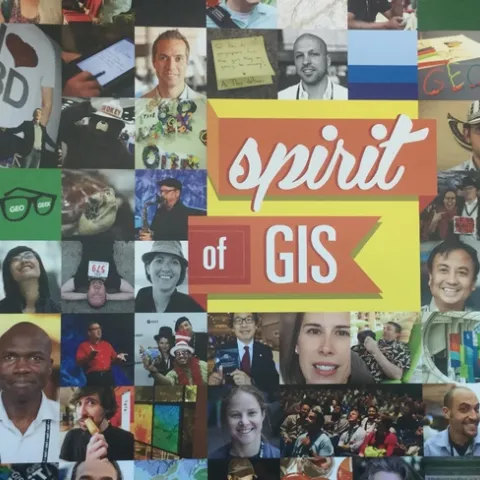
The last day of the ESRI User Conference was as informative as the first. I attended several different sessions covering several different topics. The first session I attended was about smart mapping. Smart Mapping is a new set of tools that are being integrated into ArcGIS server and ArcGIS online.
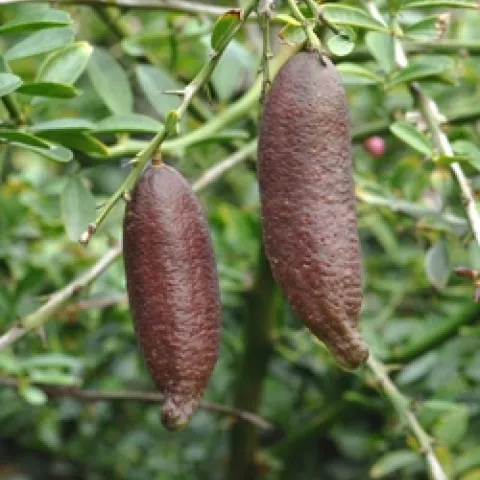
There is some variability in citrus susceptibility to both the psyllid (Westbrook et al and Hall et al) and the bacterial infection (Shokrollah et al and Stover and Mc Collum).
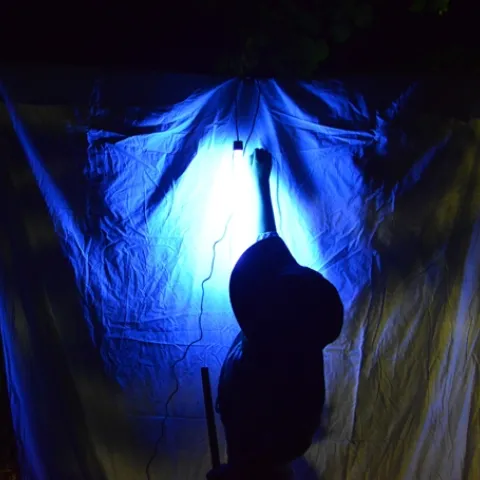
Oh, what a (moth) night! Saturday, July 18 marked the beginning of National Moth Week and the Bohart Museum of Entomology obliged with an indoor and outdoor open house, its first-ever evening open house. The event took place from 8 to 11 p.m.
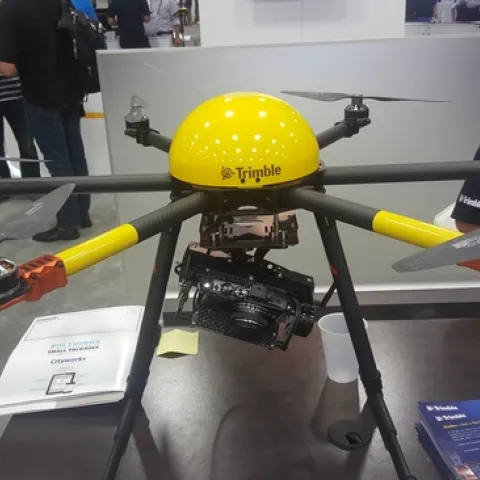
One of the potentially more exciting bits of news coming out of this year's ESRI User's Conference is that ESRI will soon be releasing an app for processing imagery collected by unmanned aerial systems (UAS).
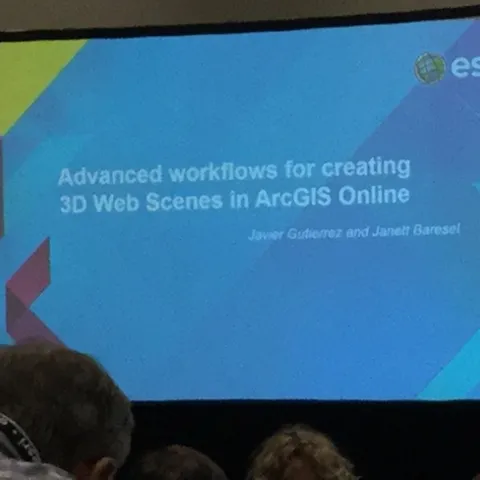
The third day at the ESRI User Conference was a good day with serveral great sessions about Web Scenes (online 3d scenes), think google earth with ESRI data and ESRI Story Maps.
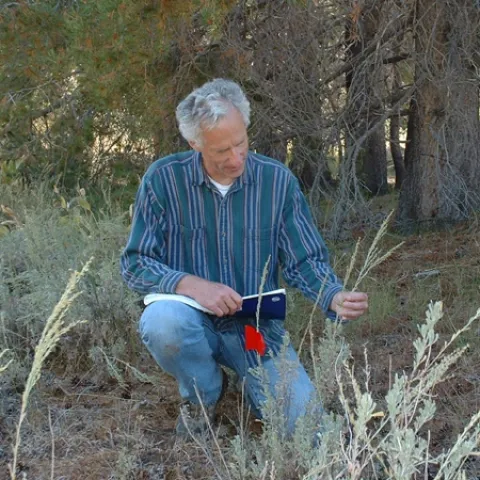
Plants can eavesdrop. They can sense danger. So says ecologist Richard 'Rick' Karban, professor of entomology, UC Davis Department of Entomology and Nematology, and author of the newly published book, Plant Sensing and Communication (University of Chicago Press).
This is being posted again because there have been so many calls recently with the same problem - lack of good water management accentuated by lack of rain and salt damage.