UC ANR is committed to providing an accessible and inclusive web experience for all users. If you encounter an accessibility barrier or need content in an alternative or remediated accessible format, please contact anraccessibility@ucanr.edu.
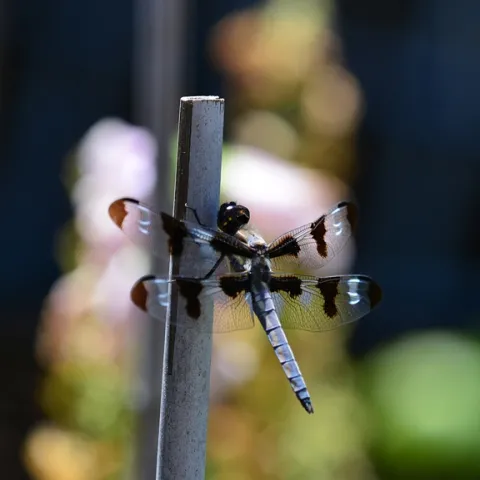
From the Davis Enterprise | June 26, 2015 Photojournalist Clyde Elmore will host a photographic exhibit from Monday, July 6, through Aug. 28 at the Buehler Alumni Center, off Mrak Hall Drive on the UC Davis campus. This will be the seventh annual exhibit of wildlife and landscape images.
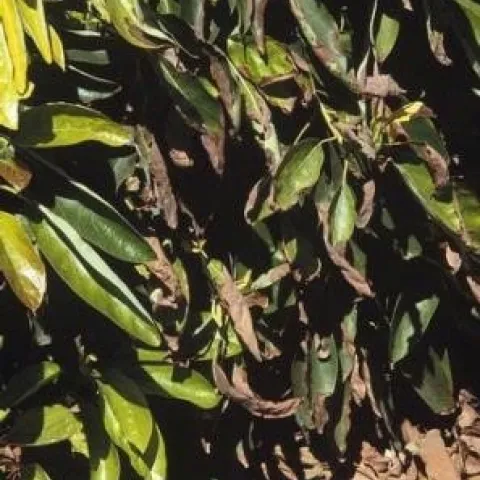
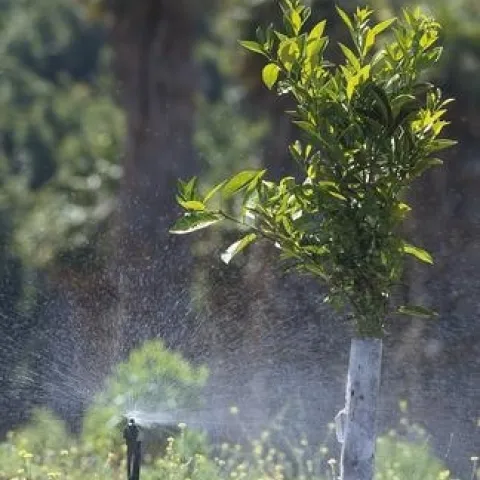
Avocados and Water Avocados are the most salt and drought sensitive of our fruit tree crops. They are shallow rooted and are not able to exploit large volumes of soil and therefore are not capable of fully using stored rainfall.
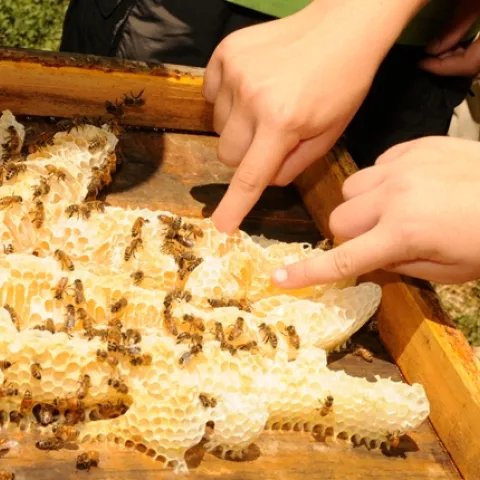
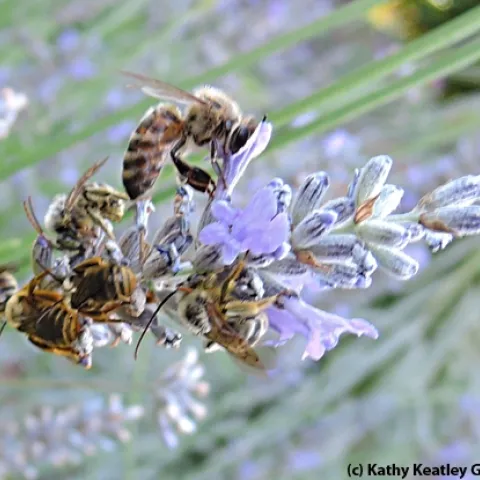
Oh, honey! Are you better than all the others? Make way for the Good Food Awards competition, opening July 6. This year is the second consecutive year for the honey category. Last year more than 50 beekeepers from throughout the United States entered their honey.
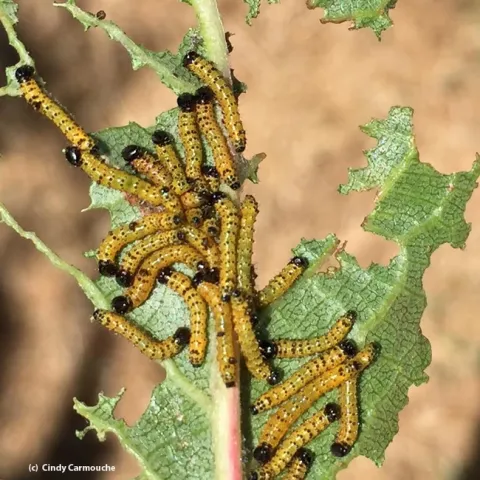
What an amazing photo! Vacaville resident Cindy Carmouche, a nurse at Kaiser Permanente, captured a photo of early instar redhumped caterpillars eating her French prune leaves. One look at this photo and you will marvel at some v-e-r-y hungry caterpillars.
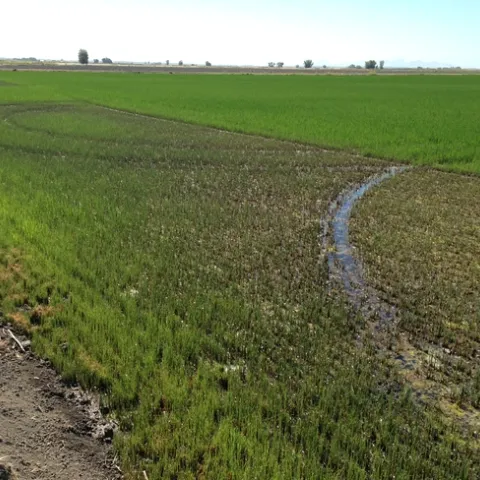
I recently visited a couple of fields in Glenn County with severe armyworm injury. It seems somewhat early to be seeing this type of injury. Application of pyrethroids are not controlling these really high infestations.
Two species of male sunflower bees, Svastra obliqua and Melissodes agilis, spend the day on our Mexican sunflowers (Tithonia) chasing the girls and protecting their turf. Sometimes I wonder why they don't tire out sooner than they do. The Energizer Bunny could take lessons from them.
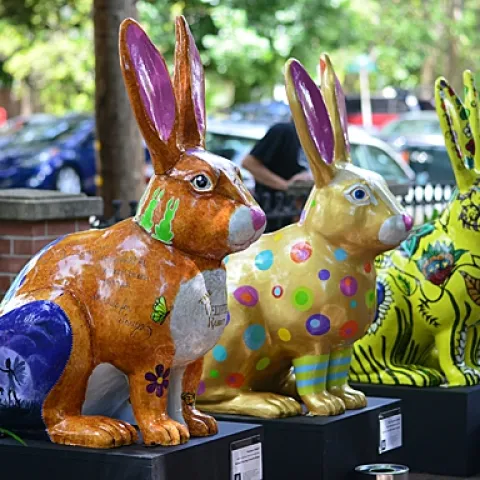
Have you ever seen butterflies on jackrabbits? No? Well, if you attended the recent "We Know Jack" public art exhibit at the Vacaville Museum on Buck Avenue, you saw jackrabbits. Plenty of jack rabbits. And butterflies. Plenty of butterflies.
Woolly distaff thistle is a persistent problem on rangeland in the northern Bay Area, especially on ranches that raise cattle for organic dairy or beef.