UC ANR is committed to providing an accessible and inclusive web experience for all users. If you encounter an accessibility barrier or need content in an alternative or remediated accessible format, please contact anraccessibility@ucanr.edu.
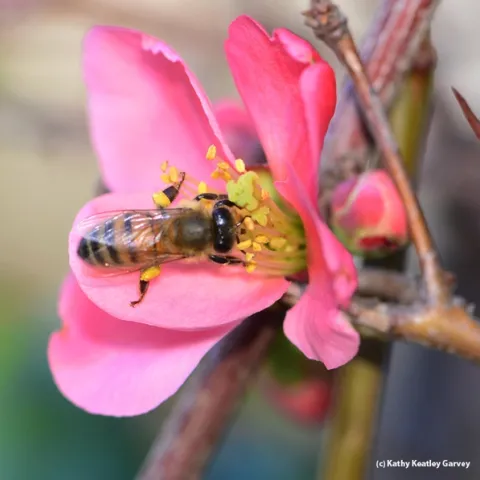
"Can bees have heart attacks?" We know that honey bees work hard. They forage for food within a four-mile range of their hive. They can fly up to 15 miles per hour, and their wings can beat about 200 times per second, or 12,000 beats per minute.
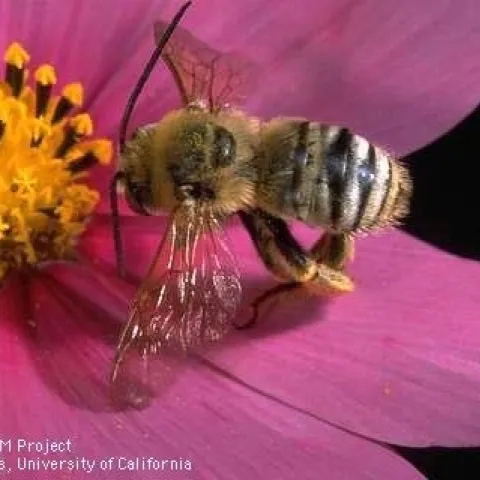
A new publication, "How to Attract and Maintain Pollinators in Your Garden," (Publication 8498) has been added UC Agriculture and Natural Resources (ANR) catalog.
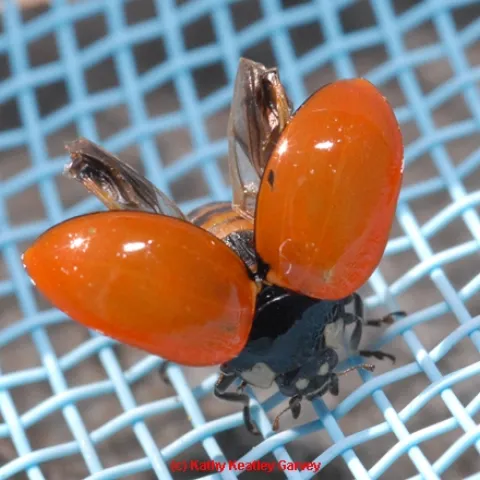
There are lots of blogs out there, but not too many people blog about bugs. Fact is, bugs bug people. Birds bug bugs. Bugs bug bugs. If you've ever seen a praying mantis lying in wait for a bee or a ladybug snatching an aphid, or a dragonfly grabbing a hover fly, you know they do. Bugs bug bugs.
This Slate article talks about the Death Cap mushroom - which is adapting to new hosts and expanding its range - and how to treat cases of Death Cap poisoning: eat milk thistle (Silybum marianum) and drink lots of water.
4-H Families: Just a reminder that the deadline for entry into the Home Ec Review and Presentation Day is this Friday! Forms for each event can be found under the "Forms" tab on the 4-H page. If you have any questions please call the office at 530.458.0570.
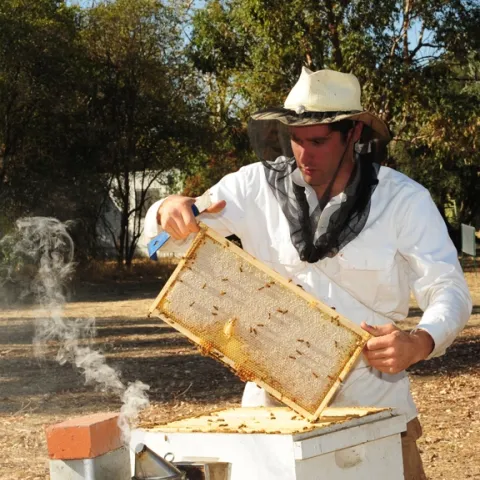
"How do I get started in beekeeping?" This is the time of year when scores of prospective beekeepers contact Extension apiculturist Eric Mussen of the UC Davis Department of Entomology and Nematology for advice on beginning beekeeping.
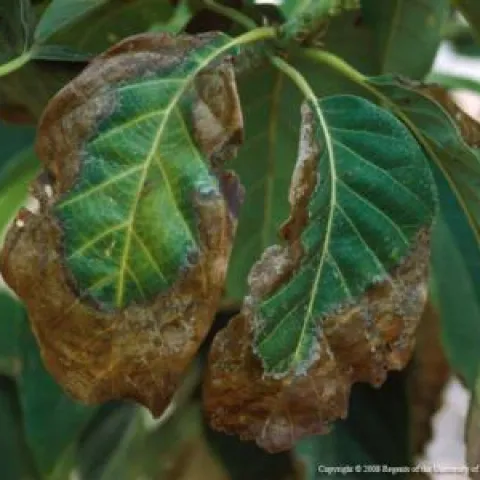
I've been getting calls and have gone out to see several avocado orchards in the Ventura/Santa Barbara area and the comments are that the trees look worse this year than they normally do. When I see the trees, it's clear that they don't look in the best shape.
I am working on a retrospective of remote sensing of forests in California for the centennial. I am trying to highlight some of the pioneering work done by remote sensors that focused on Californian forests from the 1960s through the use of lidar today.
If you want to learn more about pollinators and sustainable gardening, then you should circle March 15 on your calendar and register for the "Pollinator Gardening Workshop, Your Sustainable Backyard.