UC ANR is committed to providing an accessible and inclusive web experience for all users. If you encounter an accessibility barrier or need content in an alternative or remediated accessible format, please contact anraccessibility@ucanr.edu.
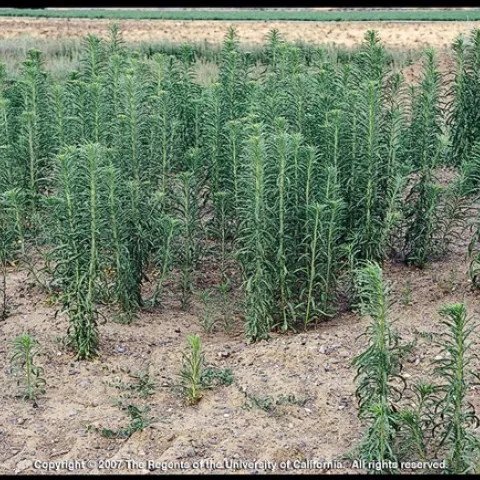
While both horseweed and hairy fleabane have been here since farming began in the region, its only since about 2003 that they have become such an obvious problem, particularly in tree and vine systems and non-crop areas.
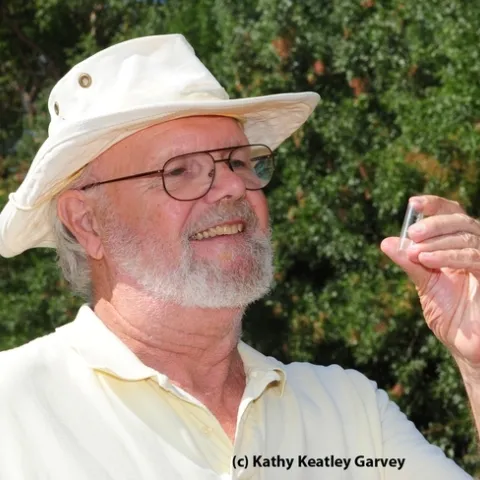
It's good to see that the Xerces Society for Invertebrate Conservation and noted bumble bee expert Robbin Thorp of UC Davis have filed a petition with the U.S. Fish and Wildlife Service for Endangered Species Act protection for the beleagured rusty-patched bumble bee.
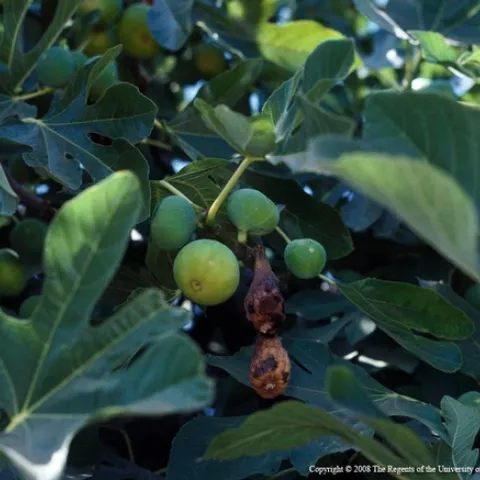
The California fig industry is currently producing on about 16,000 acres. A 2002 Statistical Review published by the California Fig Advisory Board and California Fig Institute at Fresno lists seven cultivars used primarily (although in some cases not exclusively) for dried whole figs and fig paste.
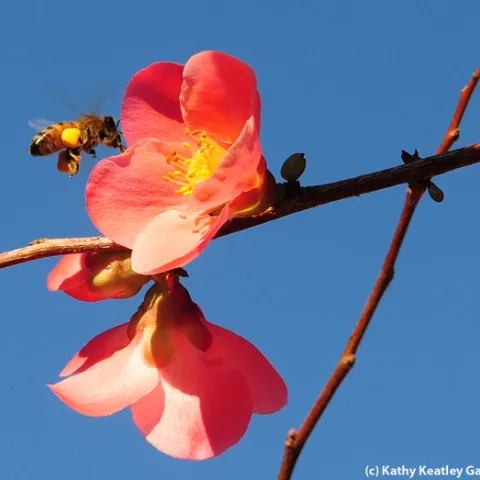
"Where'd that yellow pollen come from?" Beekeepers who watch their bees return to their hives with pollen loads like to guess the origin of the pollen. Red, yellow, blue, white... It's not unlike "What Color Is Your Parachute?" the job-hunting guide by Richard N. Bolles.
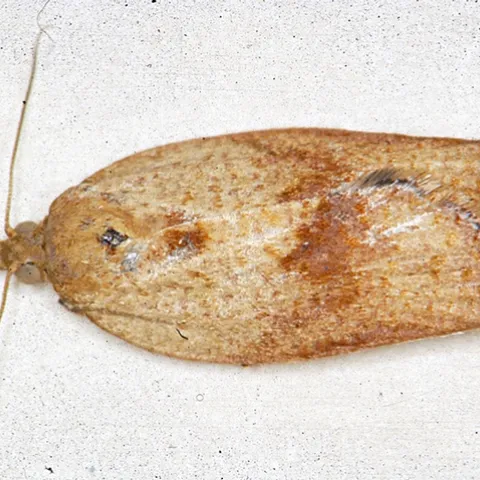
The light brown apple moth (Epiphyas postvittana)--it's not your typical invader. UC Berkeley professor Nick Mills will head to UC Davis on Wednesday, Feb. 20 to speak on just that: "The Light Brown Apple Moth--Not a Typical Invader.
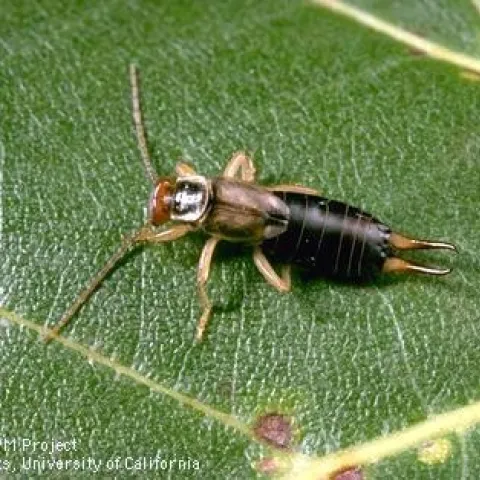
Not too many years ago, most growers and pest control advisors were unaware that earwigs were a potential pest problem in citrus. Earwigs simply were not often found in large numbers in citrus orchards.
Dry root rot has been a problem in citrus orchards for many years. Although generally a problem in coastal and northern California counties it has been reported in other citrus producing areas of the state.
Butte-Glenn Almond Institute & Walnut Day Groundwater Nitrogen Dilemma Bee Careful with Pesticides Almond orchards with wild insects have higher fruit set Nickels Field Day Springtime disease control Almond Fungicide Efficacy South Sacramento Valley Winter Almond Meeting...
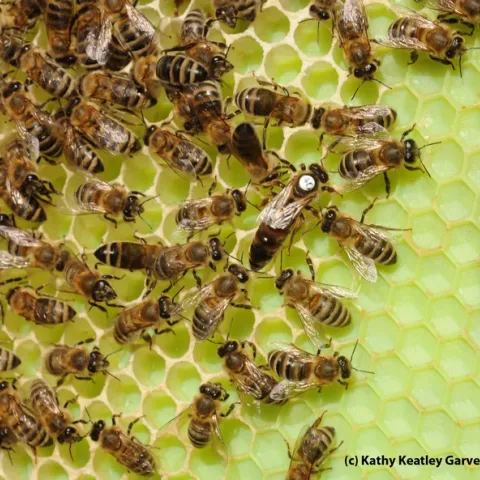
It's nice to remember the honey bee on Valentine's Day. You'll see many Valentine cards inscribed with "Bee My Valentine" and featuring a photo of a bee. Many of those photos depict a queen bee, the mother of all bees in the hive. To be a queen, she'll need to be fed royal jelly as a larva.