UC ANR is committed to providing an accessible and inclusive web experience for all users. If you encounter an accessibility barrier or need content in an alternative or remediated accessible format, please contact anraccessibility@ucanr.edu.
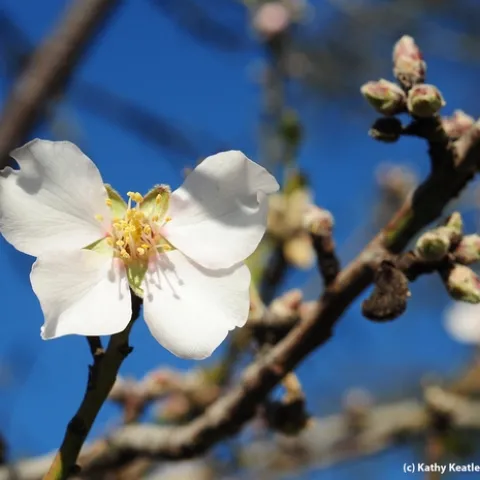
Talk about an early bloomer! At least one almond tree was blooming in California on the first day of the year. In the Benicia State Recreation Area, to be exact. We spotted the almond tree flowering on Jan. 1 near the entrance to the state park.
A quick post today to share a link to the California Weed Science Society Journal. Click here for a direct link to the January 2013 edition of the CWSS Research Update and News.
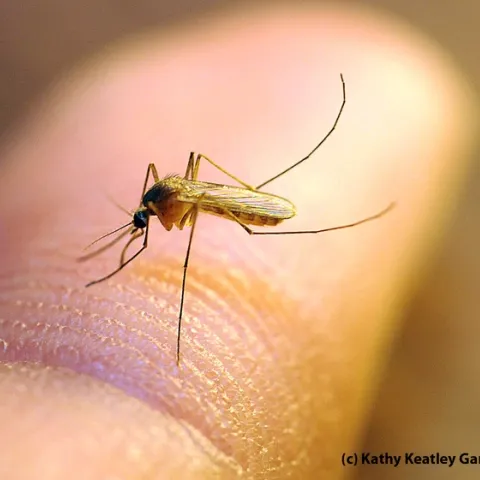
Sometimes we divide insects into "the biggest and the baddest." Such will be the case Sunday, Jan. 13 when the Bohart Museum of Entomology, University of California, Davis, hosts an open house from 1 to 4 p.m., in Room 1124 of the Academic Surge building.
Orchard Notes - by Janine Hasey, Farm Advisor for Colusa/Sutter/Yuba Counties - 2013 Cling Peach Day - Herbicide Chart - Chilling Hours Update - 2013 Walnut Day - Newsletter Renewal was sent to Colusa County mail list also, please get yours turned in so you don't miss out on important information an...
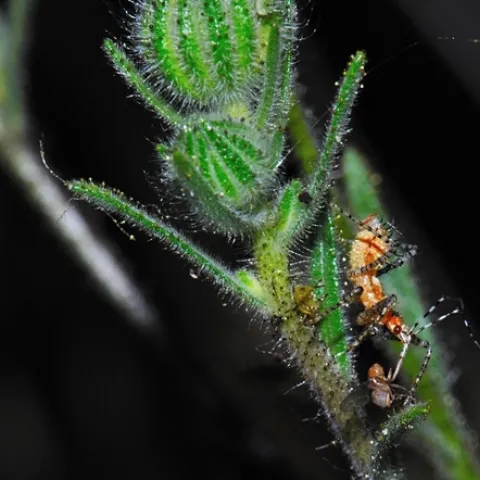
It's a case of a sticky situation benefitting a plant. Or more precisely, dead fruit flies or carrion on a tarweed plant can benefit the plant in more ways that most people would ever think about, say researchers in the UC Davis Department of Entomology.
Along scenic corridors, county roads and state highways of the foothills of the Sierra Nevada mountain range, weedsespecially yellow starthistle and Italian thistleare creating solid stands of invasion that defy control.
The Weed Science Society of America (WSSA) Public Awareness Committee with contributions from WSSA members, released a new fact sheet on weeds. The press release text is pasted the text below (in black) or you can click HERE for the direct link. Click here for a link to the pdf.
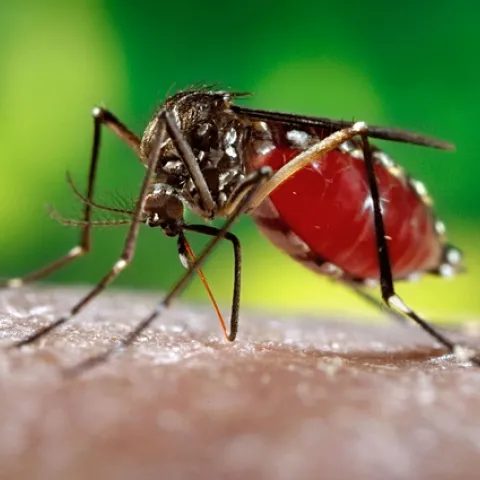
The dengue research news coming out of medical entomologist Thomas Scott's lab at the University of California, Davis, is certainly exciting. And compelling.