UC ANR is committed to providing an accessible and inclusive web experience for all users. If you encounter an accessibility barrier or need content in an alternative or remediated accessible format, please contact anraccessibility@ucanr.edu.
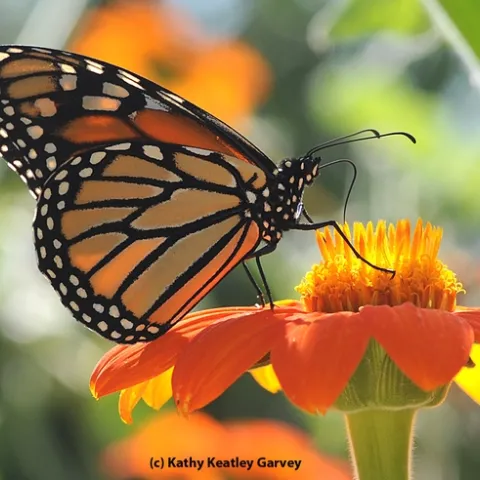
We're accustomed to seeing a solitary monarch butterfly (Danaus plexippus) flitting around a garden. But millions of them? It was interesting to read the National Public Radio piece (Oct. 4) on Flight: A Few Million Little Creatures That Could.
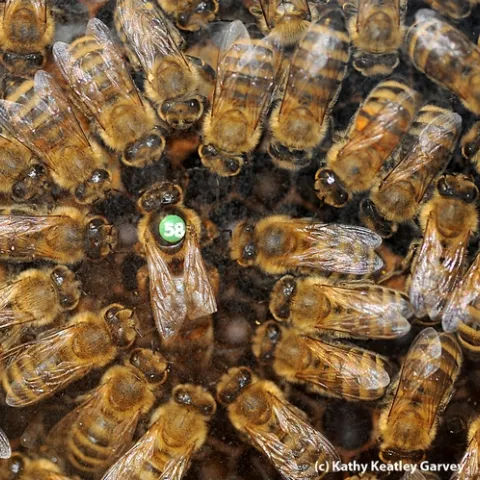
Superorganisms, mimicry and aphids... Those are some of the topics to be covered at the UC Davis Department of Entomology's fall noonhour seminars, to begin Wednesday, Oct. 17 and continue through Wednesday, Nov. 28 in Room 1022 of the Life Sciences Building.
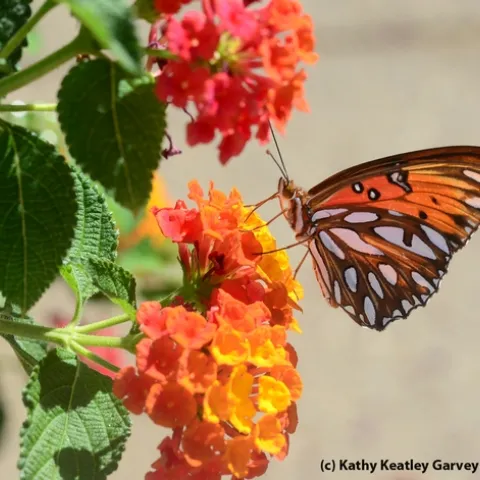
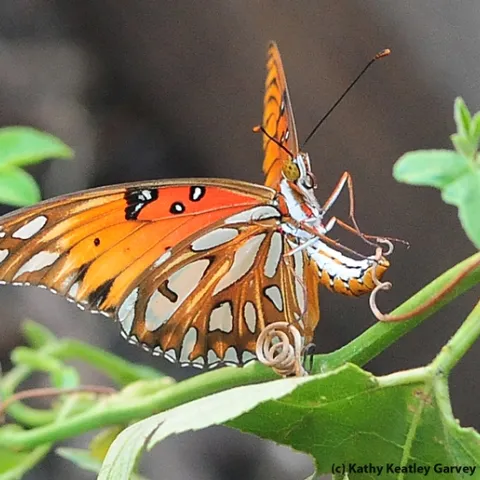
The Gulf Fritillary is as fascinating as it is amazing. The showy reddish-orange butterfly (Agraulis vanillae) is making a comeback in the Sacramento-Davis area. In the early 1970s, it was considered extinct in that area.
Let's talk butterfly eggs. Have you ever seen a Gulf Fritillary butterfly laying an egg in the wild? The Gulf Frit (Agraulis vanillae), one of the showiest of all butterflies, is a flash of orange-red as it flutters toward its host plant (genus Passiflora) to lay its eggs.
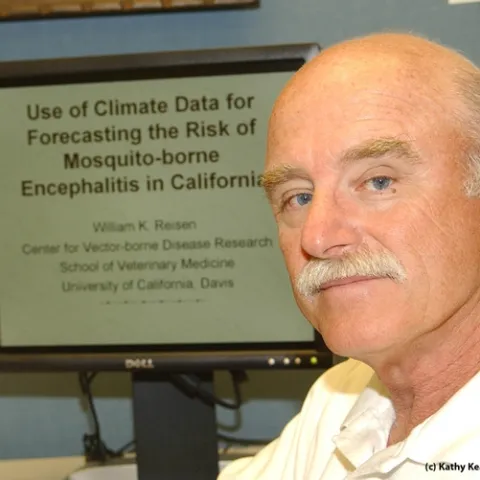
It's good to see UC Davis research entomologist William "Bill" Reisen named the recipient of the coveted Harry Hoogstraal Medal, to be awarded Nov. 11 in Atlanta, Ga. at the 61st annual meeting of the American Society of Tropical Medicine and Hygiene (ASTMH).
In this issue... Trick Or Treat So Others Can Eat, Awards Night, Awards Overlooked at Fair, Volunteers Needed, Social Media, New Leader Trainings, Council Corner and much more.
I most often work with land managers in Southern California and one thing that surprises me is the size of restoration and management projects. One survey of land managers in Orange County found the average size of a restoration treatment is 6 ac.