UC ANR is committed to providing an accessible and inclusive web experience for all users. If you encounter an accessibility barrier or need content in an alternative or remediated accessible format, please contact anraccessibility@ucanr.edu.
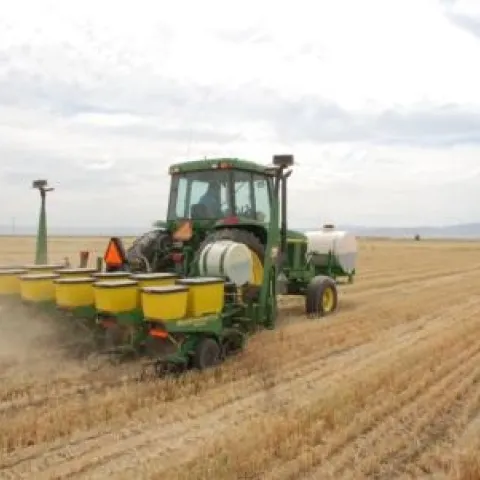
The first segment of the Conservation Agriculture Systems Innovation (CASI) six-part video documentary debuts today on the CASI website. (The video is also posted below.
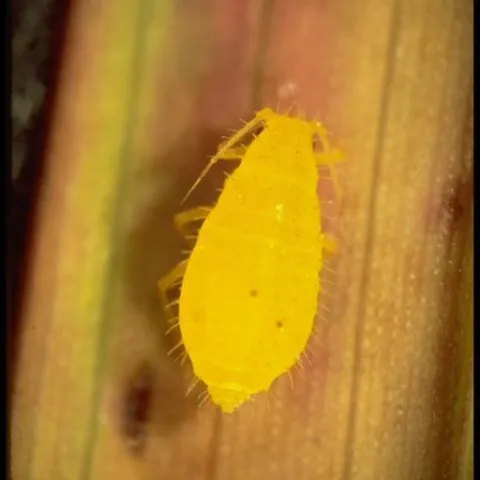
While scouting for blast, a PCA noticed some yellow leaf tips. Close inspection revealed aphids. He got a little worried since he's never seen aphids on rice during his long career. They turned out to be yellow sugarcane aphid.
Sometimes you'll see him sitting cross-legged on the floor, circled by first graders. They're asking questions like "What is an insect?" and "How long do insects live?" and "What do they eat?" Sometimes you'll see him holding Madagascar hissing cockroaches and explaining why they hiss.
Invasive Ambrosia Beetle/Fusarium Complex A Public Meeting You are invited to attend a public meeting about the invasive ambrosia beetle/Fusarium complex that are threatening avocado, oak, sycamore, persimmon, and box elder trees in California.
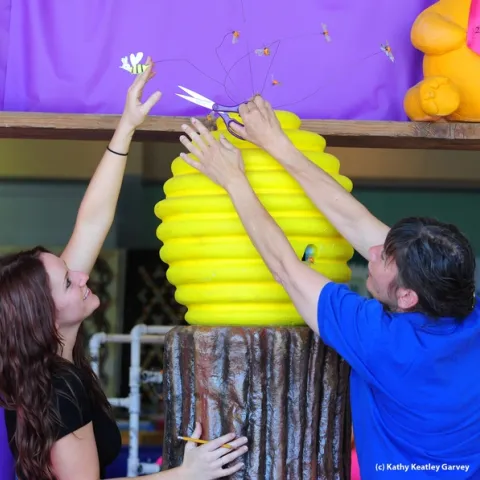
It's good to see county and state fairs focusing on bugs 'n bees. These displays inform, educate and entertain. The California State Fair, Sacramento, traditionally features an Insect Pavilion, which includes exotic and invasive species.
The development of improved cultivation technology for row crop production has been an active area of research, and has made significant progress in recent years. Currently, standard cultivation removes weeds from the majority of the bed using sweeps, knives, coulters and blades.
It was great to see Robert E. Page Jr., emeritus professor and former chair of the UC Davis Department of Entomology, be selected as one of the 10 fellows of the 6000-member Entomological Society of America for 2012.
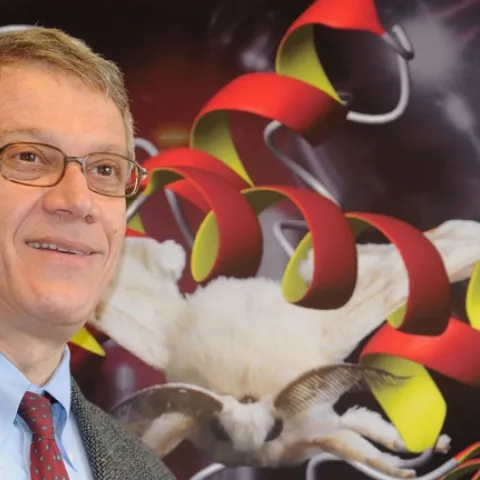
Walter Leal isnt participating in the Olympics, but he medaled just the same. It was not for athletic prowess, but for scholarly achievementsthe scientific equivalent of an international gold medal.
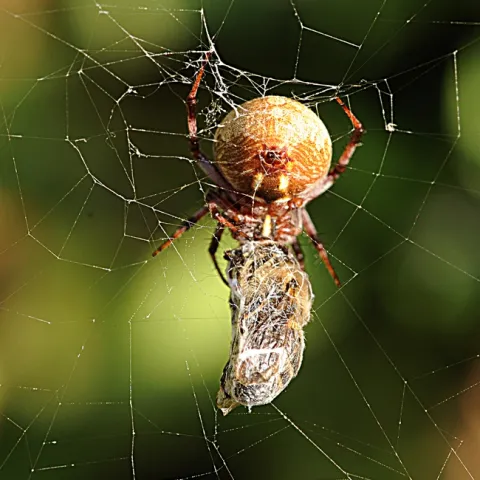
The thing about predators and prey is that it's the nature of things. Take spiders. The many different species have different methods of catching, killing, confining and eating their prey.