UC ANR is committed to providing an accessible and inclusive web experience for all users. If you encounter an accessibility barrier or need content in an alternative or remediated accessible format, please contact anraccessibility@ucanr.edu.
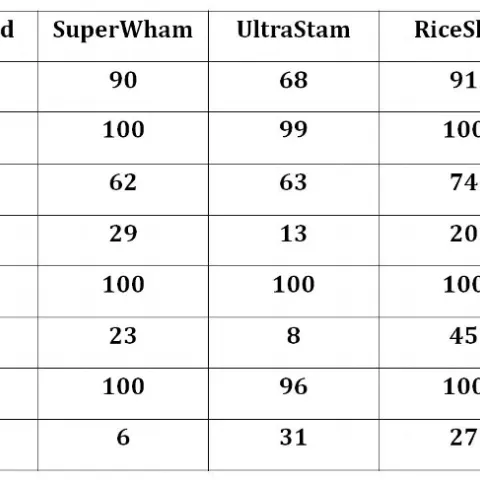
Research conducted by Albert Fischer and James Eckert, Department of Plant Sciences, UC Davis, has confirmed that some populations of smallflower umbrellasedge from rice fields in the Sacramento Valley have become resistant to propanil. Following is a summary of their findings.
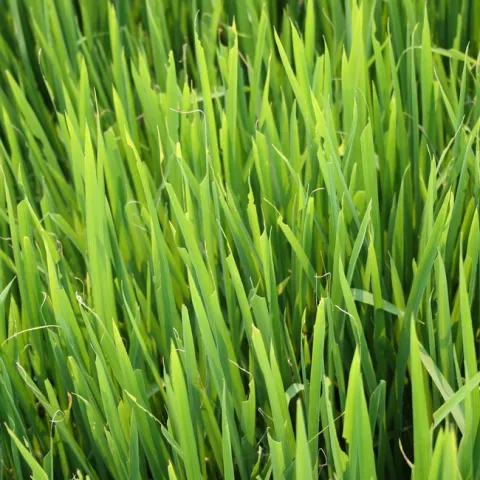
Armyworms are common in rice fields from mid-July to August. Two species can infest rice, the armyworm and the western yellowstriped armyworm. These insects build up their populations in alfalfa, other grains and grasses, and invade rice late in the season.
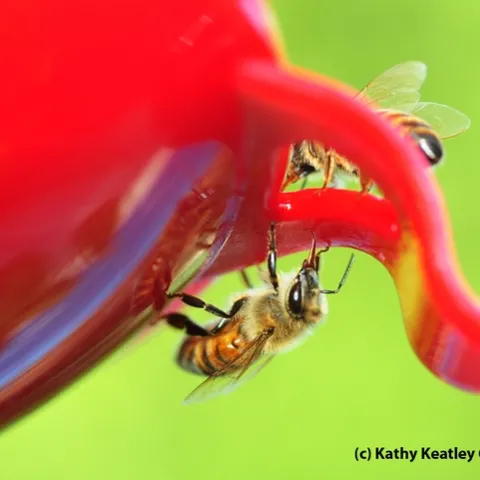
If your hummingbird feeders are filled with that oh-so-tantalizing sweet sugary syrup, you may be attracting not only hummers, but honey bees, too. In fact, the bees may be crowding out the hummers.
For the past 12 years, county-based Weed Management Areas (WMA) have organized and collaborated to detect, map and treat invasive weeds around the state.
Last Thursday (July 19th) was the 56th annual UC Weed Day at the Davis campus. We had a really good turnout again this year with just under 150 participants including weed science researchers, students, farmers, land managers, pest consultants, and government agency people in attendance.
It's a native bee. It's a pollinator. And it's a leafcutter. This morning we admired this female leafcutter bee, Megachile fidelis, as identified by native pollinator specialist Robbin Thorp, emeritus professor of entomology at the University of California, Davis.
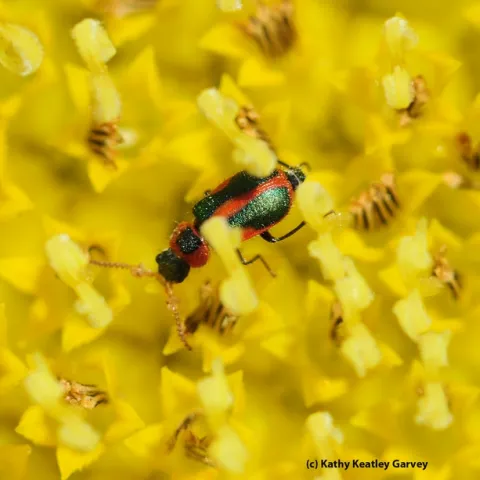
So you're walking through a sunflower field and you're seeing lots of honey bees foraging on the flowers. But wait, look over there. Are those beetles? They are. Melyrid or blister beetles (Melyridae family) and spotted cucumber beetles (family Chrysomelidae) are frequently found on sunflowers.
Up until today, I hadn't seen any blast in the area, but I got a couple of calls today of growers having to put a fungicide because of blast. We'll see if this year blast will be as bad as the past two years.
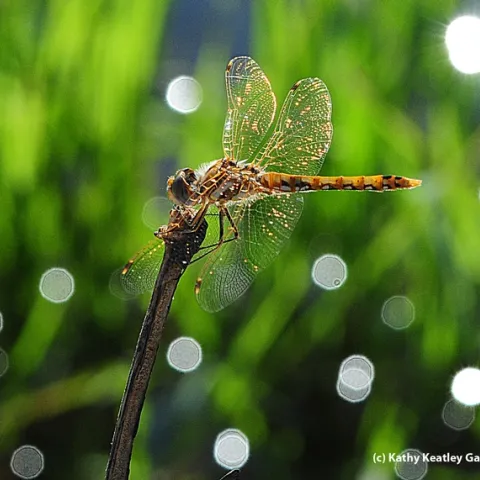
If you're around creeks, ponds and irrigation ditches, watch for the dragonflies. We spotted scores of variegated meadowhawks (Sympetrum corruptum) last Sunday along an irrigation ditch bordering a sunflower field in Winters, Calif.