UC ANR is committed to providing an accessible and inclusive web experience for all users. If you encounter an accessibility barrier or need content in an alternative or remediated accessible format, please contact anraccessibility@ucanr.edu.
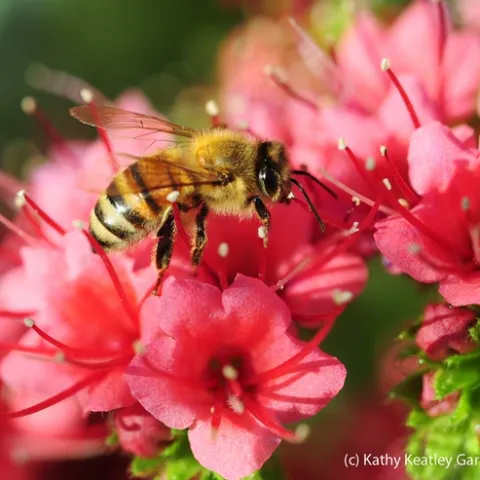
If you're growing a tower of jewels (Echium wildpretii) in your yard, you won't need a stop sign or a traffic light to encourage vehicles to slow down--they will automatically when they see this spectacular plant. it's a traffic stopper.
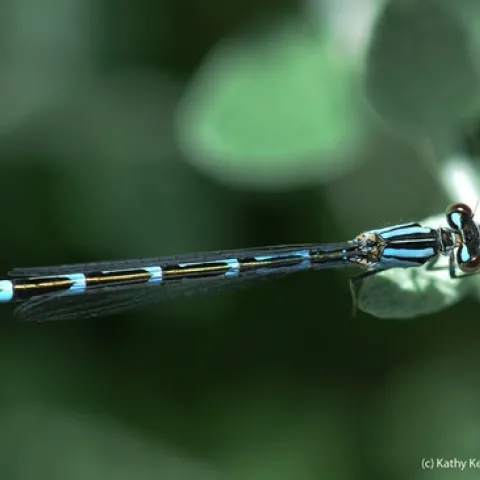
Sometimes it's like trying to find a needle in a haystack. The common blue damselfly or Northern Bluet (Enallagma cyathigerum) is long and slender like a needle, but a jeweled blue needle.
In this issue... All-Star Project Grand Opening, Regional Field Day, Food Faire/Fashion Revue Wrap Up, County Presentation Day Results, Record Book Workshop, and much more.
Follow-up to Lynn Sosnoskie's 3/6/2012 UC Weed Science blog entry (http://ucanr.org/blogs/blogcore/postdetail.cfm?postnum=6967) Here's the NPR story "Farmers Face Tough Choice On Ways To Fight New Strains Of Weeds" (http://www.npr.
Nature's Gallery is absolutely spectacular. You may remember hearing about the UC Davis Art/Science Fusion Program project when it was displayed in the U.S. Botanic Garden in Washington, D.C. in the summer of 2007. Nature's Gallery drew raves then and it's drawing raves now.
Abstract: Farmers view weed management and the risk of lower yields as barriers to transition from conventional to organic agriculture. The 3 years of transition before organic certification can be used to implement strategies to suppress weeds and improve soil fertility.
This a link to an article in Western Farm Press about herbicide resistance in almond orchards. The article is a synopsis that Bob Curtis wrote about a presentation I made as part of a "What's new in Almond Pest Management" along with Drs.