UC ANR is committed to providing an accessible and inclusive web experience for all users. If you encounter an accessibility barrier or need content in an alternative or remediated accessible format, please contact anraccessibility@ucanr.edu.
The neonicotinoid pesticides are creating quite a buzz in the bee world. Research published this week in the Science journal zeroed in on the effects of the neonics on honey bees and bumble bees.
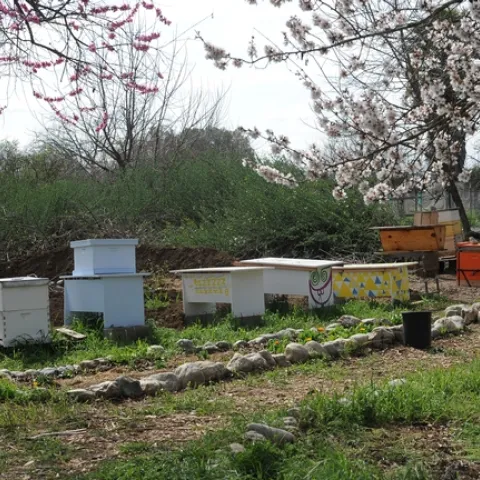
"The rain in Spain falls mainly in the plains, according to a signature song in the musical, My Fair Lady. Dont tell that to Derek Downey, who has been trying to schedule the grand opening of the Davis Bee Sanctuary now for the past two weeks.
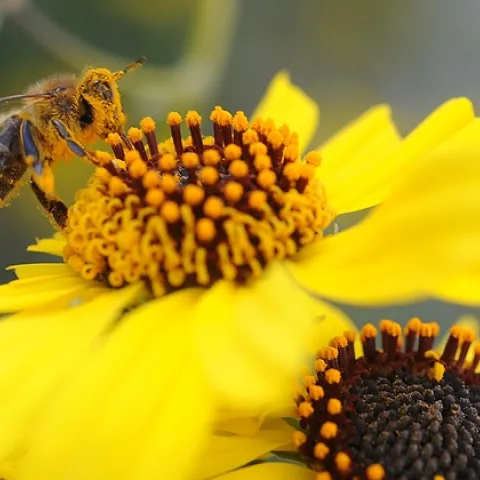
Those attending the California Center for Urban Horticulture (CCUH) public workshop on "Your Sustainable Backyard: Pollinator Gardening" on Saturday, April 28 at the University of California, Davis, will, no doubt, leave with a better understanding of how we can all do our part to support healthy be...
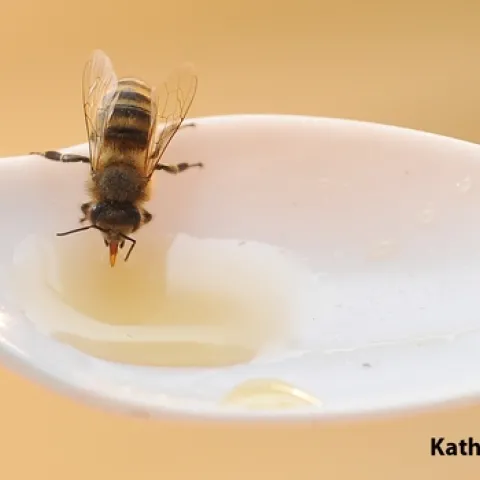
Honey! Today at the Harry H. Laidlaw Jr. Honey Bee Research Facility at the University of California, Davis, we borrowed a plastic spoon and offered a taste of honey to newly emerged honey bees. It was their sisters' making and now it was theirs. And soon, they will be making their own.
Previously in this blog Brad Hanson discussed some of the research Kent Brittan (UCCE Yolo) and I have done with Roundup Ready canola as a crop and then evaluating it as a weed because of its seed dormancy characteristics.
At the entrance, the recent California Agriculture Day celebration on the west lawn of the State Capitol looked like the land of milk and honey. The first booth, operated by the Dairy Council of California, handed out milk.
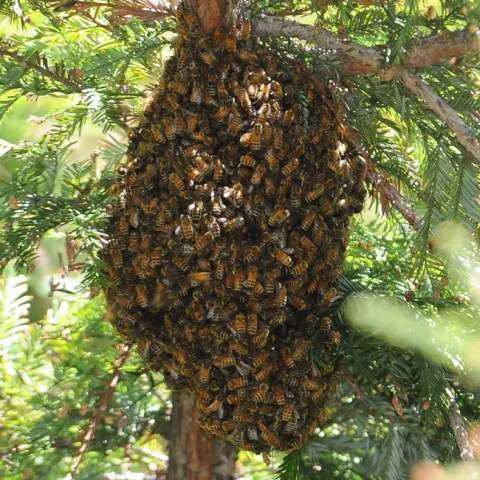
Bee swarms are absolutely fascinating. Several years ago, when bee breeder-geneticist Susan Cobey was teaching a queen- rearing class at the Harry H. Laidlaw Jr. Honey Bee Research Facility at UC Davis, her students received an extra bonus: they witnessed a bee swarm.