UC ANR is committed to providing an accessible and inclusive web experience for all users. If you encounter an accessibility barrier or need content in an alternative or remediated accessible format, please contact anraccessibility@ucanr.edu.
I'm often asked the question: "Who is to blame for the development and spread of herbicide resistance in weeds?" Seeing as I am neither a lawyer nor a politician, I am not in the habit of pointing fingers and laying blame.
Weeds are often the most problematic to manage in and around agricultural fields. Yellow and purple nutsedge are difficult to manage and it seems brings an additional pest of concern.
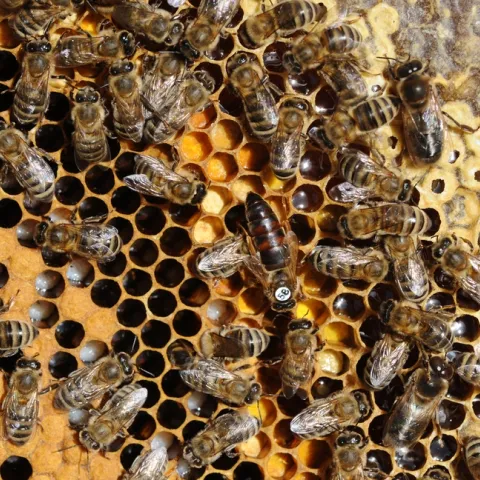
What a remarkable project a biologist launched in Kenya involving honey bees. It all began with farmers complaining that migratory elephants were raiding their crops and destroying their livelihood.
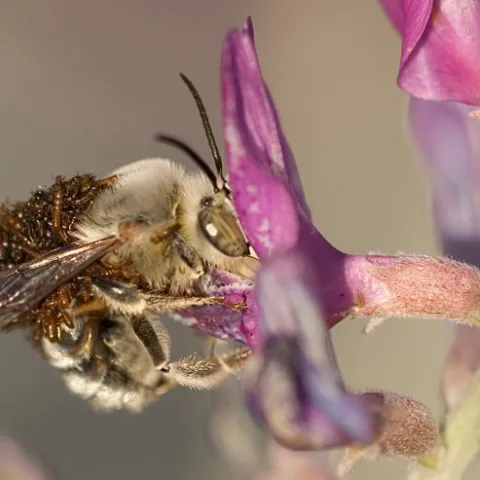
Phoresy! If that word is not in your everyday vocabulary, just think of a symbiotic relationship where one organism transports another organism of a different species for the benefit of both.
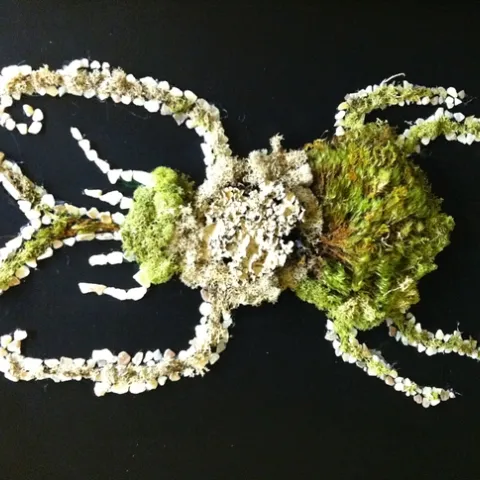
It's top secret as to what's in those drawers. And they're not letting the secret out until Saturday, Dec. 3. What it is: the UC Davis Art/Science Fusion Program will sponsor a "Cabinets of Curiosity" scientific art show on Saturday, Dec. 3 in Davis.
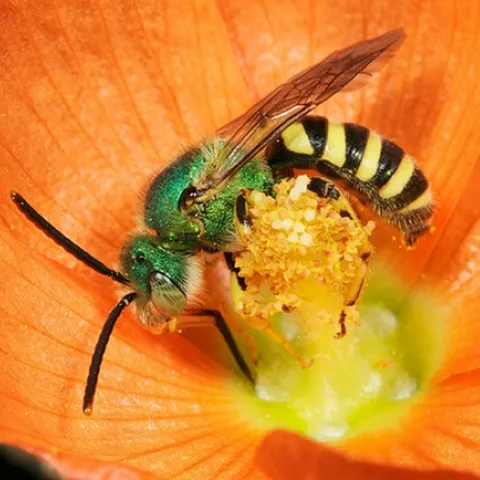
It's not your average garden variety calendar. It's absolutely bee-utiful. Native bees reign supreme in Garden Variety Native Bees of North America, a calendar produced by University of California alumni as a benefit for two non-profit organizations.
My calendar says November but the weeds in my garden think its spring. That nice rain last month followed by warm, sunny days has prompted them to grow like, well, weeds and thats not good news for my winter crops.
Fevers from the forest... Dengue is one of them. Dengue, transmitted by the daybiting Aedes aegypti mosquito, globally infects 50 to 100 million people yearly, according to dengue expert Tom Scott, professor of entomology at UC Davis. At risk are some 2.
Gotta love that Bug Girl. Oh, sure, there are lots of bug girls and bug boys out there--bug women, bug men and real insects, too--but there's only one Bug Girl. She's the one who writes that witty/informative/tell-it-like-it-is-not-what-you-want-it-to-be bug blog called...drum roll...Bug Girl.