UC ANR is committed to providing an accessible and inclusive web experience for all users. If you encounter an accessibility barrier or need content in an alternative or remediated accessible format, please contact anraccessibility@ucanr.edu.
"How are the bees doing?" That's the question beekeepers are asked all year. Well, today the annual survey conducted by the U.S. Department of Agriculture (USDA) and the Apiary Inspectors of America (AIA) answered that question. The response? Roughly the same.
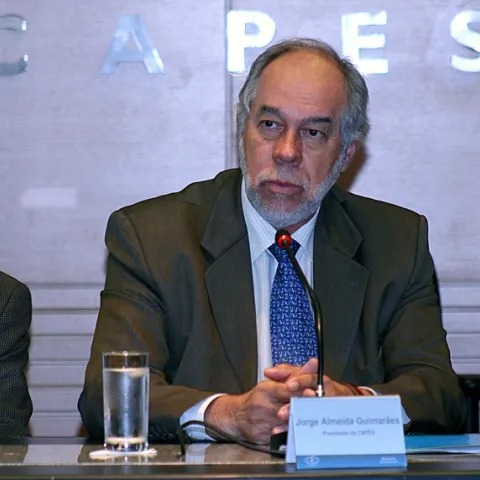
A touch of Brazil and a desire to exchange science and technology... That's what will happen on the UC Davis campus Monday, May 23 when a distinguished Brazilian scientist meets with UC Davis officials and the Brazilian consulate of San Francisco.
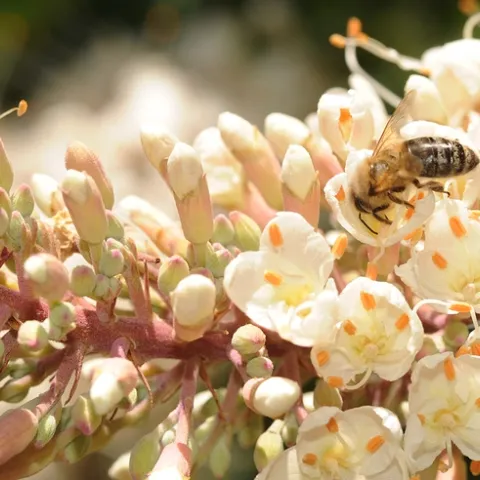
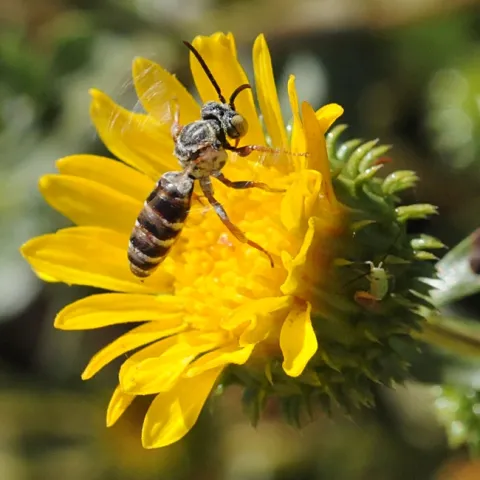
They're definitely attracted to it. Honey bees forage furiously on the California buckeye (Aesculus californica). It's not a good bee plant, though. It's poisonous.
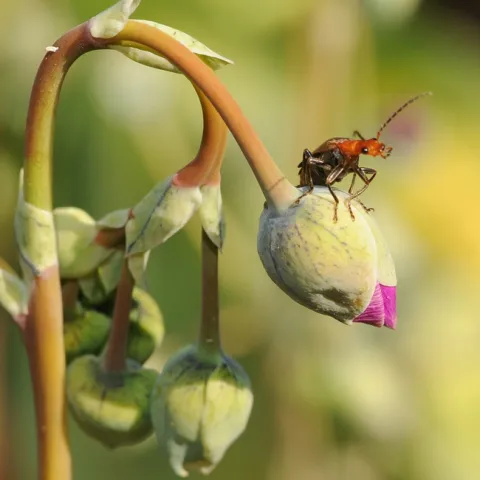
Gotta love those soldier beetles. They're among the good guys in the garden because they eat aphids and other soft-bodied insects. We've seen them on the lavender, on our nectarine tree and on our plum tree.
Register now for Weed Science School 2011 Aug. 30-Sept. 1, 2011 :: UC Davis Visit http://wric.ucdavis.edu and click on Weed Science School Weed Day 2011 July 14, 2011 :: UC Davis Visit http://wric.ucdavis.edu and click on Weed Day Be a Weed Day sponsor (click here.
Let's hear it for the hedgerows. Picture native plants, shrub and ground cover bordering agricultural fields and providing habitat for native bees and other pollinators. Not just bed and breakfast, but bed, breakfast, lunch and dinner. And snacks in between.
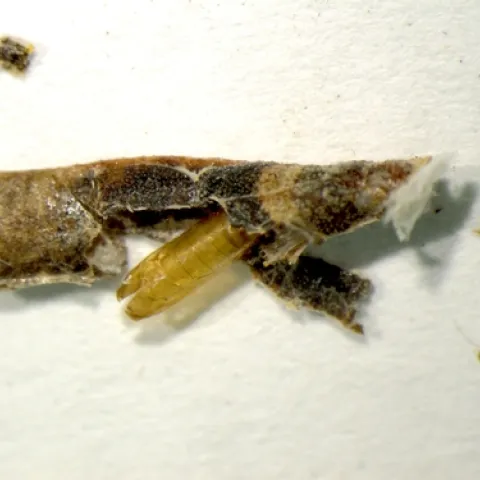
Manzanita leaves showing blotch mines and cases made by Coleophora sp. (Photo by: Surendra Dara) Manzanita (Arctostaphylos sp.) leaf samples that were recently brought from the San Luis Obispo area appear to have casebearer infestation.