UC ANR is committed to providing an accessible and inclusive web experience for all users. If you encounter an accessibility barrier or need content in an alternative or remediated accessible format, please contact anraccessibility@ucanr.edu.
2010 rice variety trials results - How much phosphorus should you apply? - New UC Rice Blog - Rice Winter Meetings and Rice Production Workshop presentations available on-line - Contributions of California rice farmers to the economy - New UC ANR publications.
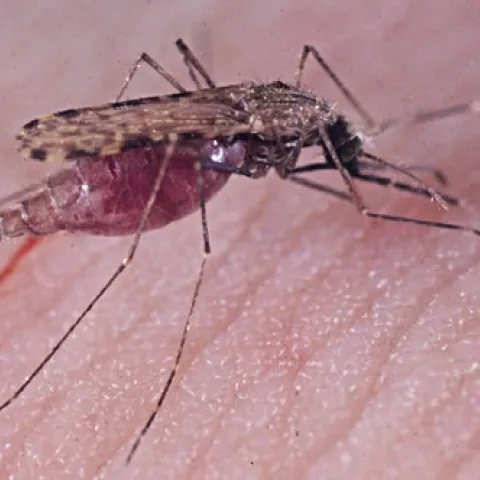
Mark your calendars for a sobering experience. The University of California,Davis, will observe World Malaria Day with a daylong retreat showcasing UC Davis scientists current research in vector biology and genetics. The event, free and open to the public, will take place from 9 a.m. to 4 p.m.
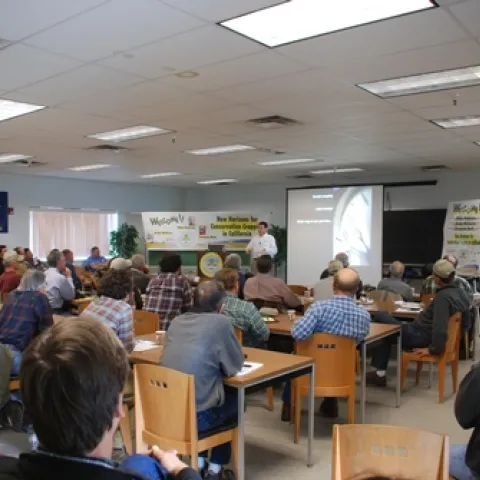
By Jeff Mitchell Whether its called high residue farming or conservation agriculture, theres very little of it currently done in California. For decades, the dominant production paradigm throughout California has been just the opposite - intense tillage, clean cultivation and residue-free fields.
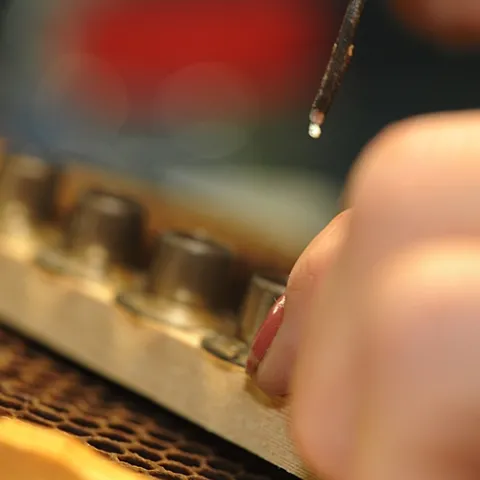
One of the highlights of Susan Cobey's class on "The Art of Queen Bee Rearing" is a visit to commercial queen bee breeders in Northern California. Cobey is a bee breeder-geneticist at the Harry H. Laidlaw Jr. Honey Bee Research Facility at UC Davis, and Washington State University.
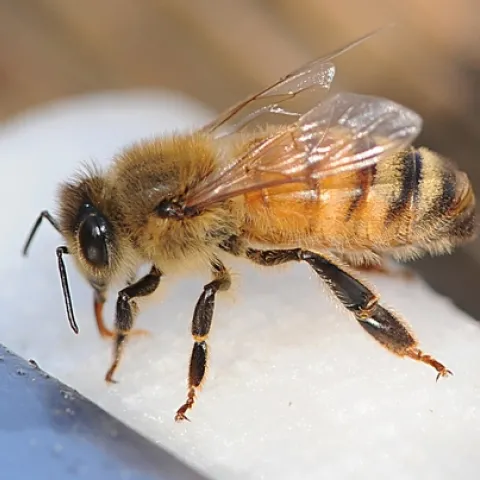
Diners know that a napkin serves a good purpose: touch the lips with it or protect the lap. Well, honey bees occasionally use a napkin, too. A recent sun break--blue skies, 70-degree temperatures, no rain--resulted in honey bees foraging for water on a rain-soaked napkin on the patio.