UC ANR is committed to providing an accessible and inclusive web experience for all users. If you encounter an accessibility barrier or need content in an alternative or remediated accessible format, please contact anraccessibility@ucanr.edu.
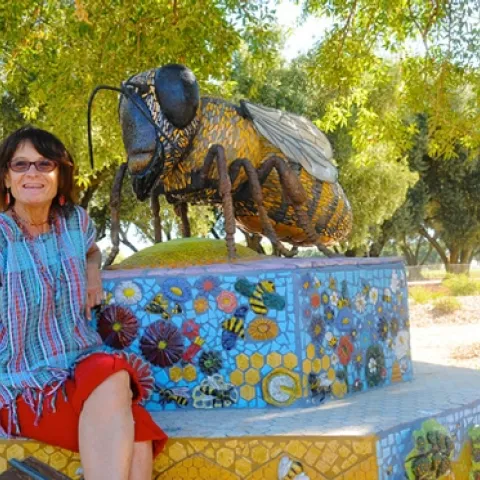
Honey is sticky. Bees are in a sticky situation. Now enter "Sticky Business: Art of the Honey Bee." It's an art show about honey bees that will run from Tuesday, Nov. 23 from Thursday, Dec. 23 in the Pence Art Gallery, 212 D St., Davis.
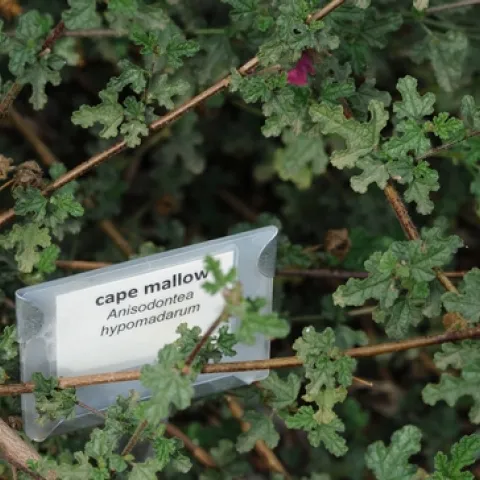
One of the spectacular plants blooming in the Hagen-Dazs Honey Bee Haven, the half-acre bee friendly garden at the University of California, Davis, is the cape mallow (Anisodontea hypomandarum), a native of South Africa.
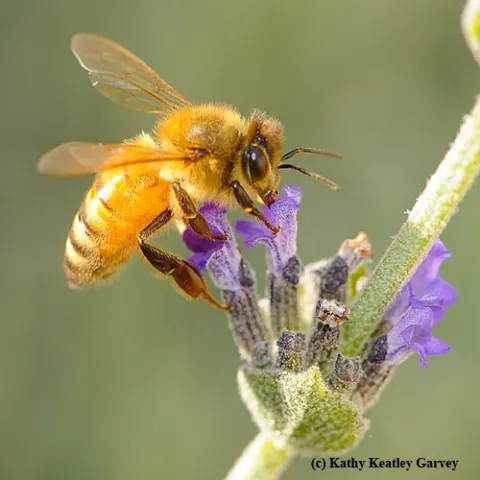
Ever see a golden bee that takes your breath away? They're most likely Cordovans, a subspecies of the Italian race. The one below is a Cordovan, basically a bee with a color mutation that inhibits black, explains noted bee breeder-geneticist Susan Cobey.
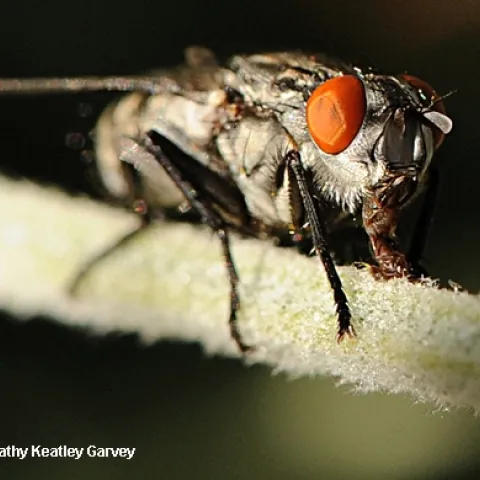
The first thing you notice about the fly is its brilliant red eyes. They stand out like the proverbial elephant in the room. But they are on a fly--a flesh fly.
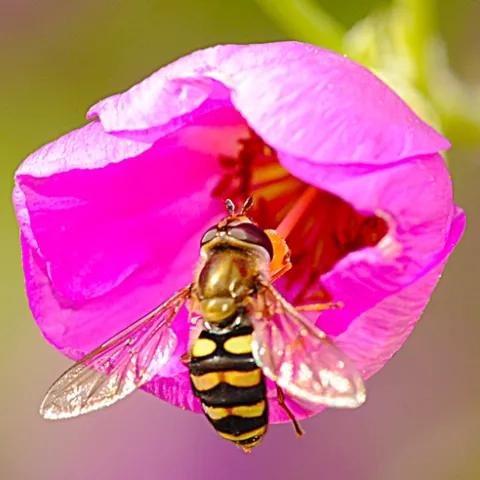
Aren't syrphid flies grand? Syrphid flies, aka hover flies or flower flies (family Syrphidae), are especially grand in a Calandrinia grandiflora, aka rock purslane.
Recently I was reminded that there is no more important fundamental to weed control than being able to identify your weed problem. This summer, I moved to a different house and have slowly been working on little projects that arise.
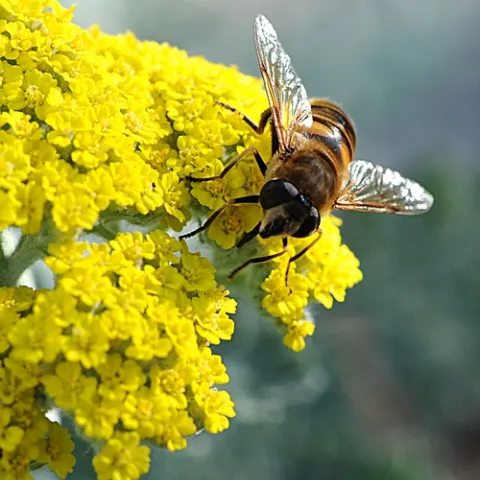
Yarrow, yarrow, yarrow. Drone fly, drone fly, drone fly. This little insect is often mistaken for a honey bee. In the adult stage, both the drone fly and honey bee nectar flowers. However, the drone fly is a syrphid fly (family Syrphidae, subfamily Eristalinae, tribe Eristalini, genus, Eristalis).
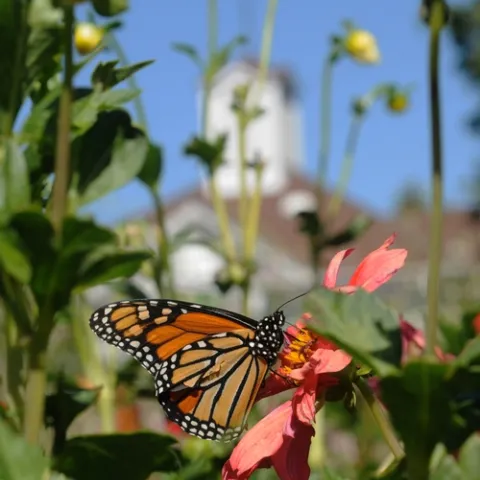
It's an amazing migratory feat. "One generation of monarch butterflies flutters some 2000 miles between southern Canada and central Mexico," writes LiveScience senior writer Wynne Parry in her piece, "Life's Little Mysteries" posted Nov. 4 on the LiveScience website.
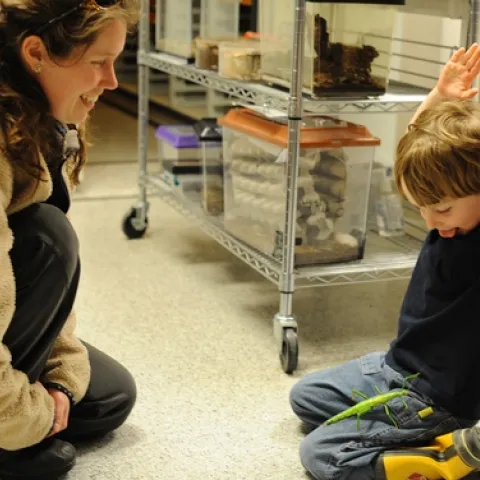
If youre into bugs, the Bohart Museum of Entomology on the UC Davis campus has plenty of them. Butterflies? Check. Dragonflies? Check. Native bees? Check.