UC ANR is committed to providing an accessible and inclusive web experience for all users. If you encounter an accessibility barrier or need content in an alternative or remediated accessible format, please contact anraccessibility@ucanr.edu.
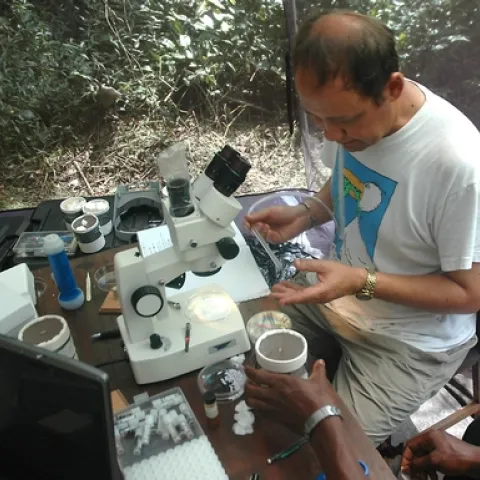
It was a major milestone, sequencing the genome of Culex quinquefasciatus, the so-called southern house mosquito. The research, spearheaded by UC Riverside geneticists and published in the Oct. 1, 2010 edition of Science, involved scientists from 37 other institutions.
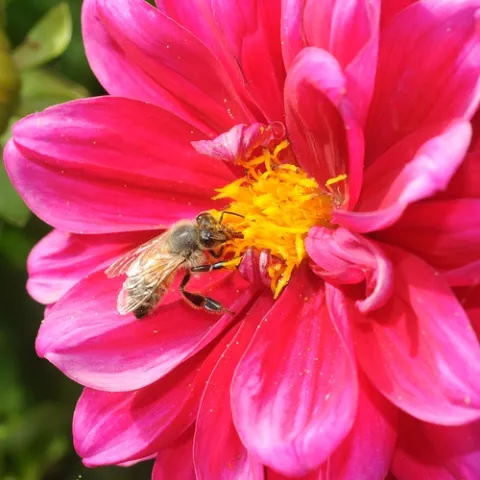
Honey bees foraging on zinnias? Yes. It's not considered a "bee plant" like the salvias, lavenders and mints, but bees do forage on it occasionally. The genus, from the aster family (Asteraceae), derives its name from the German botanist, Johann Gottfried Zinn.
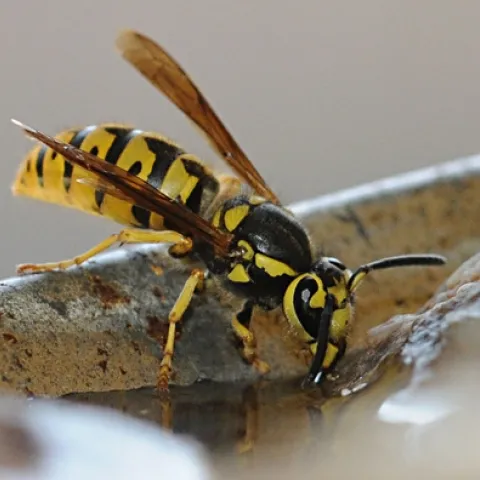
So you're planning a big barbecue, a garden party or a wedding reception. You want to make sure that Mr. and Mrs. Yellowjacket and all their offspring--plus nephews, nieces, uncles, aunts, cousins and assorted other relatives--aren't on the invite list.
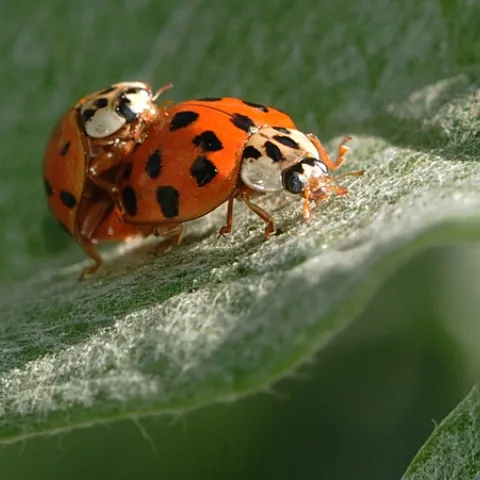
What the world needs now is "love, sweet love" and...more ladybugs. Ladybeetles are our friends. They gobble up aphids and other pests in our garden, and then look around for more. They have insatiable appetites.
The Conservation Tillage and Cropping Systems Workgroup has launched a new radio podcast to provide farmers information about adopting conservation tillage techniques at their operations.
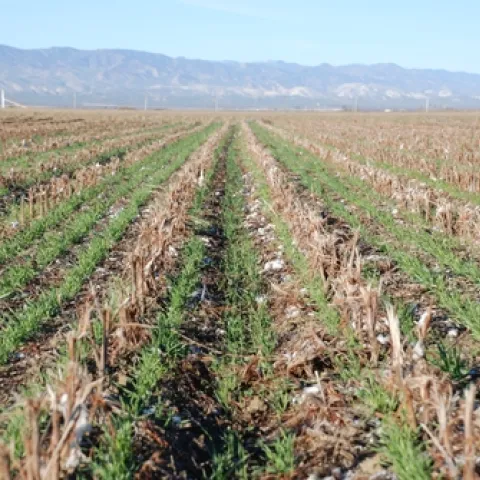
After 10 years of experimentation, researchers at the University of Californias Westside Research and Extension Center in Five Points, Calif. have worked out a number of the kinks in conservation tillage (CT) practices for cotton and tomato rotations.
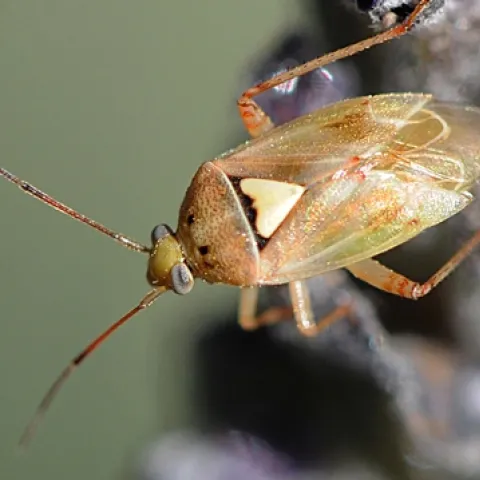
Frances Sivakoff knows a lygus bug when she sees one. Sivakoff (right), a doctoral candidate in the UC Davis Department of Entomology, won a 2010 Robert and Peggy van den Bosch Memorial Scholarship for her work on the regional movement of the pest.