UC ANR is committed to providing an accessible and inclusive web experience for all users. If you encounter an accessibility barrier or need content in an alternative or remediated accessible format, please contact anraccessibility@ucanr.edu.
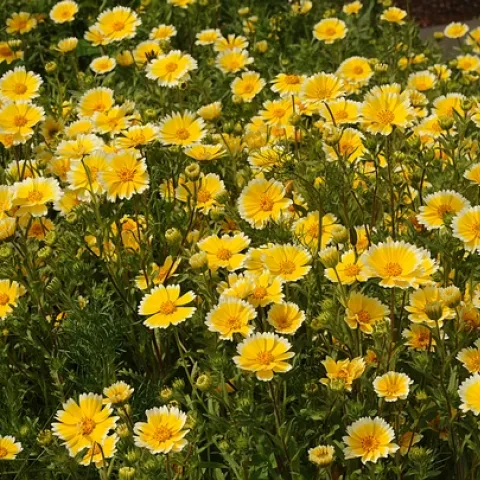
If you see a patch of California native wildflowers known as "Tidy Tips," look closely. The yellow daisylike flower with white petals (Layia platyglossa) may yield a surprise visitor. You may see an assassin. An assassin bug.
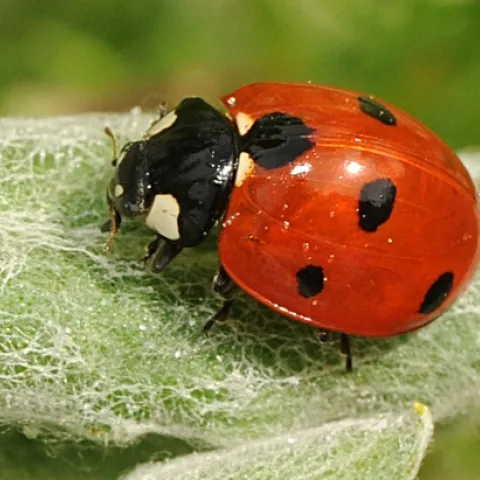
The hunters are back. Ladybugs, aka ladybird beetles, are searching for aphids and other soft-bodied insects. If you see a ladybug (family Coccinellidae), odds are you'll see her prey, the plant-sucking aphids.
It's a killer, pure and simple. But the issue is as complex as it comes. The malaria mosquito, from the genus Anopheles, infects some 350 to 500 million people a year, killing more than a million. Most are young children in sub-Saharan Africa.
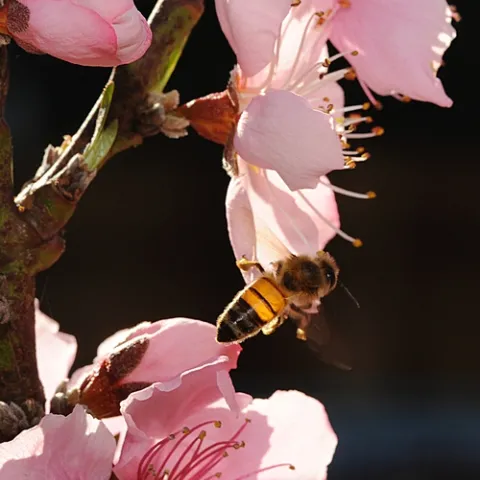
If you've ever strolled the streets of New York, you probably noticed a few honey bees here and there. Not the HIVES (they're illegal), but the BEES. Tomorrow, the New York Department of Health and Mental Hygiene will vote on whether city residents can keep bees in the Big Apple.
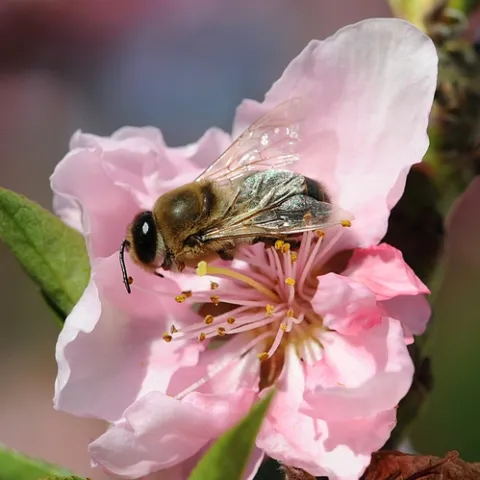
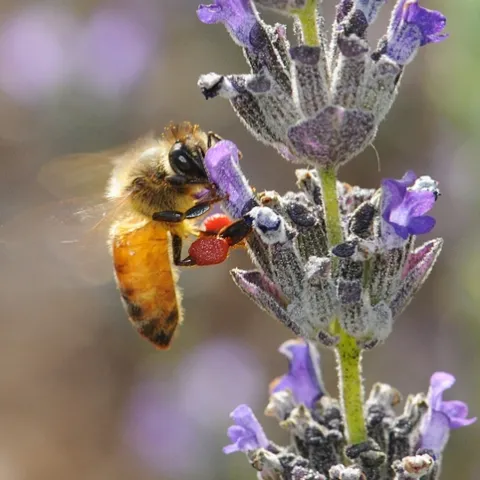
Take a close look. What's wrong with the first photo posted below this blog? If you're a beekeeper or someone who's been around bees, you'll know immediately. If not, you may look at the photo and say "Hmm, a honey bee. Yep, it's a honey bee, all right. It's on a what...
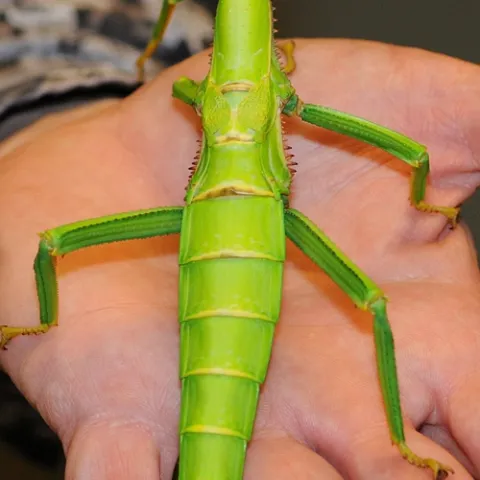
What has six legs and is green all over? If you think like an entomologist, that's easy. Walking sticks, walking leaves, mantids, crickets and grasshoppers...
First question: Concerned about the declining bee population and deteriorating bee health? Second question: Like to paint, draw, sculpt or photograph honey bees? Or craft bee jewelry? Or use another art medium?
William C. Reeves (1916-2004) would have been proud. Remember William "Bill" Reeves? A renowned entomologist, professor and dean at UC Berkeley, he was widely regarded as the world's foremost authority on the spread and control of mosquito-borne diseases.
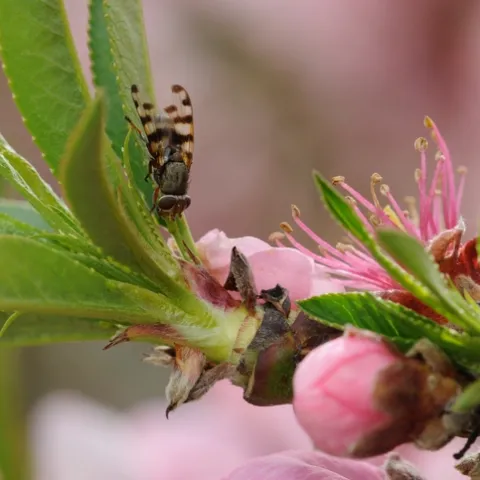
Honey bees, bumble bees, hover flies, parasitoids and common houseflies aren't the only visitors paying their respects to our two nectarine trees. A picture-winged fly (Ceroxys latiusculus) dropped in on Feb. 28 for a quick visit.